Blog

Art on the Plant

One of my favorite eye-candy sites (non-gardening) is EnglishRussia (‘Because something cool happens daily on 1/6 of the Earth’s surface”). I have a creepy affinity for all things former-Soviet and Eastern European. And this photo gallery, Art on the Plant, really struck a chord.
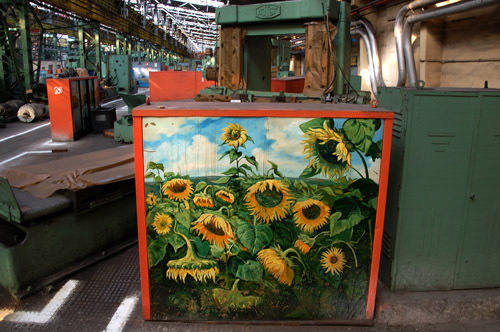
art of the plant from english russia

And I love the broken-English (much better than my Russian, for sure) descriptions:

This is the biggest Ural plant “URALMASH”, in order to build it they destroyed thousand of square miles of virgin thousand years old aged forests 60 years ago. It was working thru all the Soviet era and then during the capitalistic phase of modern Russian economy too, but now because of the world’s crisis it has been stopped. Now the rooms of the plant stand still and some artist has completed the nature paintings on the lockers around the plant so that it looks even more creepy now.

But this is still my favorite piece of Soviet arcana …

The soft power of flowers

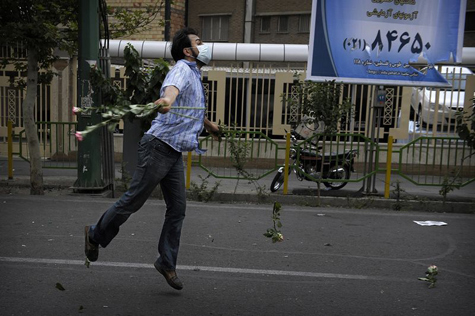
Over the weekend, I passed along a link to this picture from the streets of Iran to my buddy Julie over at The Human Flower Project, hoping that she’d write something about it. It reminded me of other iconic images from the ’60s and this work by London graffitti artist Banksy.

flower power

Instead, Julie asked me to write a little something. You can read it here.

Thanks for the nudge Julie.

Garden blogger bloom day scans for June

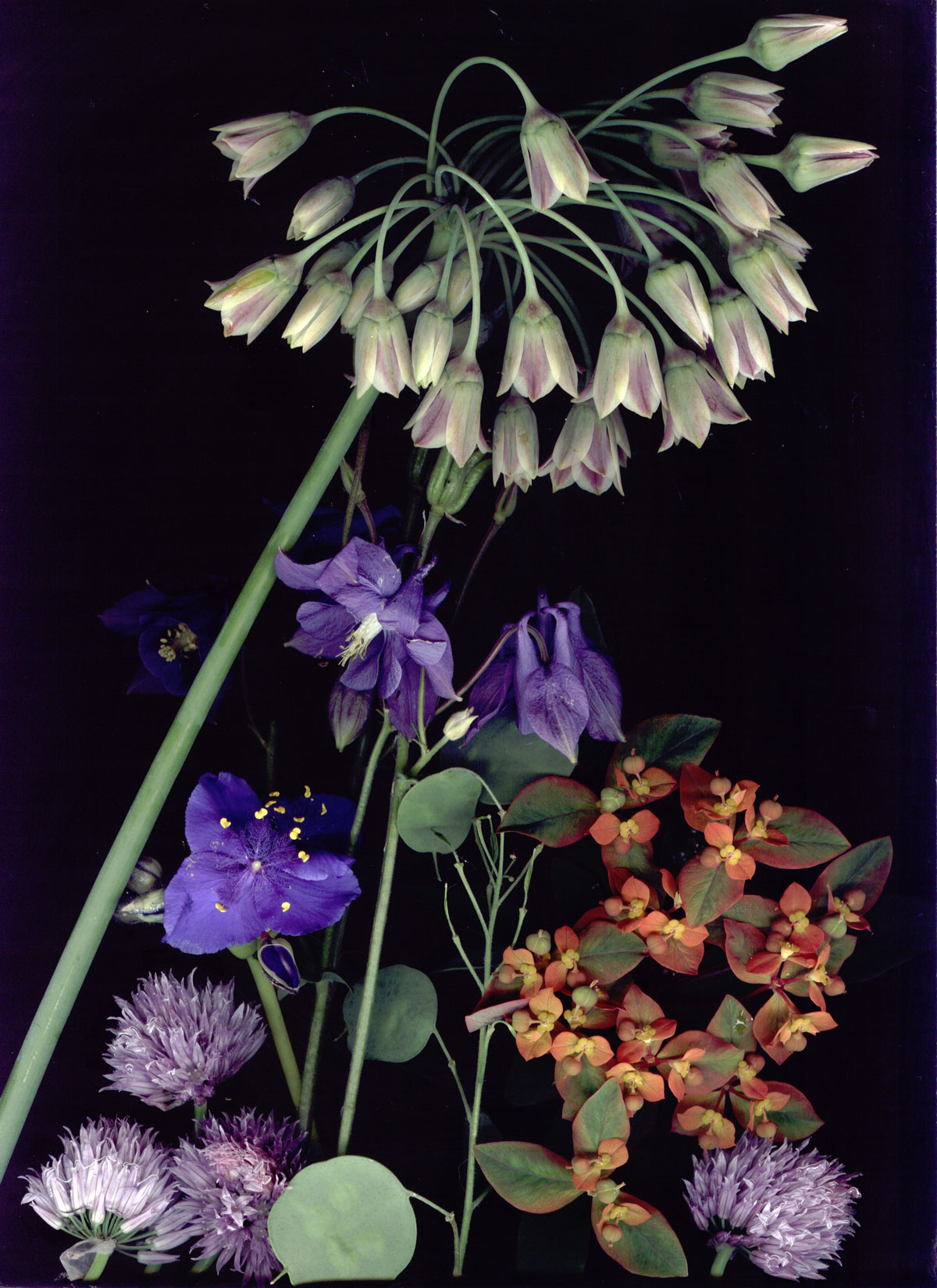
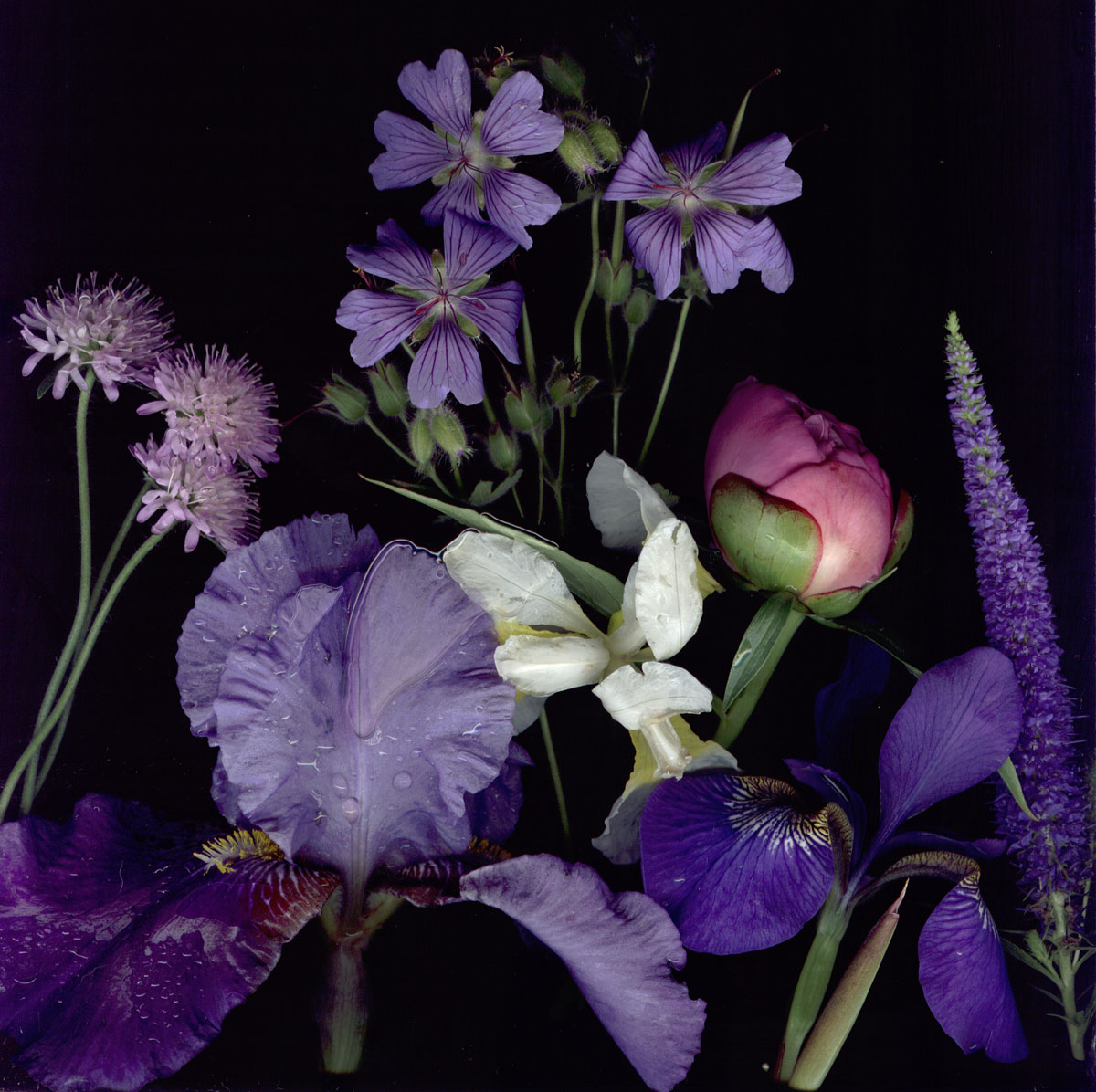
Hat tip as usual to Carol at May Dreams Garden for hosting. More to scan than time to scan it, but here are a couple. Click on images for larger view.

Nectaroscordum siculum ssp. bulgaricum, Tradescantia, Euphorbia griffithii ‘Fireglow’, chives, columbine, lunaria.
june scans

Geranium renardii “Nätnäva”, Veronica ‘Royal Candles’, knautia, peony, various irises.
june scans

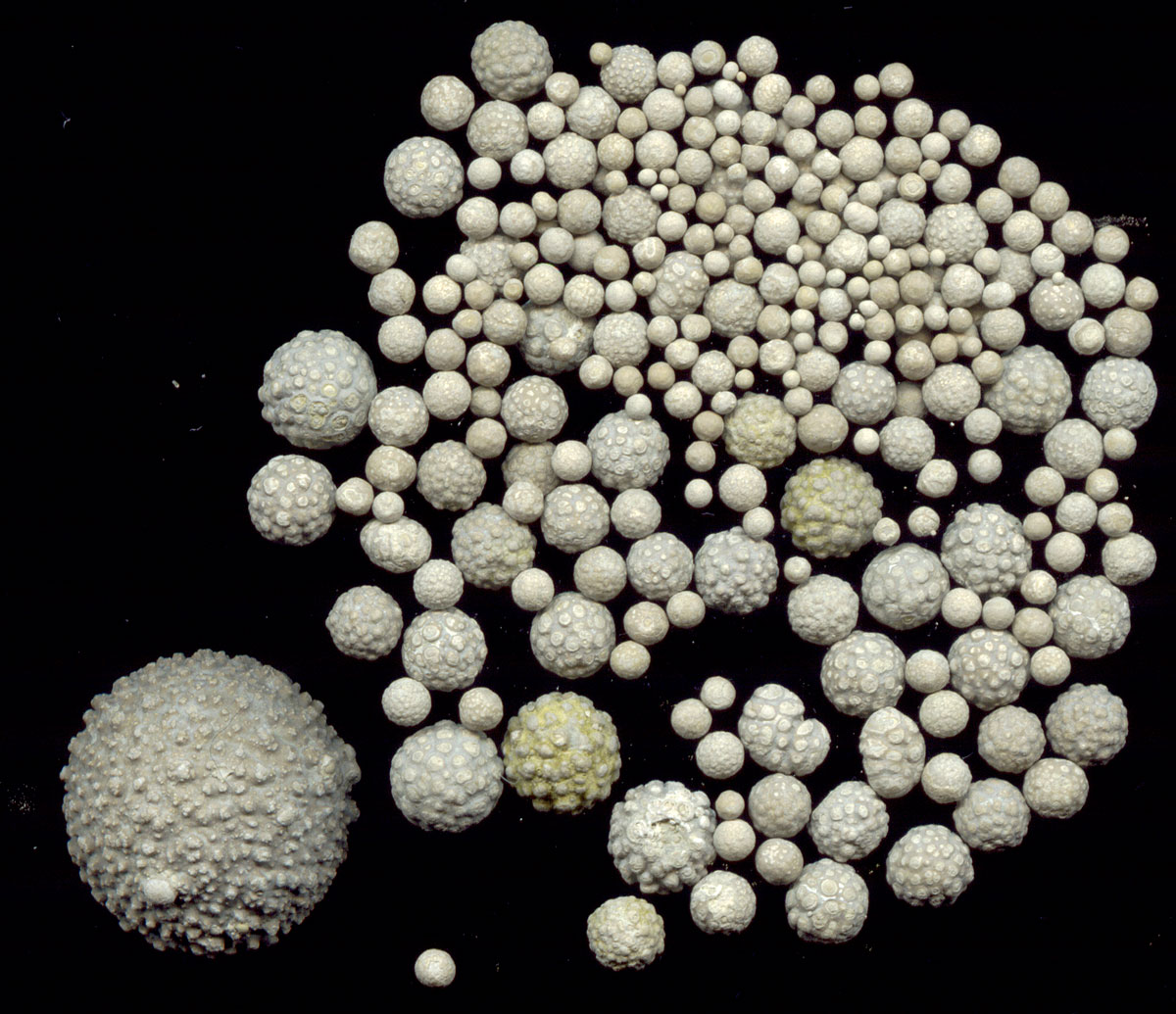
Fred’s stones
june scans

Flower bulb grant opportunity

[Full disclosure: I work on The Bulb Projectkids and flower bulbs website (see that tile over in the right hand column), sponsored by the International Flower Bulb Centre and the U.S. Netherlands Flower Bulb Information Center (NFBIC), the U.S. press office of the Dutch flower bulb industry.]
Know anyone who works with children or youth who might be interested in diving in to a flower bulb project? Maybe you could team up with a teacher or youth leader, providing some expertise in launching a community beautification or educational project. If that sounds like fun, here’s a grant program that could help your effort by supplying the bulbs to carry out the project.

Just fill out an application (deadline is July 3) describing how your school or organization will use flower bulbs creatively in educational programs with children and youth. The 10 best applicants will receive $250-worth of bulbs for their programs.

Find more information at The Bulb Project website.

New Cornell blogs, podcasts

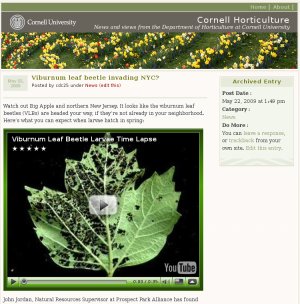
hort blog screenshotThe last few months, my blogging hobby has started to spill over into my work life. We’ve started several blogs in Cornell’s Department of Horticulture to serve some of our many audiences.

Cornell Horticulture is our flagship blog. You’ll find posts that are of interest to department students, faculty, staff and alumni, as well as the greater Cornell and horticulture communities. Occasionally, I’ll cross post some items. But to stay in touch with all the interesting stuff we do, add it to your RSS feeds.

We have two blogs that we are using primarily to distribute podcasts by our resident turf guy, Frank Rossi. Sustainable lawn care is for folks who want to manage their lawns in more ecologically sound ways. Cornell turfgrass is for professionals who manage golf courses, sports turf and other grounds. The podcasts are also available through iTunes. (Keep in mind that Frank’s advice is targeted primarily for the New York and the Northeast. Your mileagemay vary.)

For educators working with children and youth, we have our Garden-based learning blog. For famers looking to extend their harvest season for vegetables, fruit and cutflowers with unheated greenhouses, we have a high tunnels blog.

All of these blogs have associated websites that provide the ‘reference book’ resource on these topics. But the blogs provide us with an easy way of keeping our audiences up to date on the latest happenings.

What I think will be my favorite of our Department blogs is slated to launch soon: What’s blooming in Minn’s Garden (and more). It will be spearheaded by the students who are maintaining this historic garden and the other gardens around the Ag Quad, many designed and installed by Cornell students. I’ll be sure to let you know when it’s open for buisness.