Blog

Belated bloom day scans

This morning, I finally had a chance to get out into the garden with enough light that I didn’t need a flashlight to see what was there. Were it not for the recent cold (seasonable, actually) weather, I thought I might actually be able to scan some things that most reasonable people would actually consider blooms. But all I found really were materials suitable for dried flower arrangements, which I usually put together over the Thanksgiving holiday, anyway.

So, this may be my final bloom day scan until March — unless we have another mild winter and we have snowdrops in January like last year.

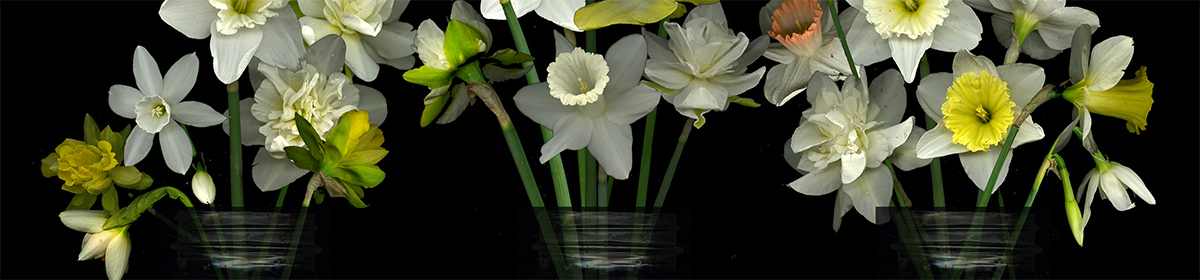
Ornamental grass wrapped in thunbergia, lunaria, milkweed, ironweed, motherwort, bittersweet.

nov scan

Heuchera, clematis, milkweed(?) seeds that happened to drift in during composition.

nov scan

In lieu of bloom day scans

A few years ago, I attended a lecture by Felder Rushing, who is neck-and-neck with Piet Oudolf in the race for most influential gardener in my life.

At the beginning of his presentation, Felder wanted to point out that not only were we crazy plant people, but we were strange even by standards of gardeners in general. He asked for a show of hands to a series of questions starting with, How many of you grow more than a dozen varieties of a single species of plants? More than half gardeners in attendence raised thier hands

The question that really got me was, How many of you have ever given a tour of your garden by flashlight?

Well, honestly I haven’t. But I wouldn’t hesitate to.

If I wanted to do my usual bloom-day scans, I would have had to use a flashlight because light is pretty scarce around here before and after work. Bloom day scans will have to wait for the weekend.

Meanwhile, I’ve had a bunch frosty and fall-color pix collecting here over the past couple of weeks. So instead of scans, here’s a chance for my usual pix purge.

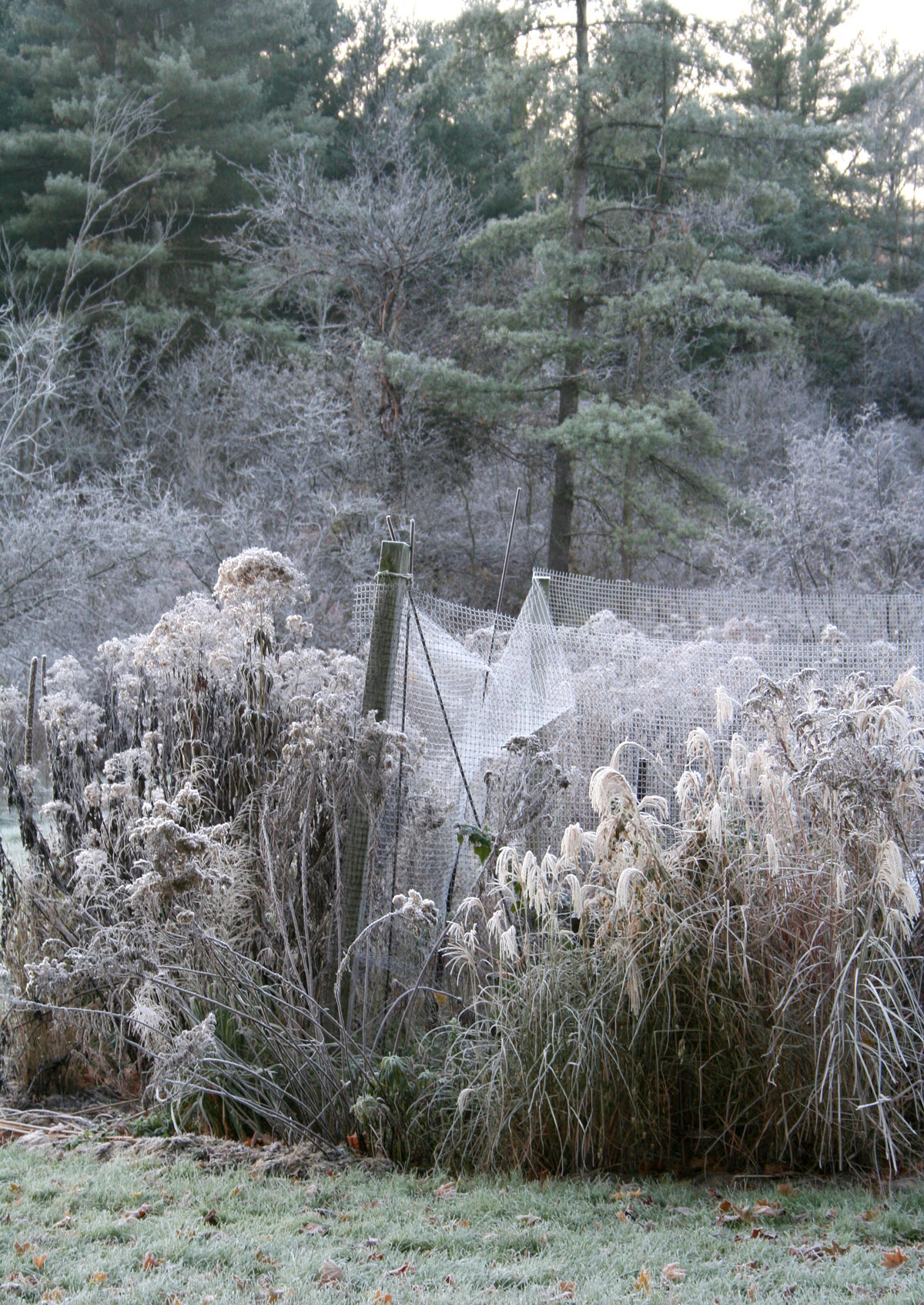
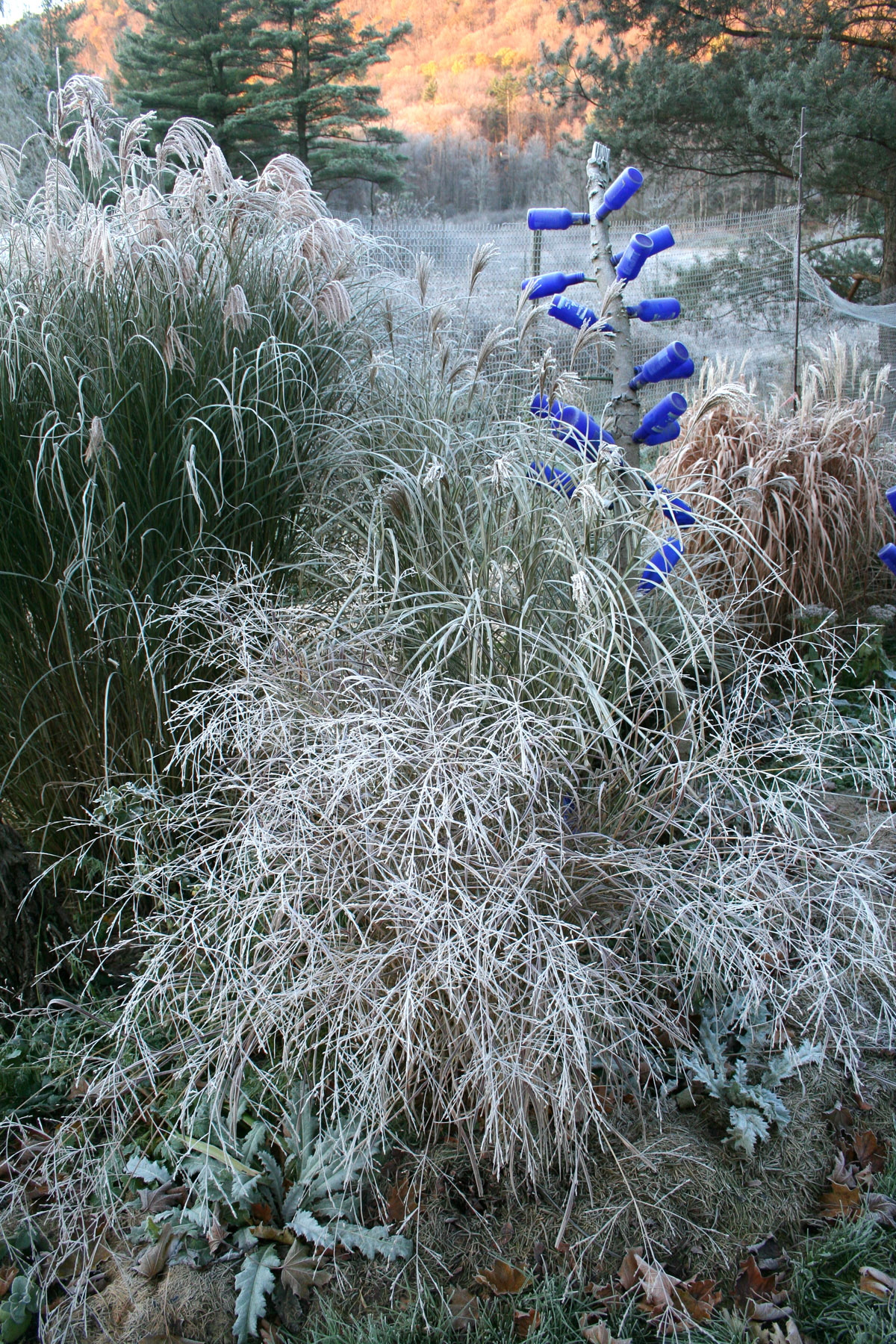
Really hard frost (~19 F) last Sunday:

frost on grasses etc.

Sunrise has hit the far ridge, but hasn’t hit the garden yet.

frost on grasses etc.

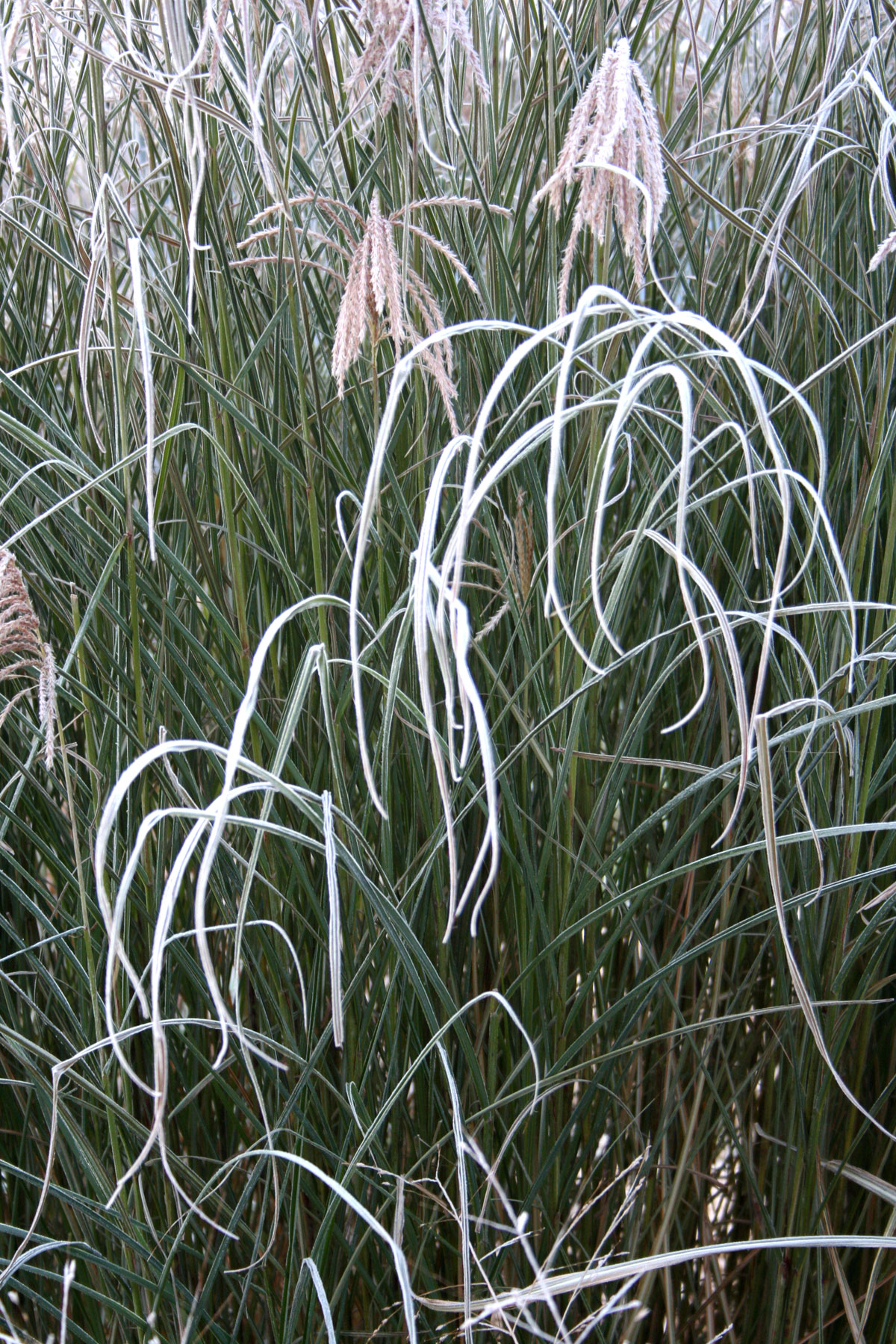
Frost patterns in the miscanthus.

frost on grasses etc.

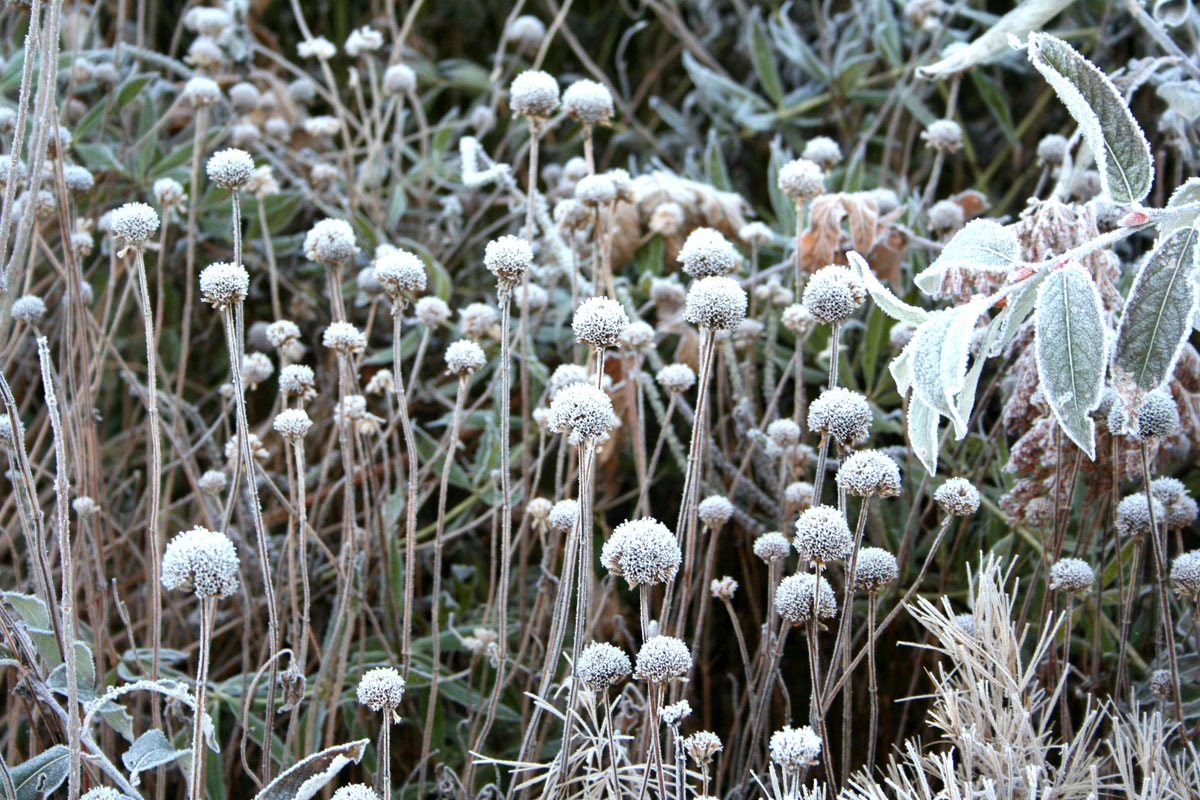
Frozen monard dots. (Thanks Piet.)

frost on grasses etc.

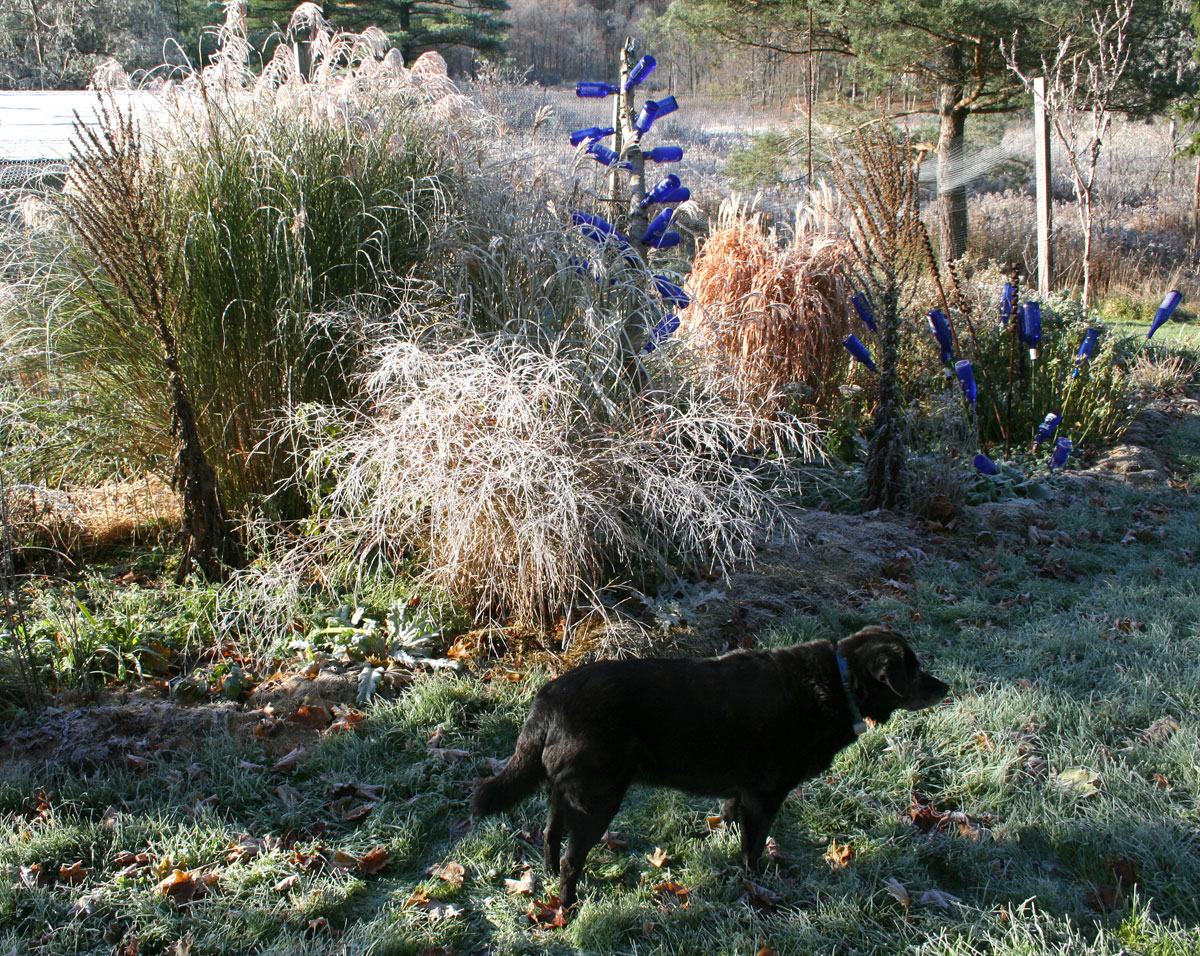
Jade and the plants soak in the sun as it burns off the frost.

frost on grasses etc.

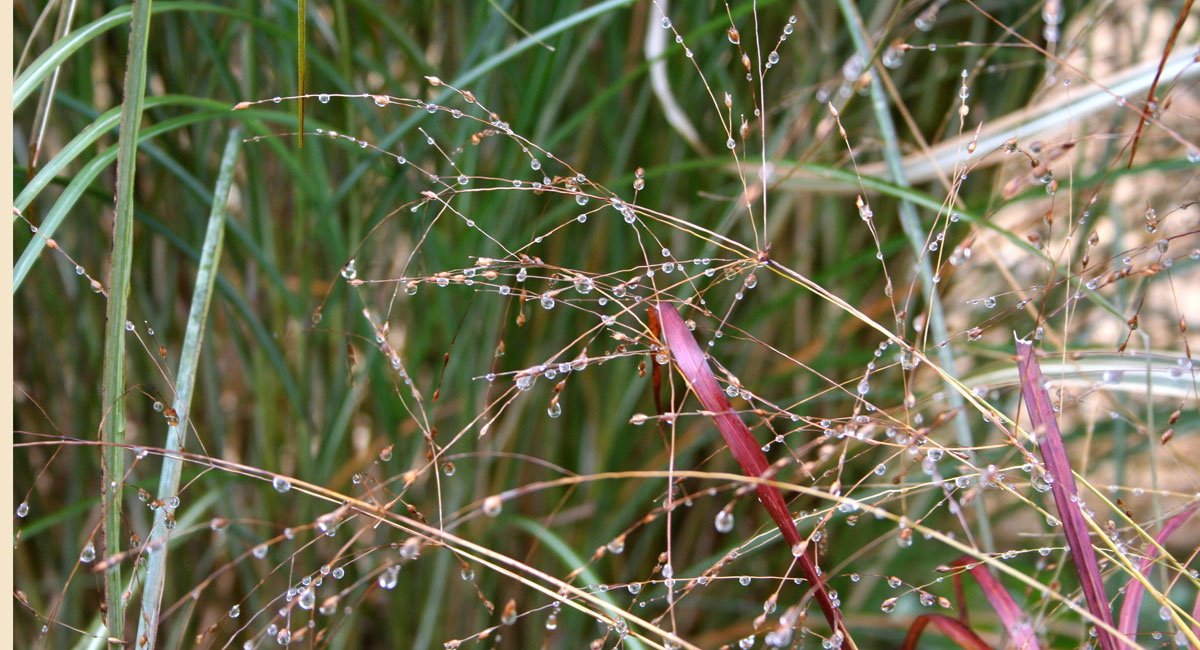
Beads of water after the sun melts the frost.

frost on grasses etc.

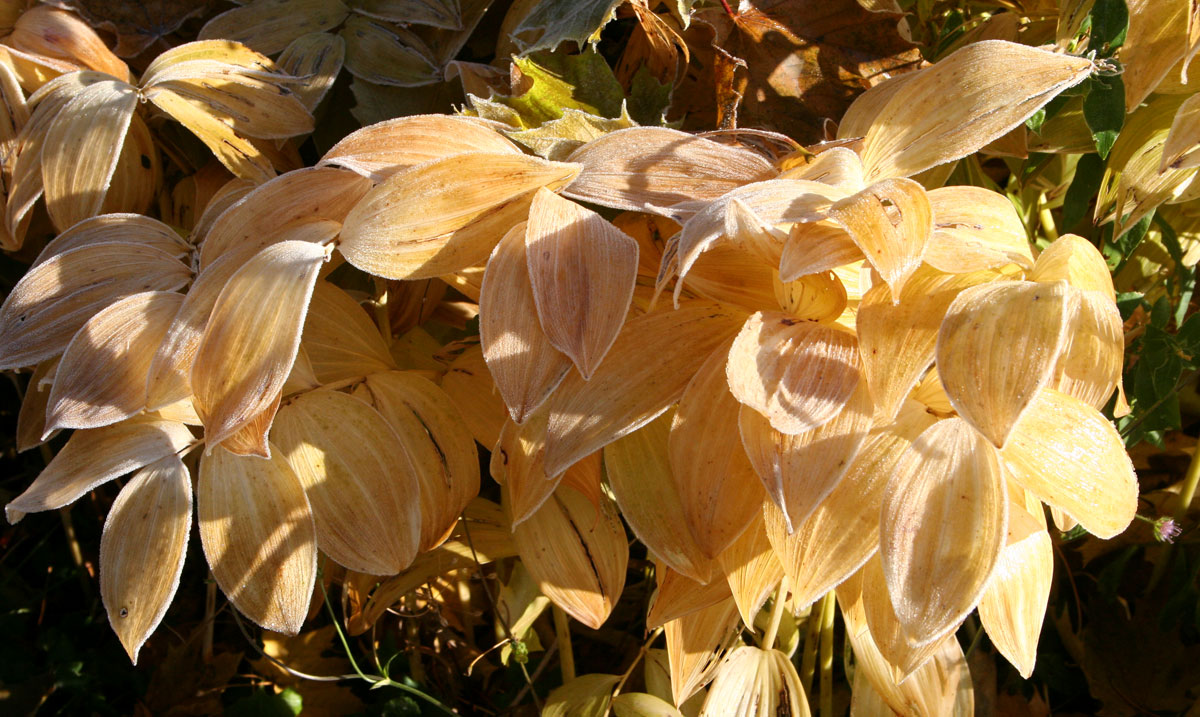
Morning sun on Solomon’s seal (Polygonatum)

frost on grasses etc.

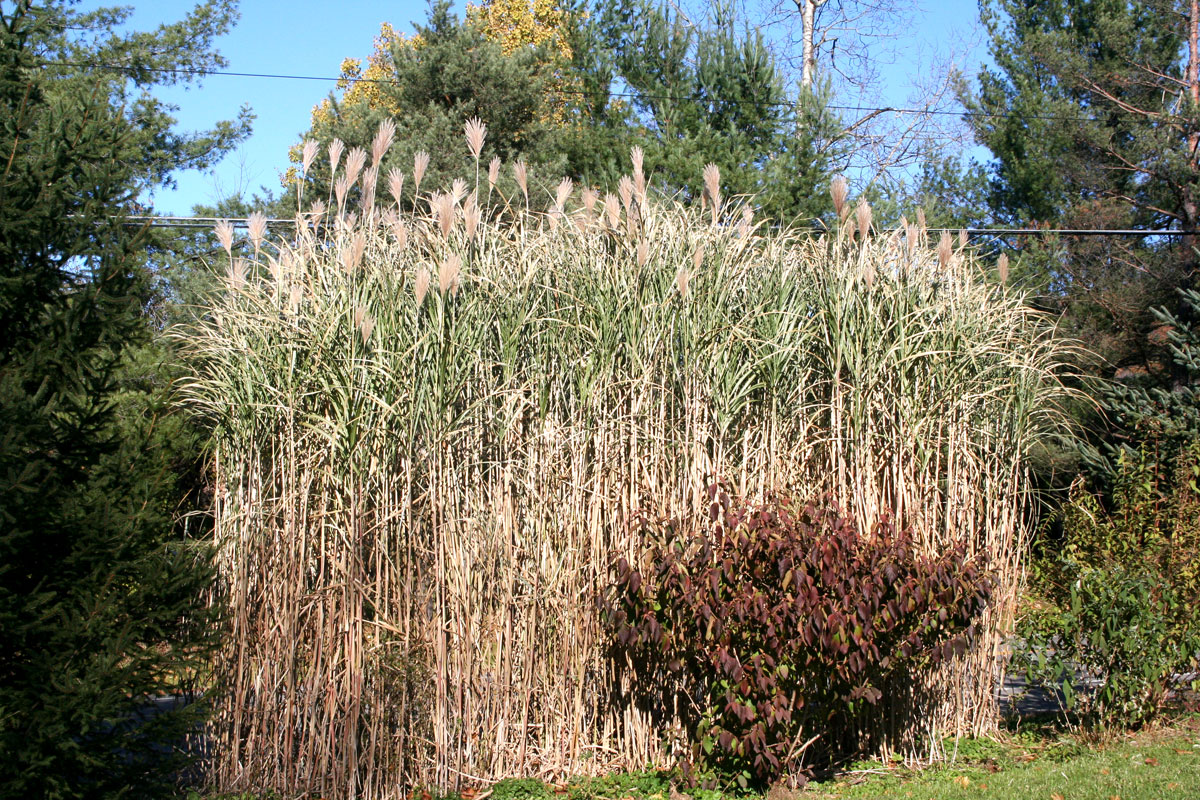
Miscanthus floridulus flowered this year, at least 12 feet tall.

frost on grasses etc.

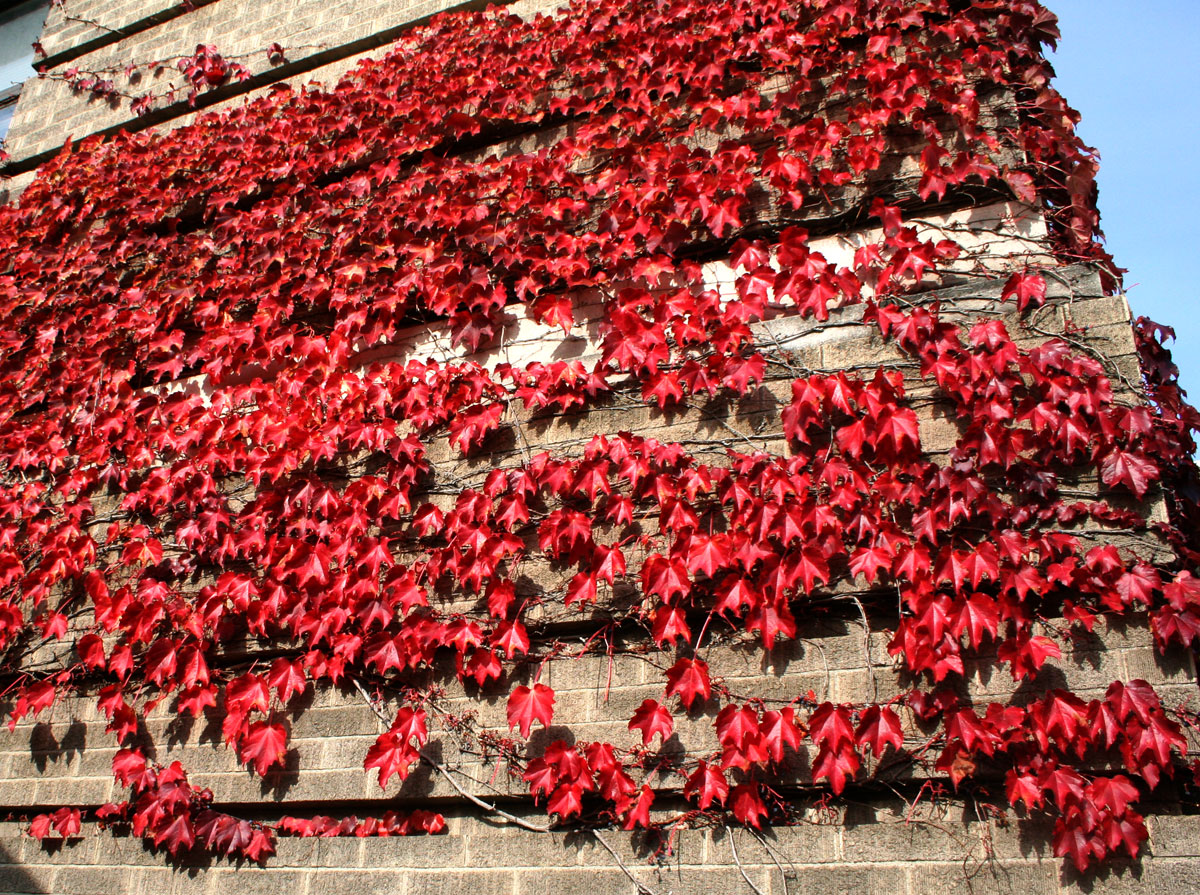
At Cornell, ‘We grow the Ivy.’ It turns red in the fall.

frost on grasses etc.

Scans this weekend, if I can find some time…

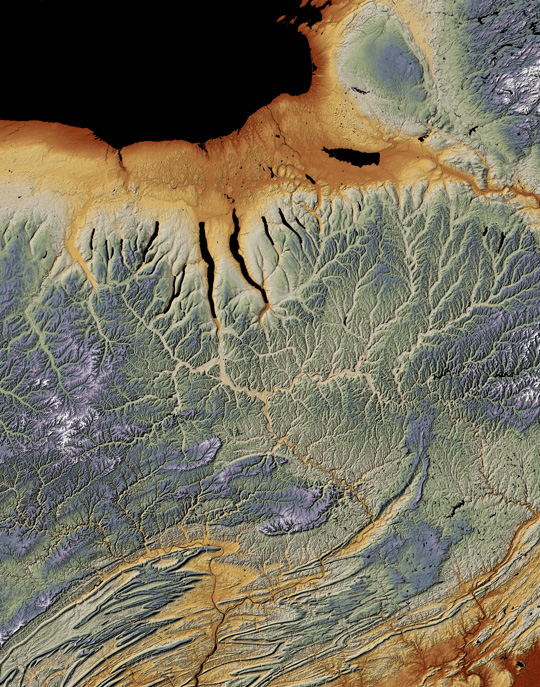
‘Terrain art’ by Jay Hart

Transitions by Jay Hart
Transitions by Jay Hart, used with permission of the artist.

‘Terrain artist’ Jay Hart, from just up the road in Trumansburg, N.Y., has an exhibition of his large-format prints at Cornell’s Mann Library in November and December. Jay’s art has its roots in his training in plant ecology, remote sensing, and geomorphology and decades of work using aerial photography and satellite imagery to answer scientific questions.

Apparently the beauty of this planet wasn’t lost on him either.

Across five continents my mapping experiences gave me a strong curiosity for terrain processes and for the aesthetics of landform. In recent years I have been exploring as art the countless examples of the earth’s broadscale beauty.

Visit Jay’s online gallery. Each image is fascinating in its own way. And every picture tells a story. For now, Transitions is my favorite, because it’s from my neck of the woods and I know the story.

I’ve only viewed Jay’s work online. But you can bet I’m going to see them in person because I suspect that their impact is even more dramatic in the flesh.

Update: If you like these, Pam at Tales from the Microbial Laboratory recommends the batiks of various aerial/satellite images (mostly coastlines) by Mary Edna Fraser. Visit Mary Edna’s Islands from the Sky website.