Blog

Rethinking bulbs – Jacqueline van der Kloet

I’ll admit that my relationship with flower bulbs has been a bit rocky. Part of it is that I live on an extremely wet piece of land with heavy clay soil, and most of the common flower bulbs aren’t well adapted to those conditions. To grow bulbs here at Ellis Hollow that are native to the Mediterranean or Central Asia requires considerable site modifications.

More and more, I’m focusing on species that can tolerate (or even thrive) with wet feet — Leucojum, Camassia and the like. But I think I’ve finally put my finger on the problem:

Conventional wisdom says plant bulbs in tight drifts to maximize impact at that time of year when you really yearn for color. So I get plantings that look like this:
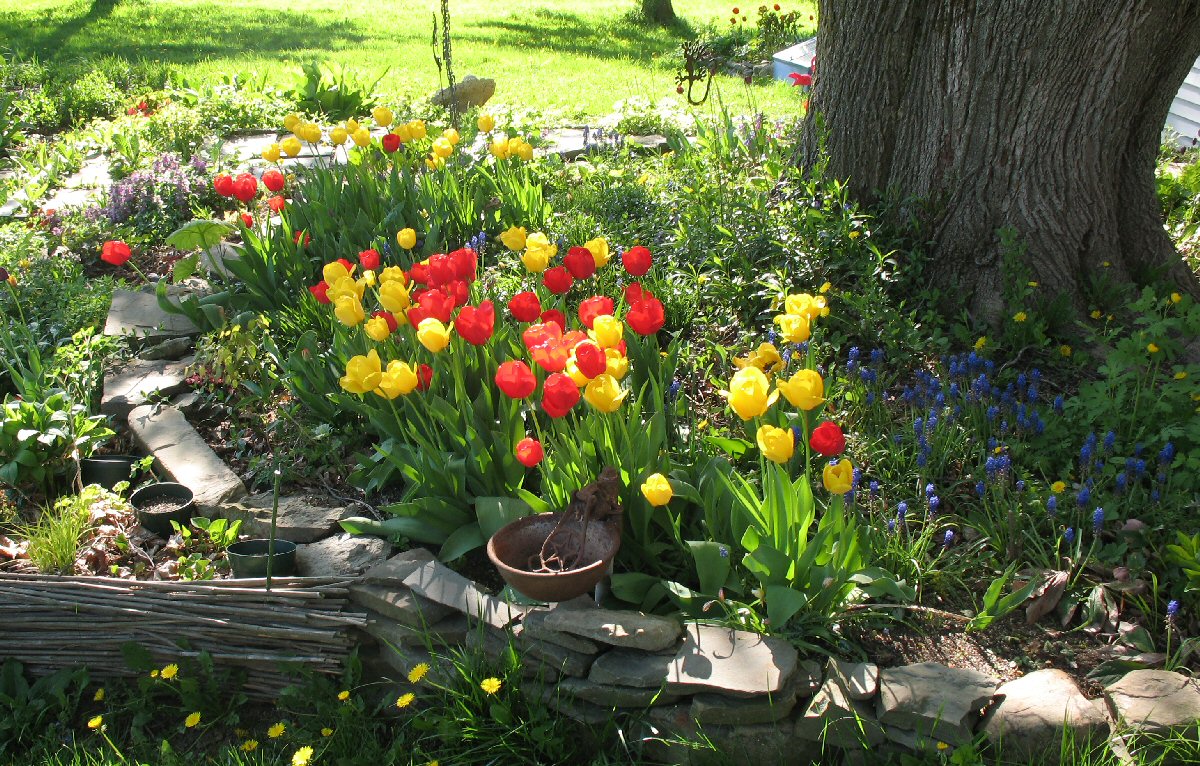
rescued tulips

Not bad. (Especially considering that I rescued these tulips from spent forcing pots.) But not very satisfying either. And definitely not my style.

My style is on the wild side. If you’ve visited here regularly, you know that my biggest design influence is Piet Oudolf — the Dutch designer famous for his naturalistic designs and focus on plant and flower form more than color. So imagine my excitement upon discovering this past year that he teamed up with Dutch bulb desitgner Jacqueline van der Kloet in his Battery Park (New York City) and Millennium Park (Chicago) installations.

I first read about van der Kloet in this Chicago Tribune story by Beth Betts, and despite all I’ve read since, I think Beth sums up best what’s unique about van der Kloet’s approach:

A troop of red tulips standing tall beside a regiment of yellow daffodils. A march of blue grape hyacinths. A platoon of hyacinths in a pot.

That’s how gardeners traditionally plant spring bulbs: in solid masses of a single type …

But there is another way. Spring bulbs can relax, mix and mingle, dancing with the emerging green of perennials, in an ongoing rhythm that moves smoothly from early spring into summer. … Instead of a regiment, they can be a sprinkle and a sparkle, more like a patch of intermingled wildflowers that appears in a meadow or a woods after a long winter.

That sounds more like what I should be shooting for.

Betts quotes van der Kloet:

“I think bulbs have more qualities than only color. … They also can make a nice contrast to the growing leaves of perennials.” She mixes bulbs with varying colors, shapes and bloom times and scatters them in casual clusters. The aim, she says, is to treat the bulbs and other plants “as if they are players in the same play, not first the bulbs and the perennials later.

In practice, this means planting mixes of bulbs over wider areas (not the small platoons I have scattered here and there now) and strive for random spacing. Striving for randomness is kind of an oxymoron, I think. I mean I’ve been planting bulbs randomly in drifts for years. I just can’t figure out how come they all end up spaced 4 to 6 inches apart. ;-7

As I start putting this new bulb attitude into practice, what will it look like? I’m not sure. If I relied on tulips (deer and squirrels limit my use), it might look more like this than the image above. Or like this.

You can see more images of van der Kloet’s designs at her website (links to English version).

The future ain’t what it used to be

1957 Disney house of the futureSome light Sunday reading from The Atlantic as we prepare to go out into the world and tackle 2009: Future Schlock, from the always irreverent P.J. O’Rourke. (I seldom agree with his politics. But he’s always entertaining.)

Wherein O’Rourke and family visit Disney’s The Innoventions Dream Home (that’s the 1957 version at right) and discover the future ain’t what it used to be.

Bruce Handy, writing in Time … went on, “It’s not a novel observation to point out that our culture has become increasingly backward looking.”

Well, given the future envisioned in Disney’s House of the Future, who can blame us for looking the other way?

Disney’s Tomorrowland is deeply, thoroughly, almost furiously unimaginative. This isn’t the fault of the “Disney culture”; it is the fault of our culture. We seem to have entered a deeply unimaginative era.

But please. Don’t let it harsh your new year’s buzz.

2008 Year in review (Part 2)

You might want to start with Part 1.

July

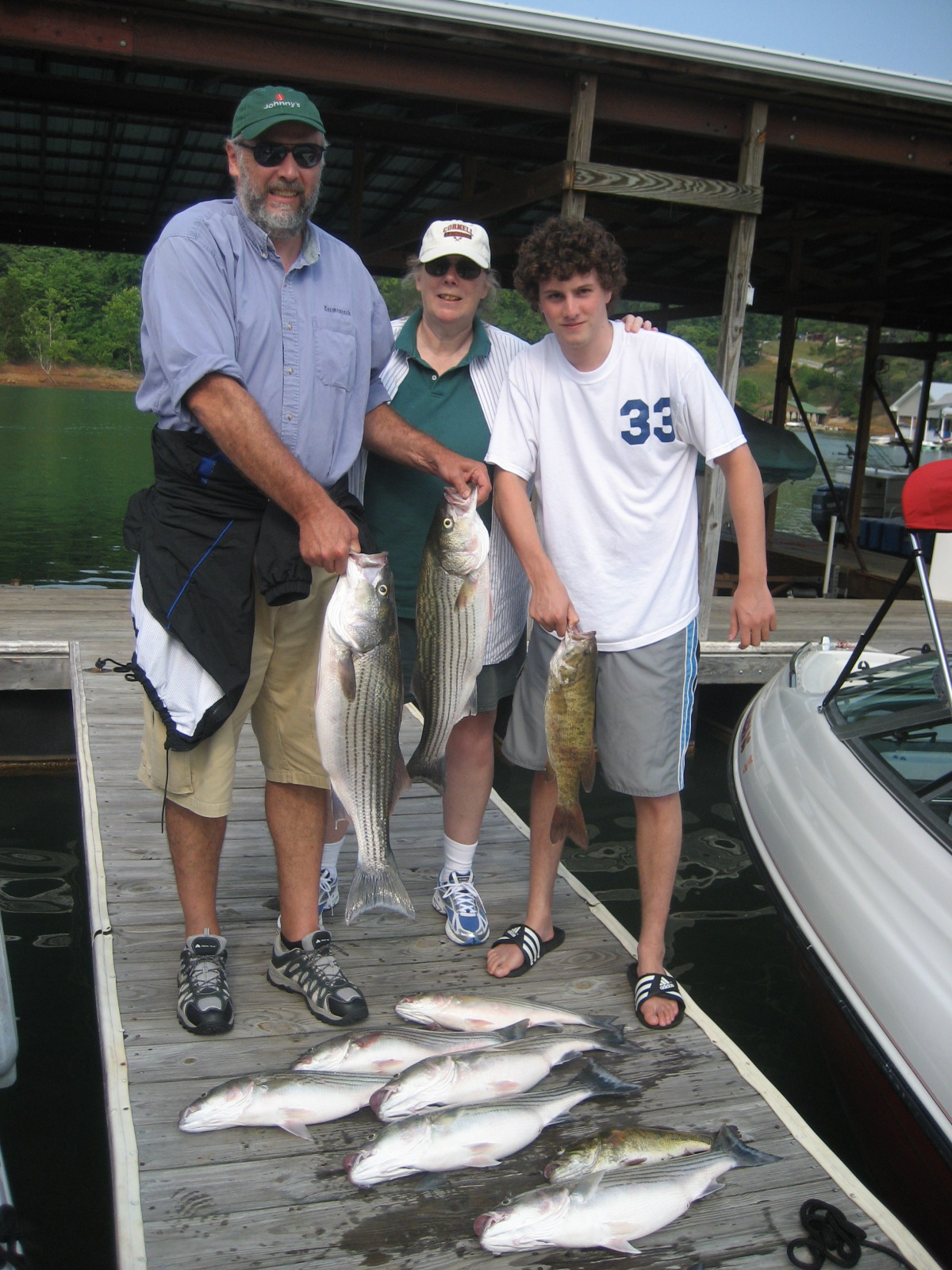
July started with a rare vacation away from home, to my brother’s lake house to celebrate my Dad’s 80th. On the boat with my sister Cheryl and wife Elly …

cheryl, craig, elly

With Cheryl and Alex after a good morning of striper fishing.

striper catch

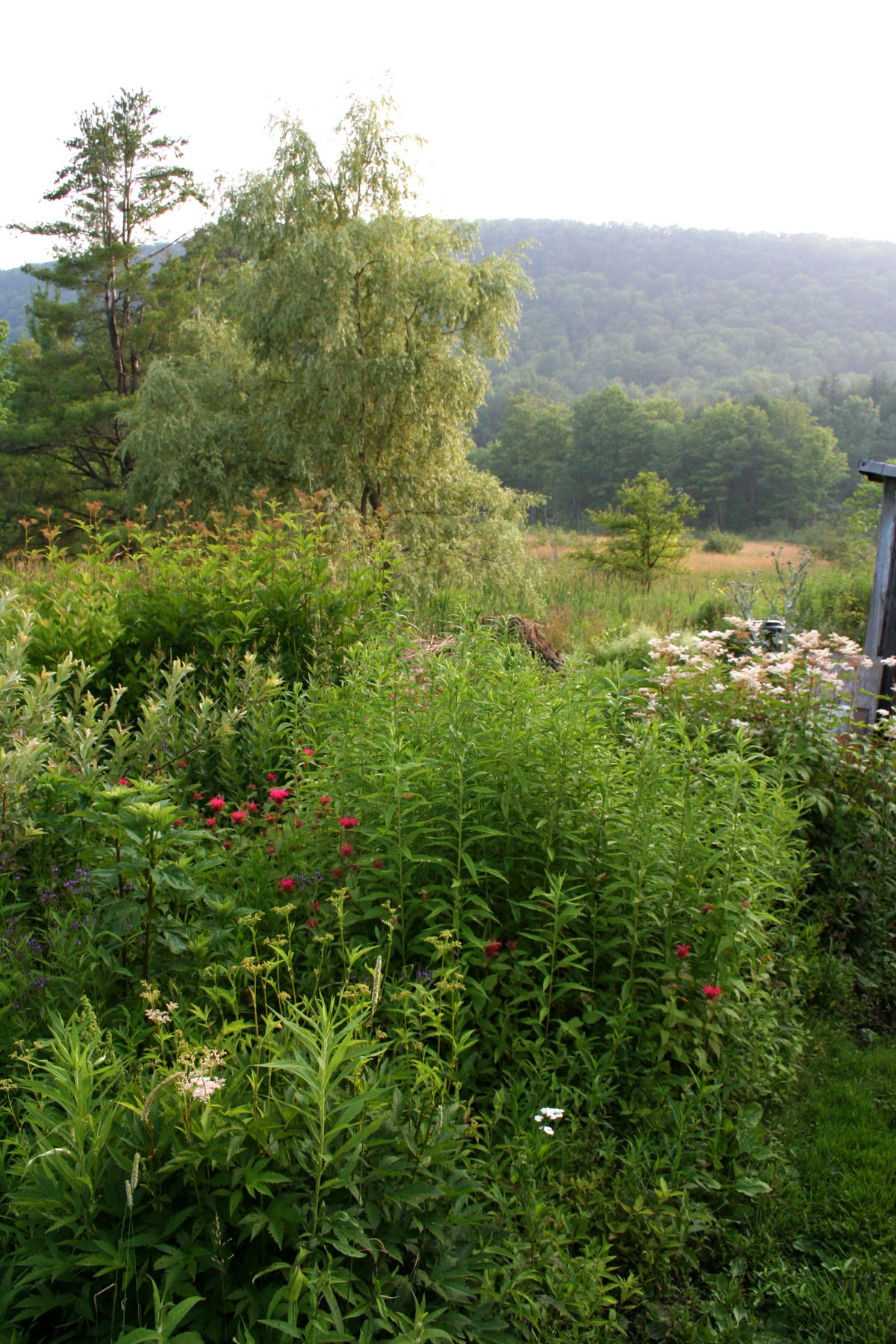
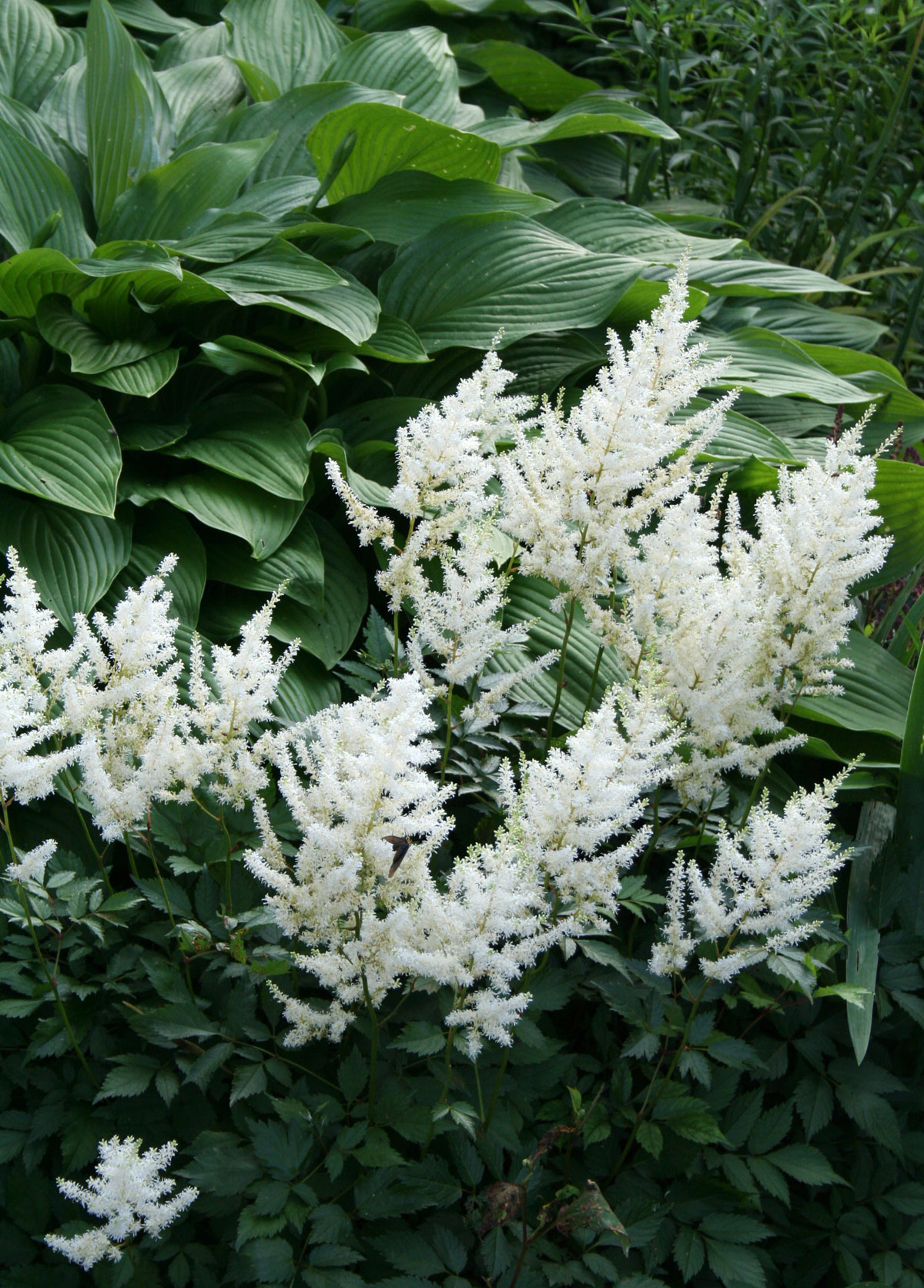
Back home, it’s midsummer and there are lots of great serendipitous plant combos to enjoy, in the wet garden …

wet garden

… and front garden.

wet garden

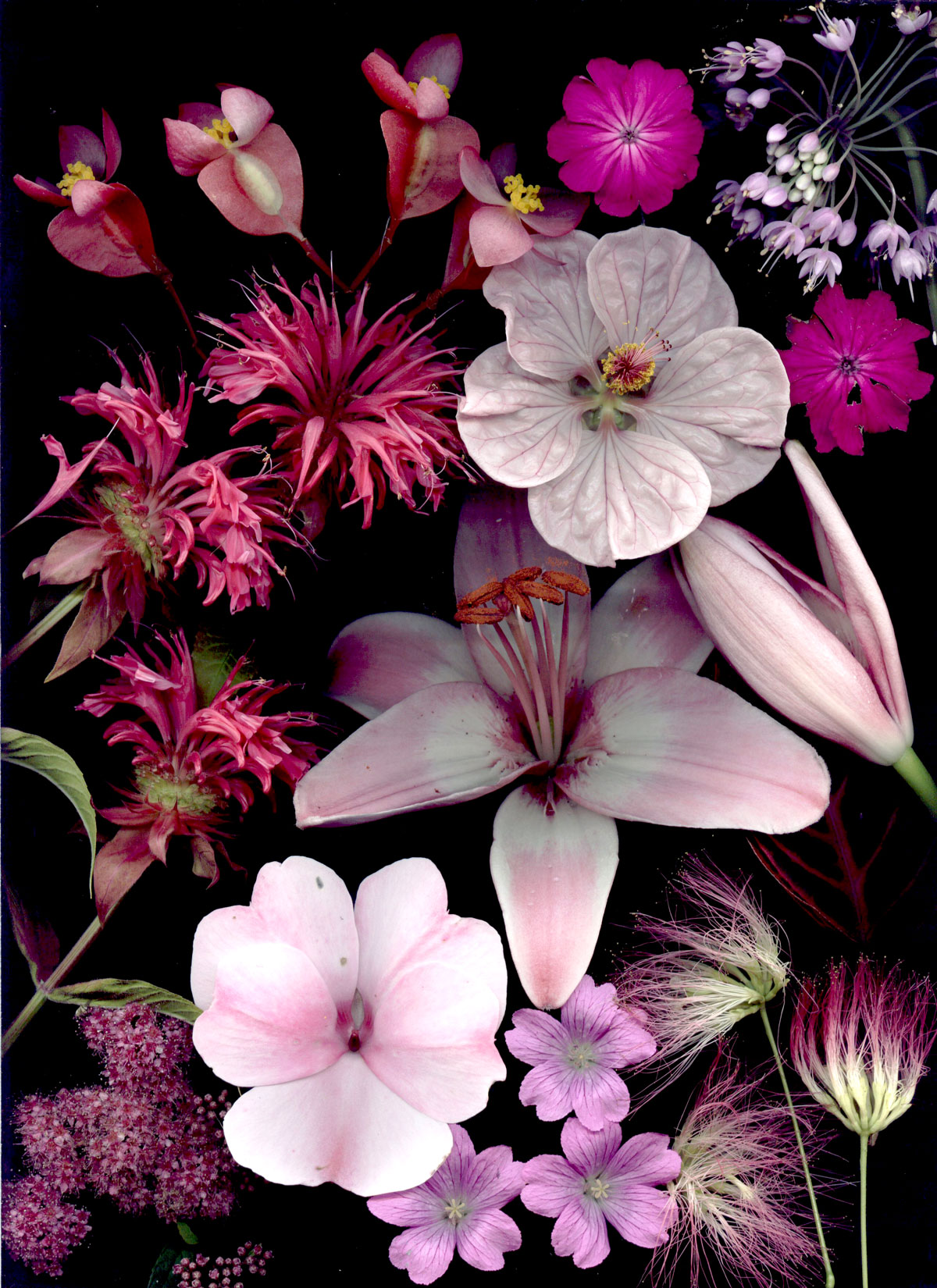
Enough plant material to do bloom day scans in four different color schemes.

wet garden

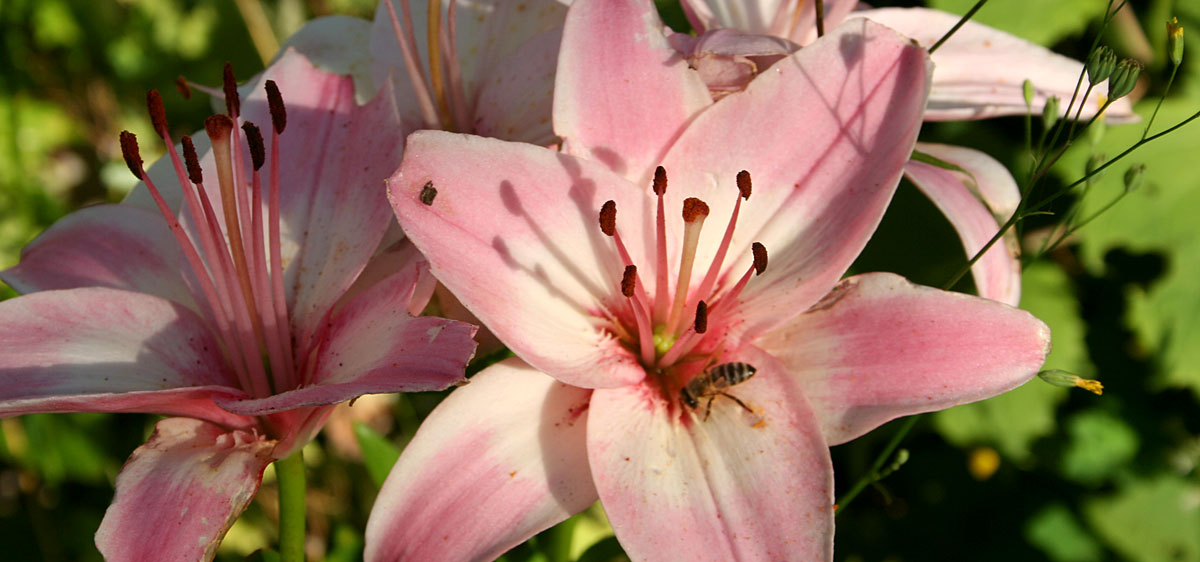
Out in the garden, lilies

wet garden

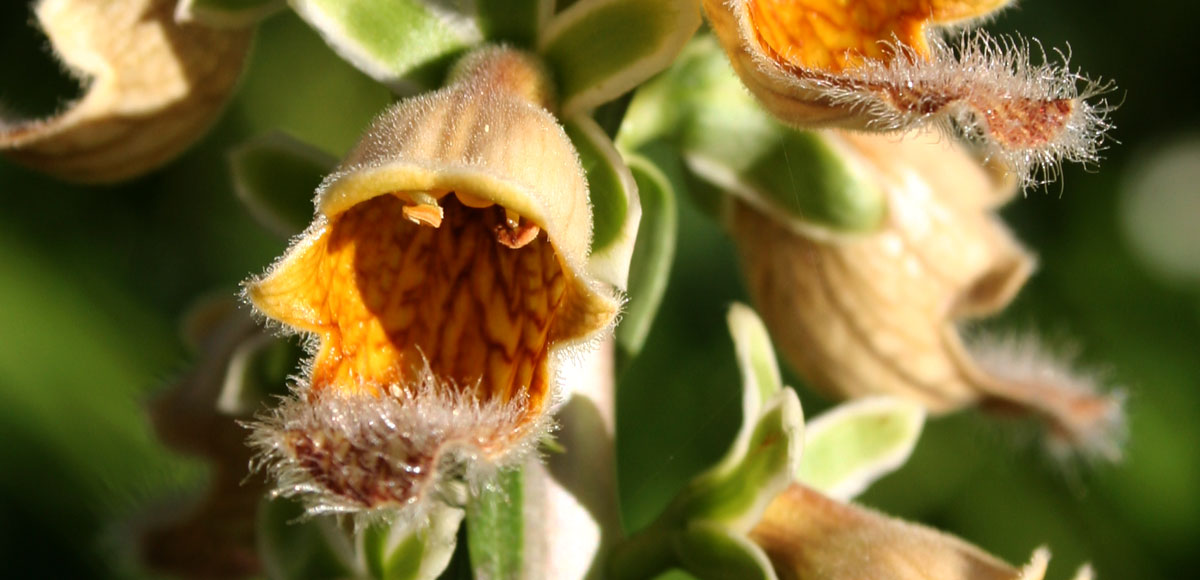
The rusty favorite, Digitalis ferruginea

wet garden

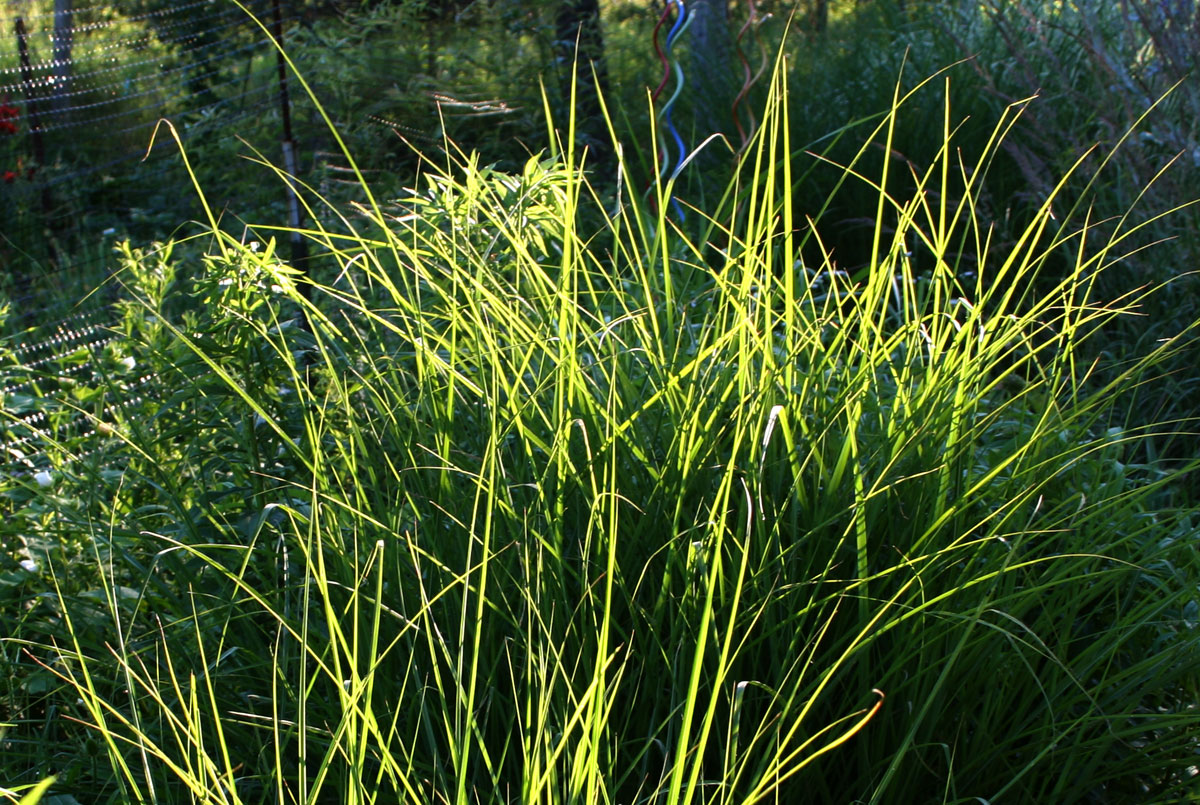
Exploring backlighting.

wet garden

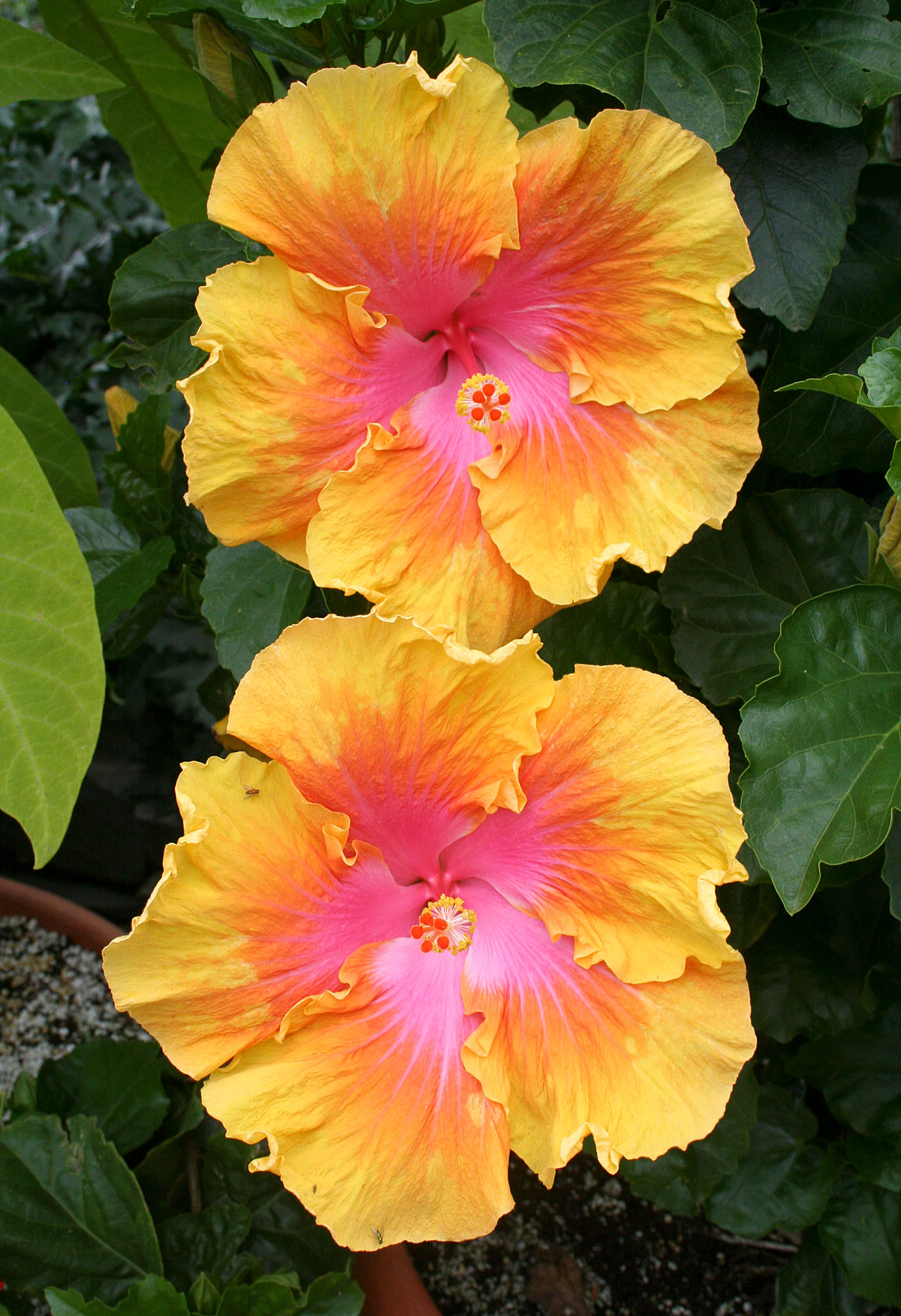
Lots of gaudy flowers to shoot. Hibsicus at Cornell Plantations …

weekend pix

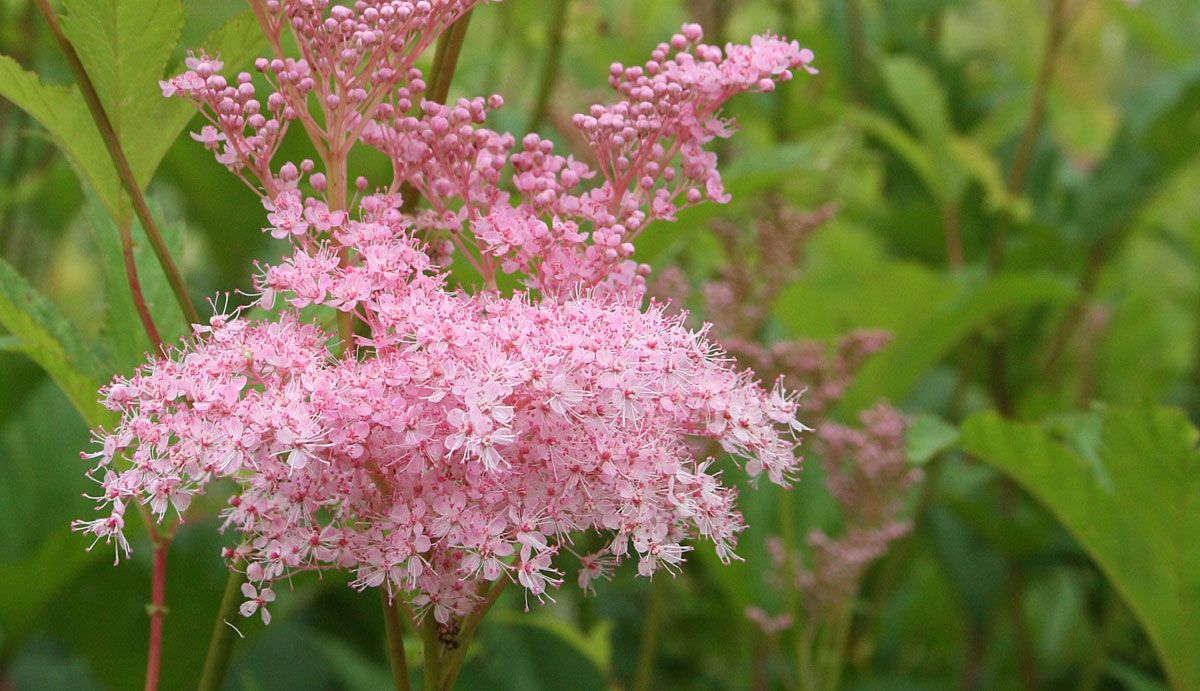
Filipendula.

weekend pix

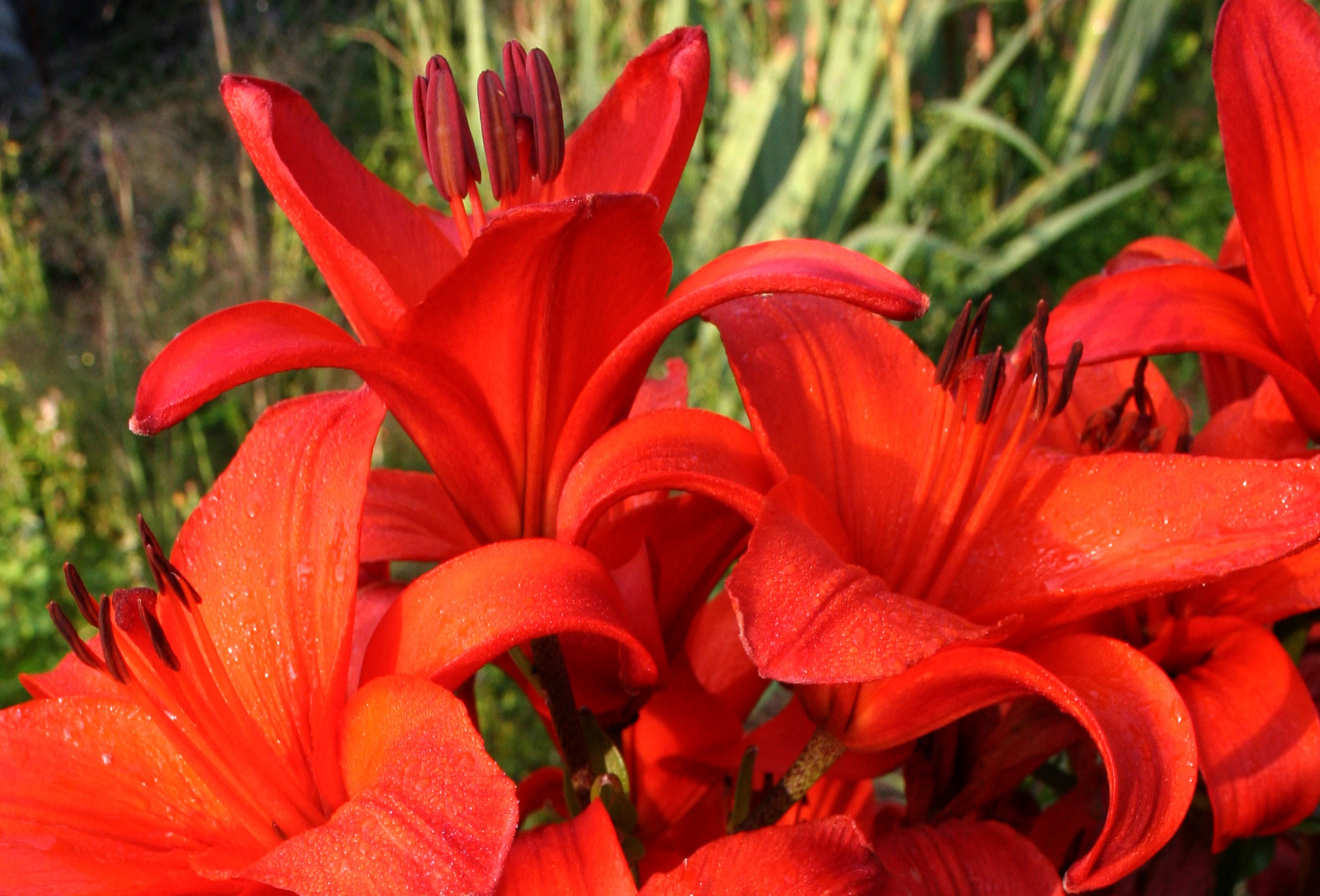
Lily

Plus my 15 minutes of fame in USA Weekend.

August

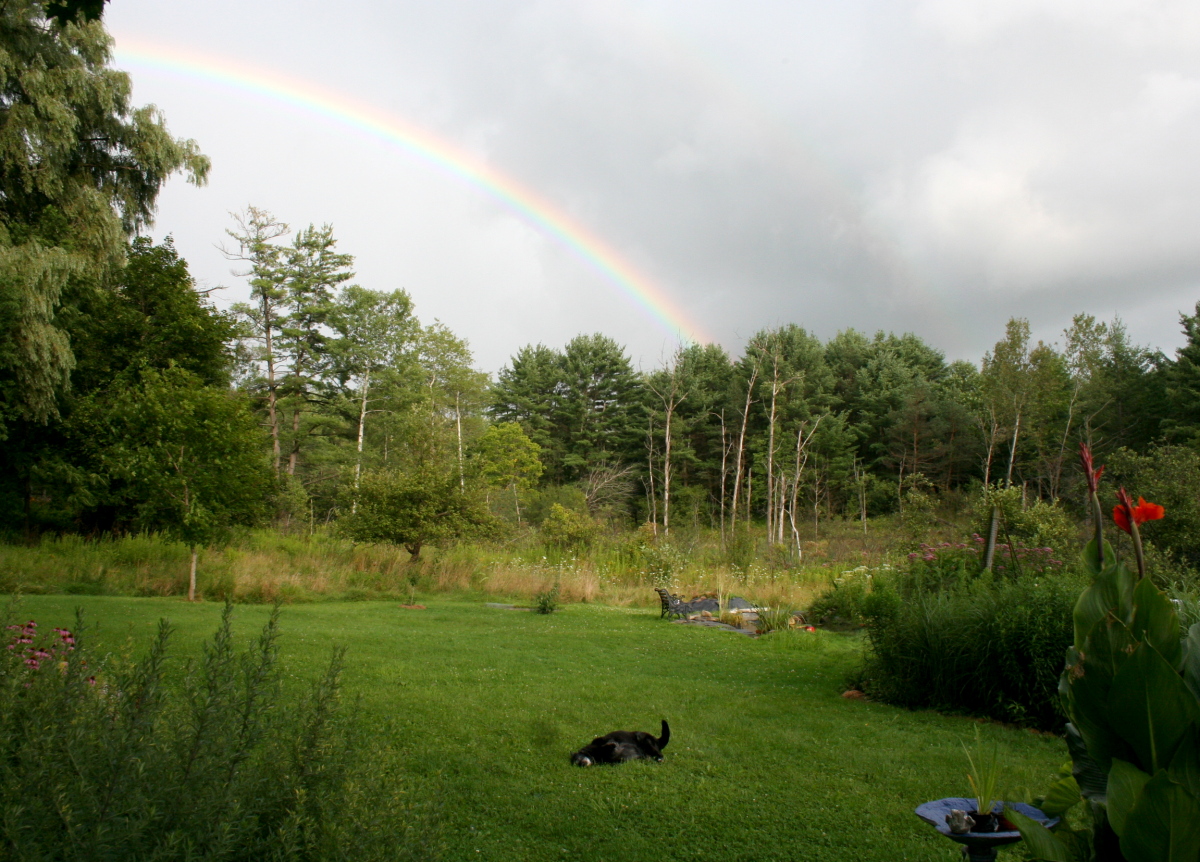
Jade rolling under a double rainbow ’bout sums up my feelings about August.


Larger image.

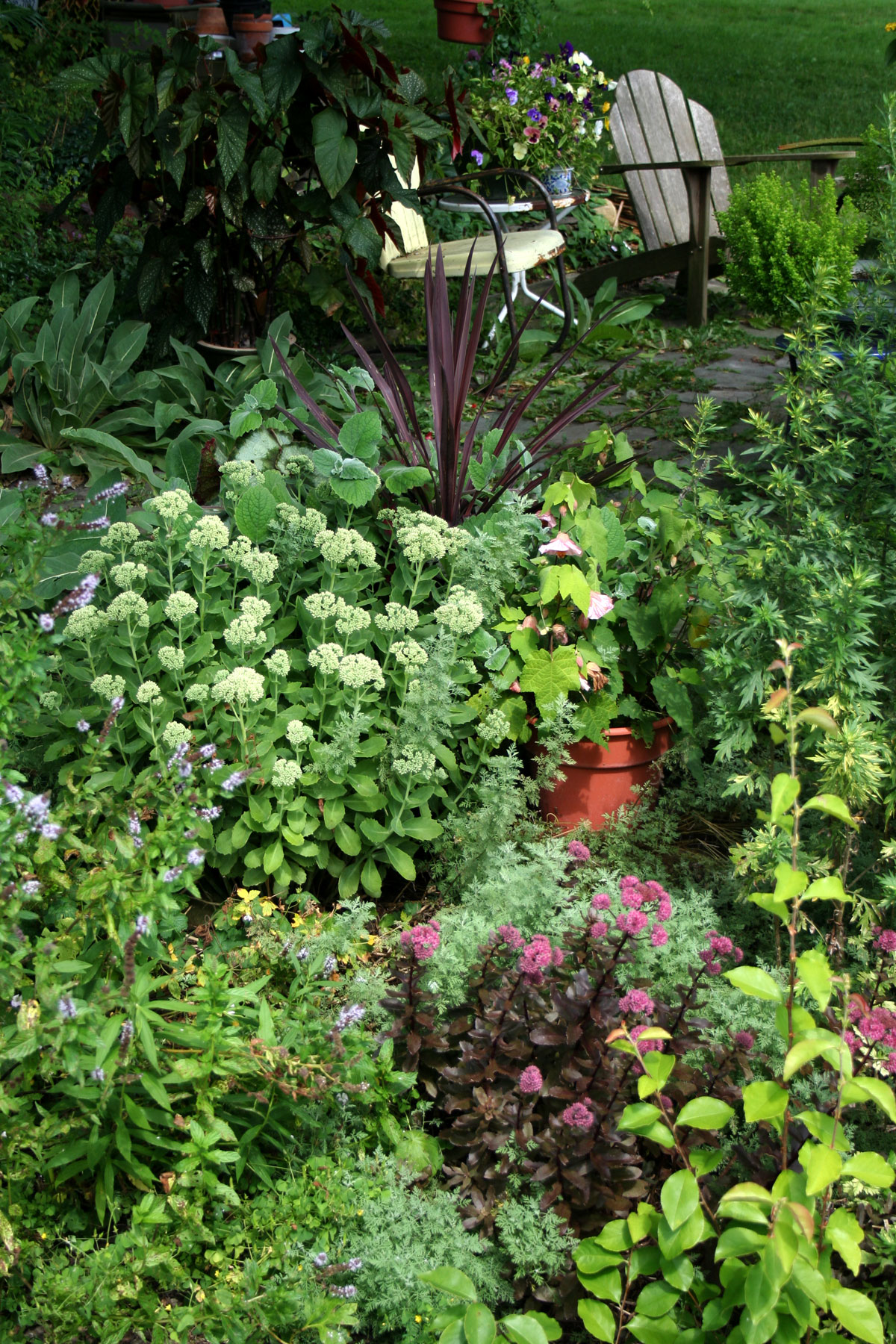
They say things start slowing down in the garden in August. Can’t say I’ve noticed that. There’s lots growing around the patio, but still not much time to sit.

sunday walkaround

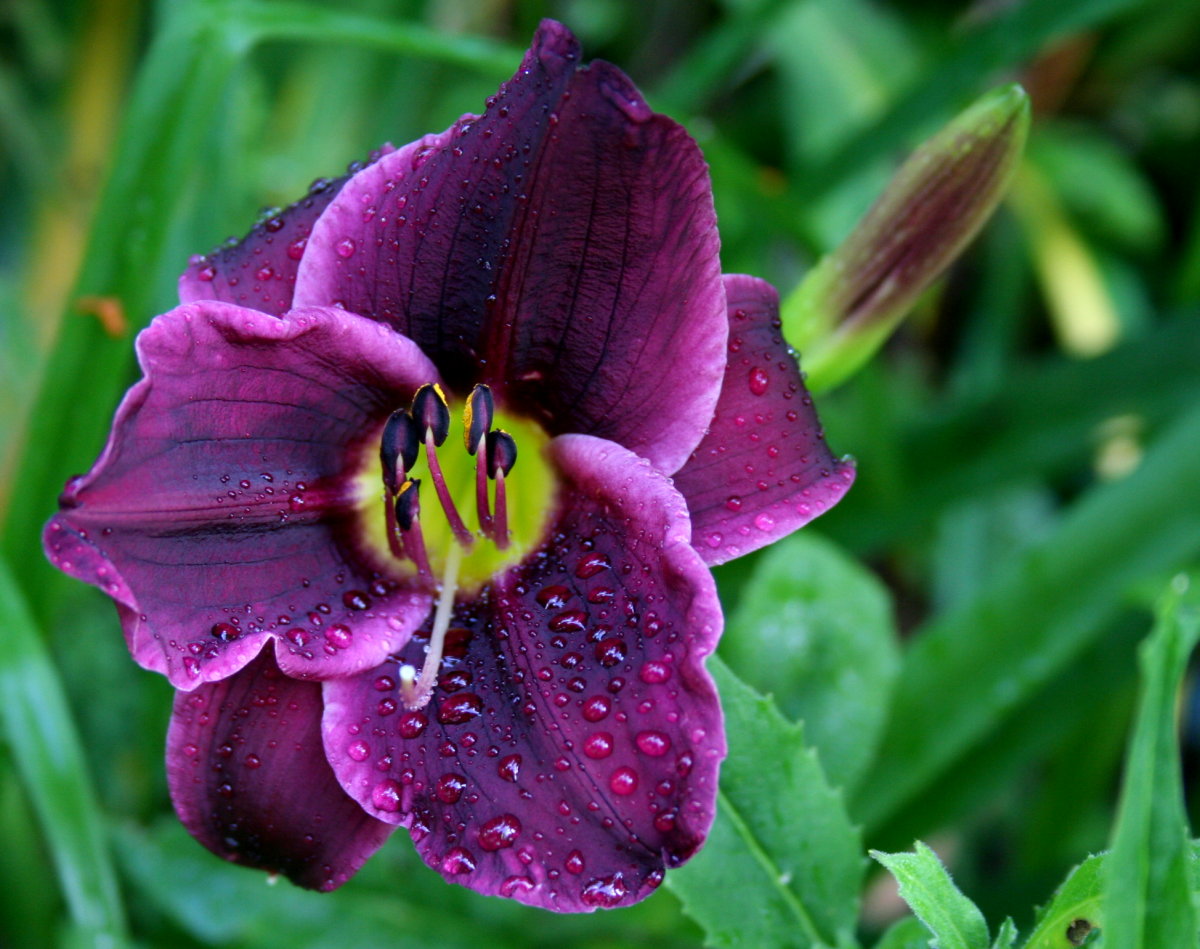
Still plenty of flowers to shoot, including Daylilies, purple …

sunday flowers

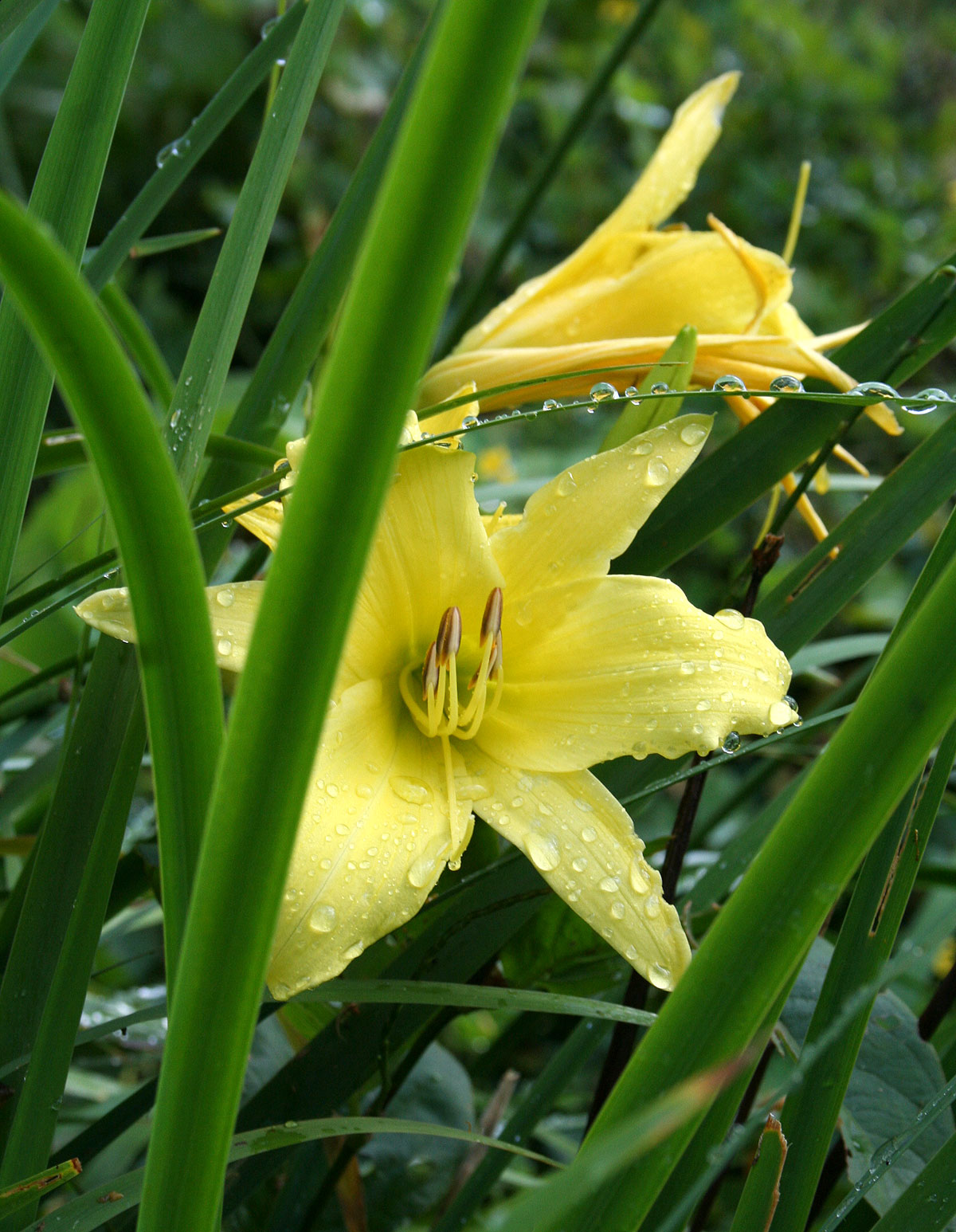
… and yellow …

bloom day aug 2008

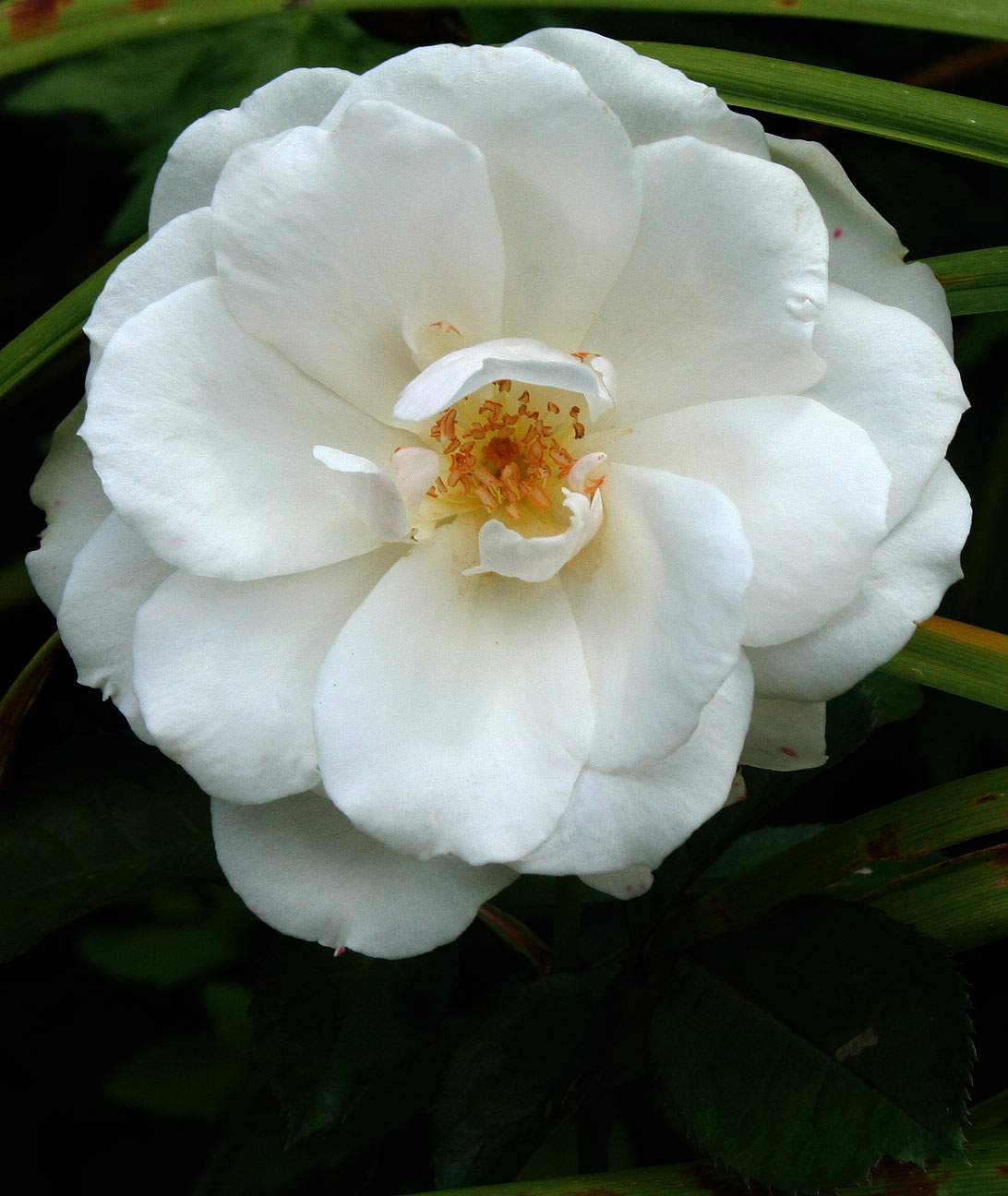
Rosa ‘Princess Di’ …
bloom day aug 2008

… buttonbush …

sunday flowers

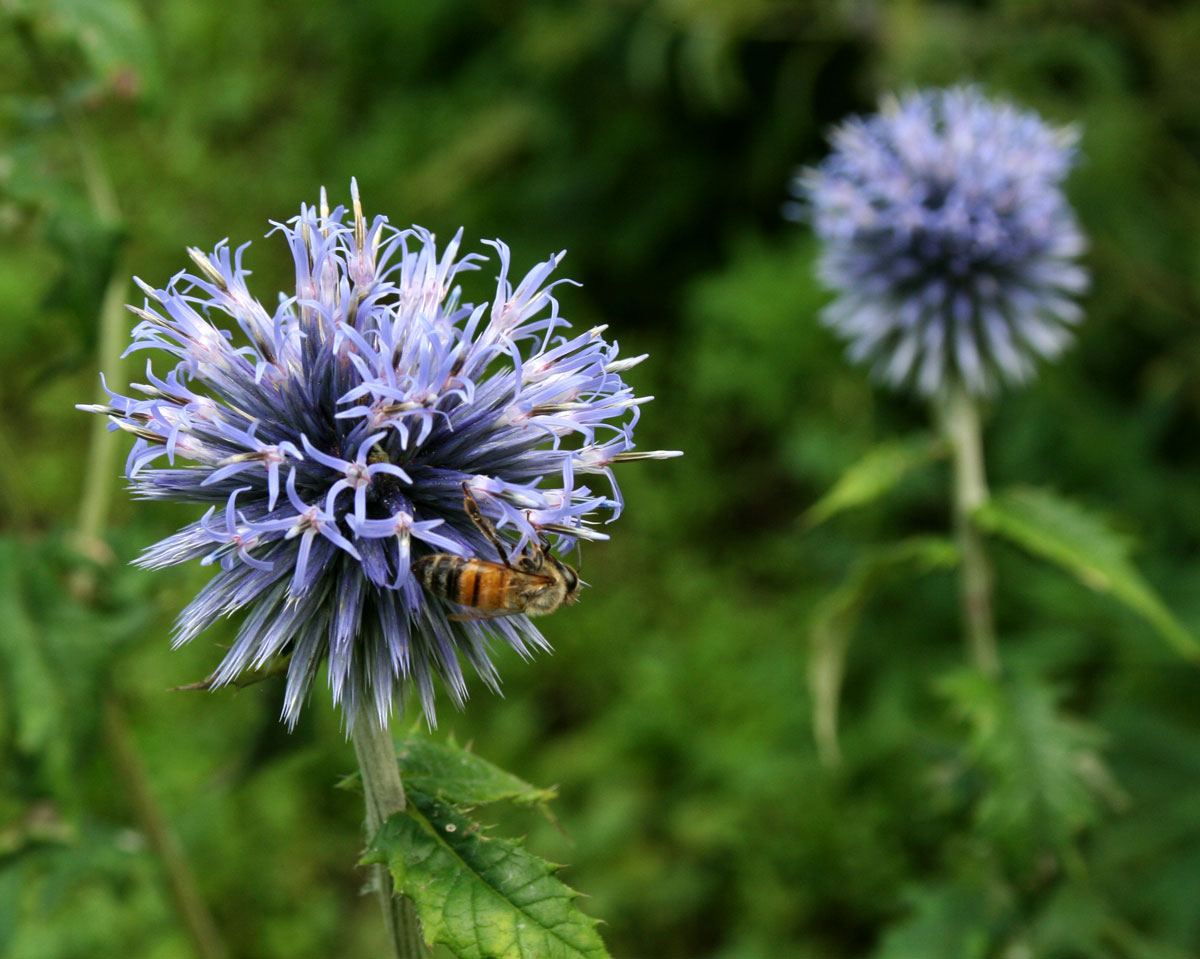
…globe thistle …

sunday walkaround

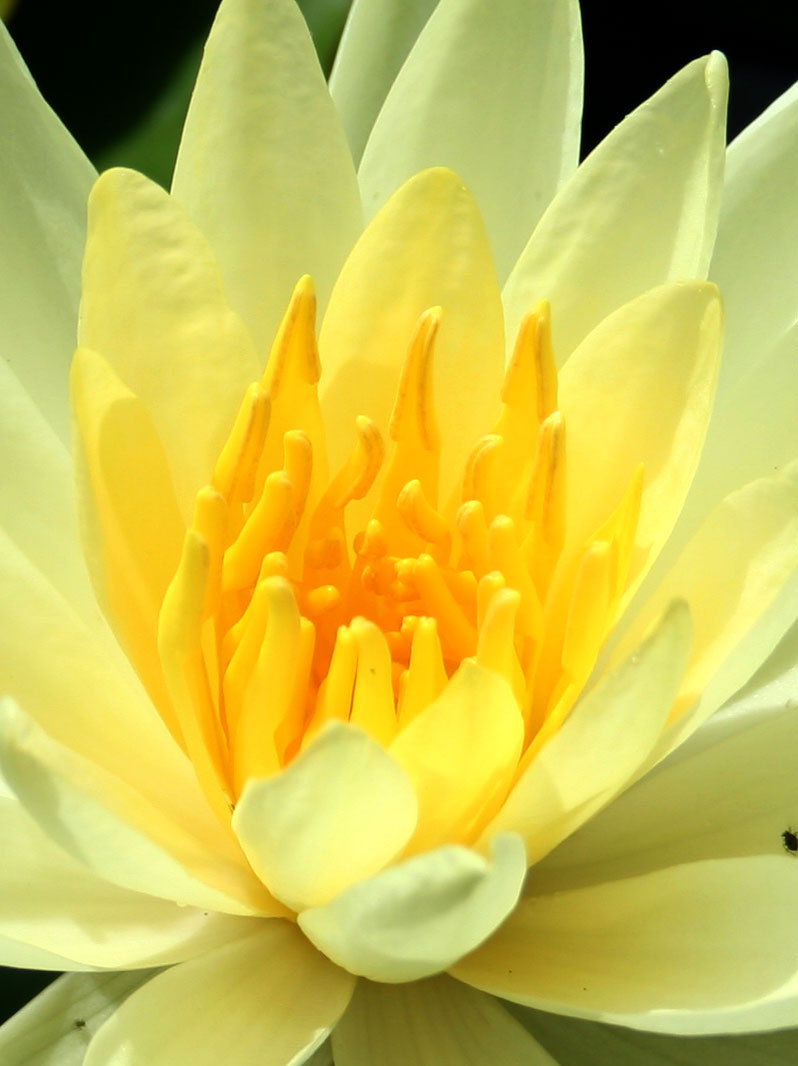
… water lily …

sunday walkaround

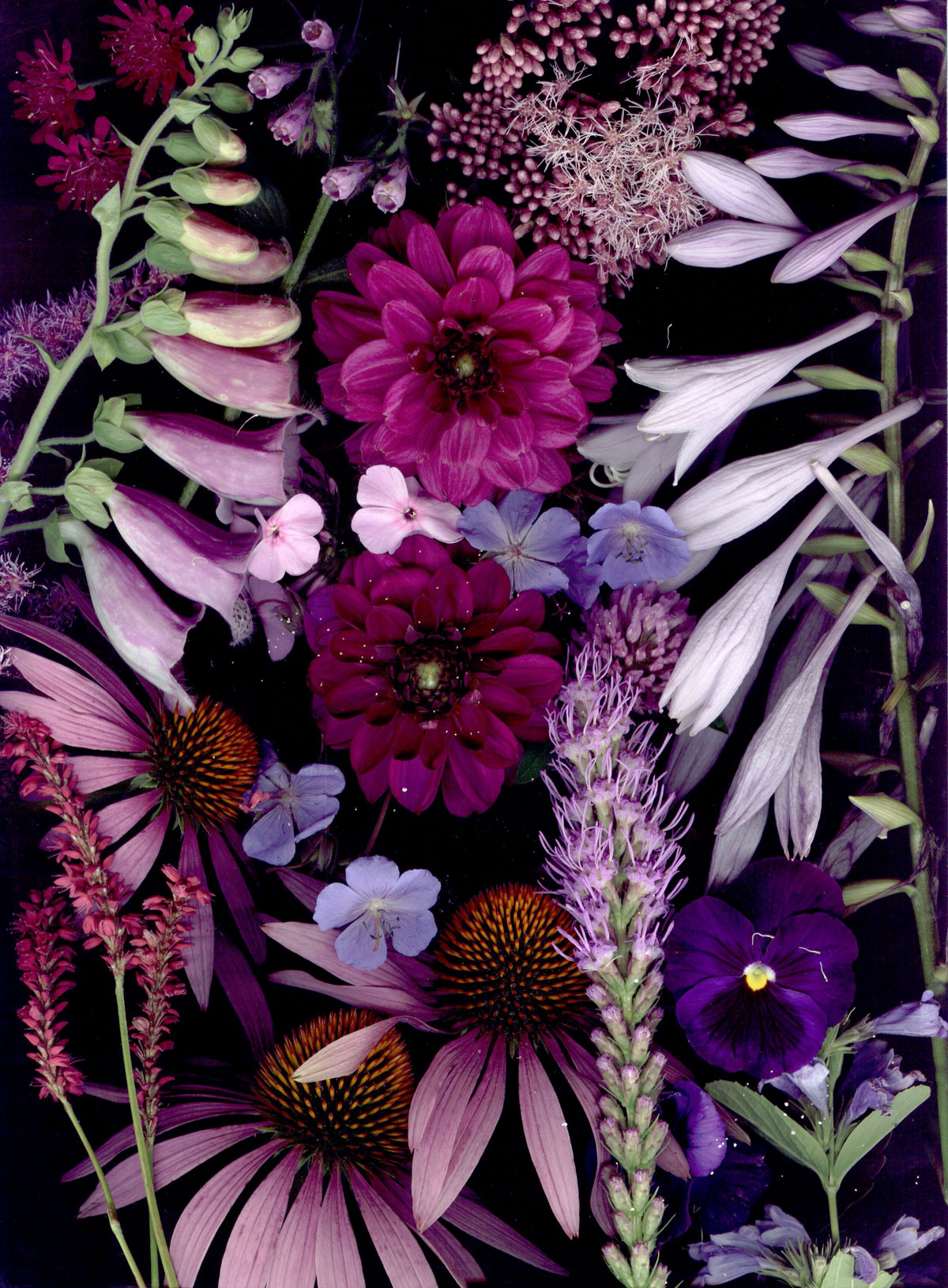
One of the bloom day scans for the month.

bloom day aug 2008

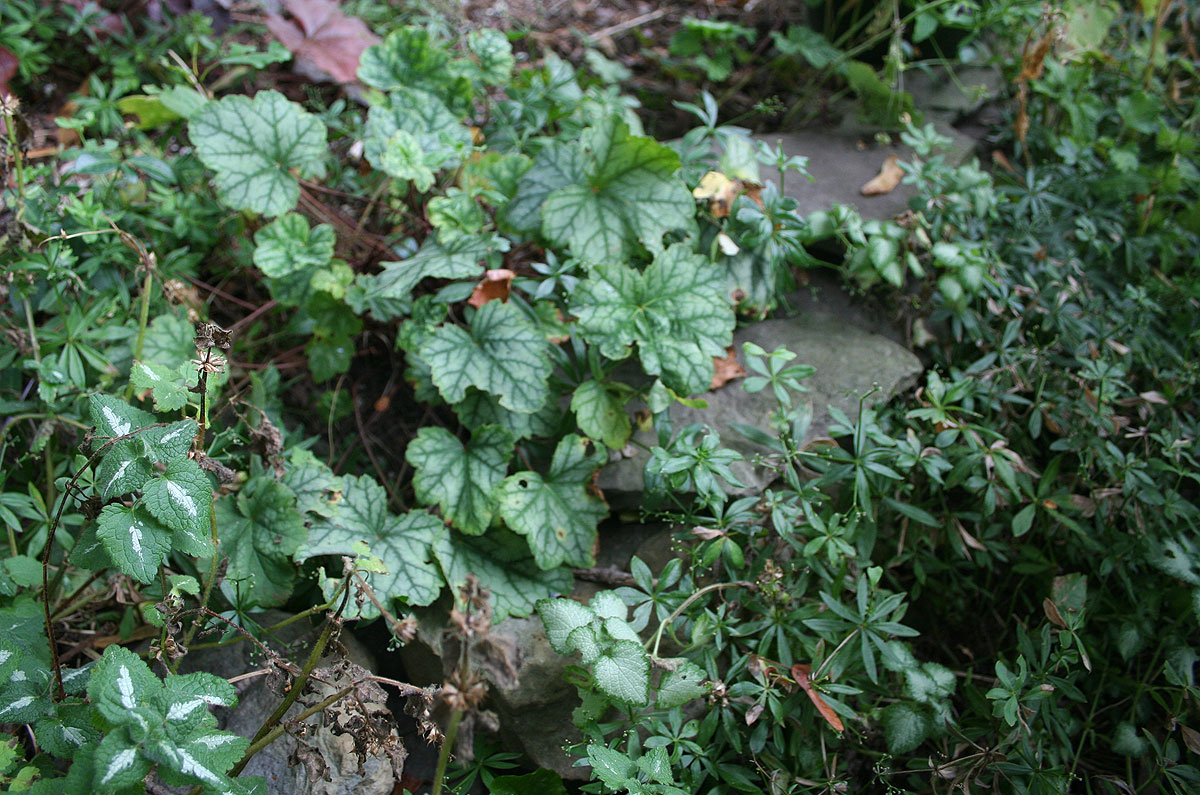
I also defended heucheras.

heucheras

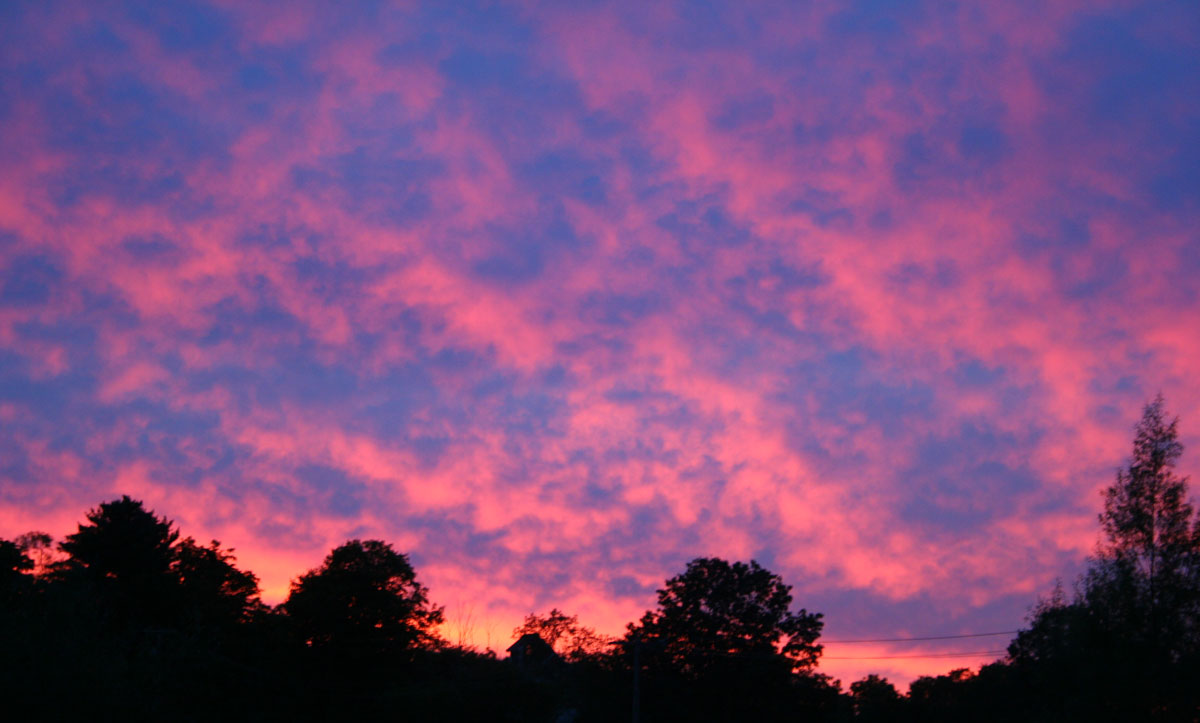
August has nice sunsets, too.

sunset

September

OK. The pace does start to slow in September. But it’s still one of the best times of year in these parts, if not the most floriferous.

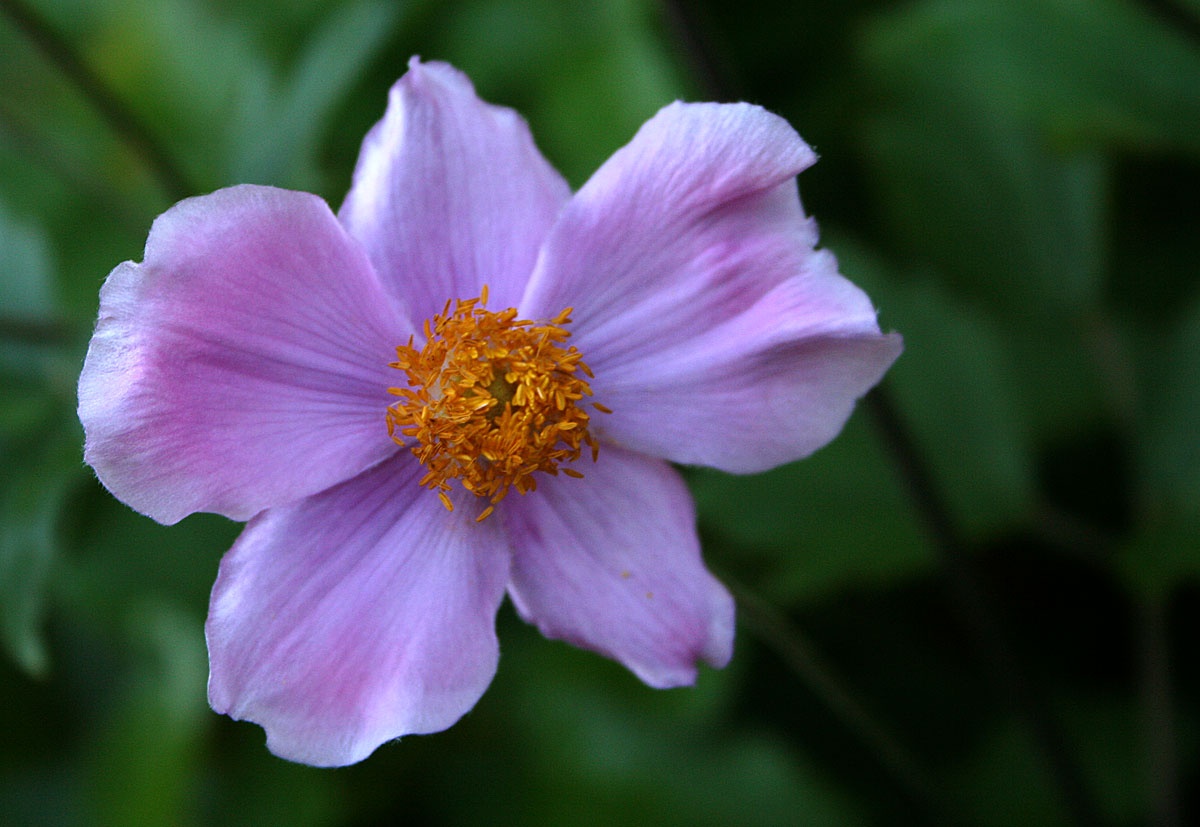
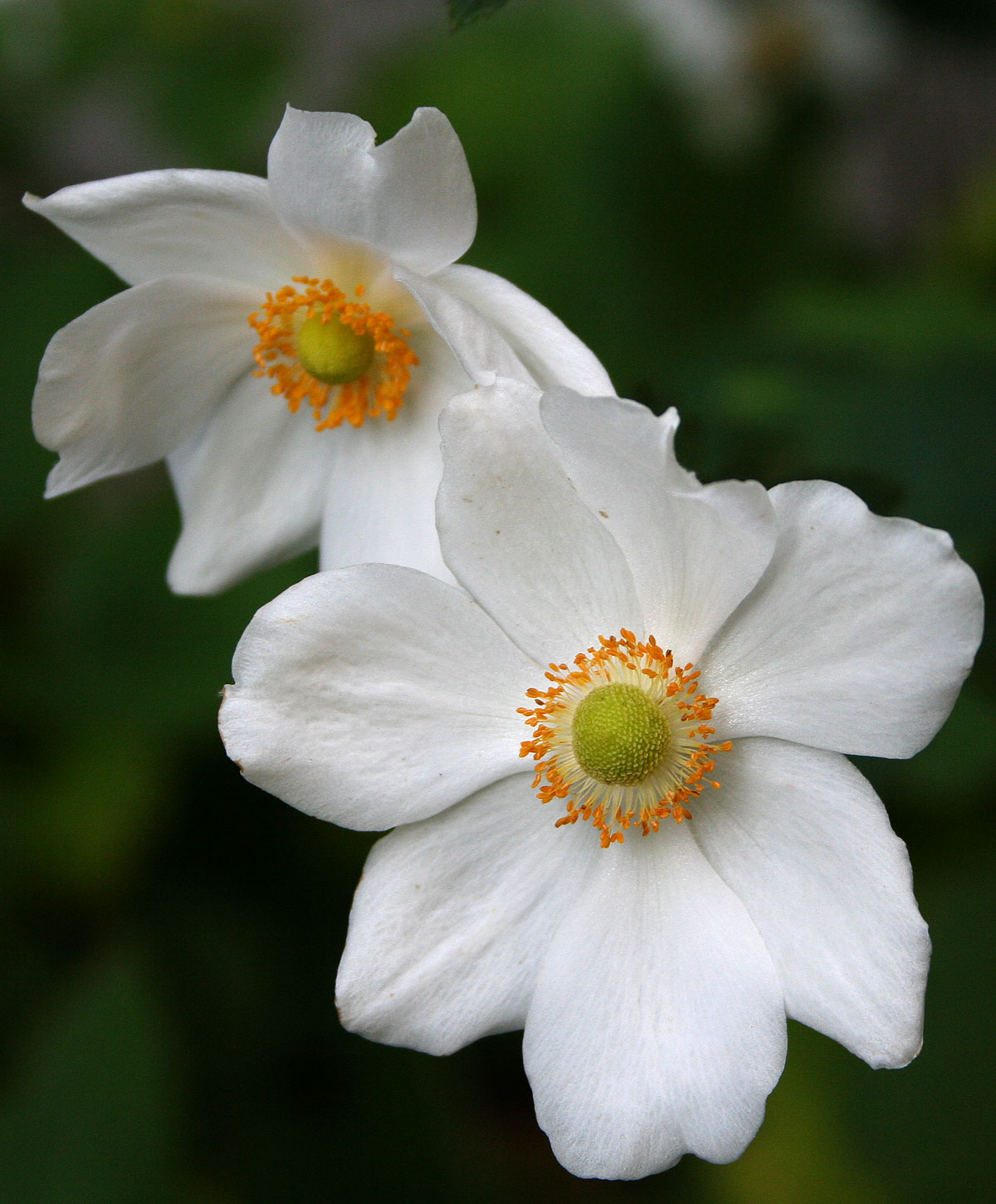
The colors are more subtle, like this anemone.

purples and violets

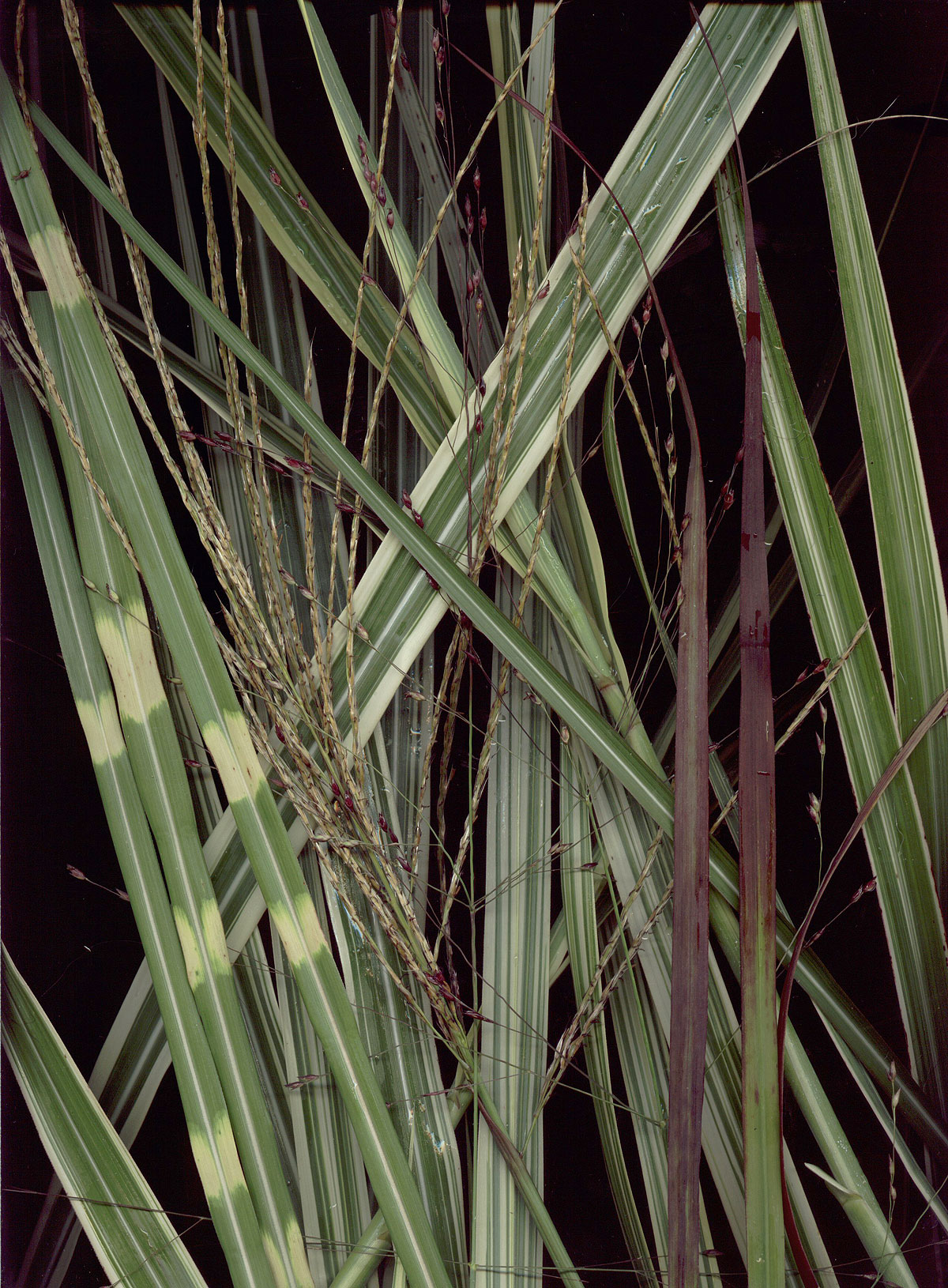
My favorite bloom day scan featured grasses, not blooms.

sept bloom day scans

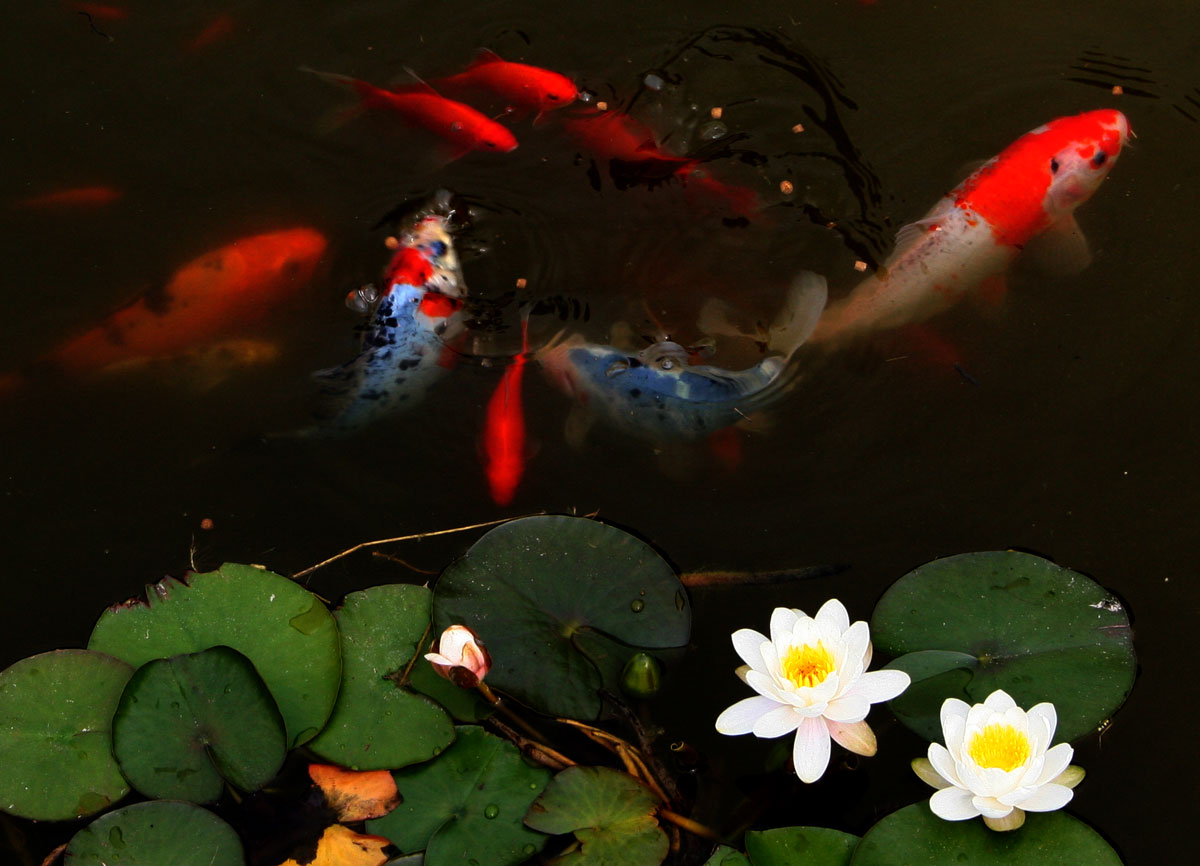
I featured my four (that’s a stretch) water gardens in the month’s Garden Bloggers Design Workshop.

water garden stuff

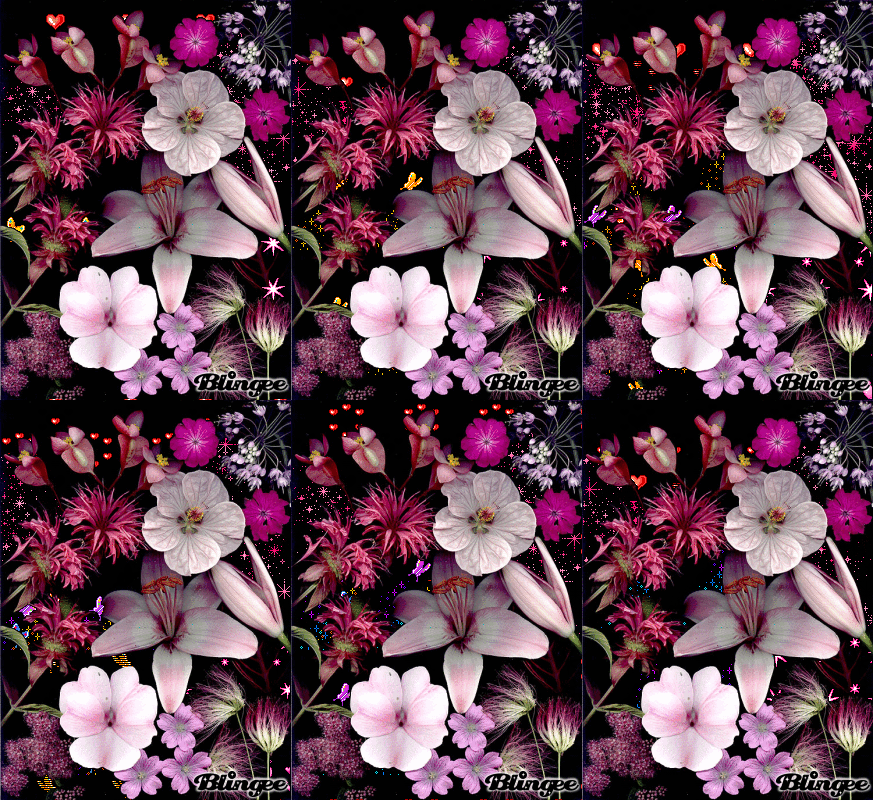
And on a rainy day, I discovered blingee.

blingee from scans

October

October is the month of frost and fall color. But that doesn’t mean there aren’t still some flowers around, like my fall favorites, anemones.

secret garden anemones

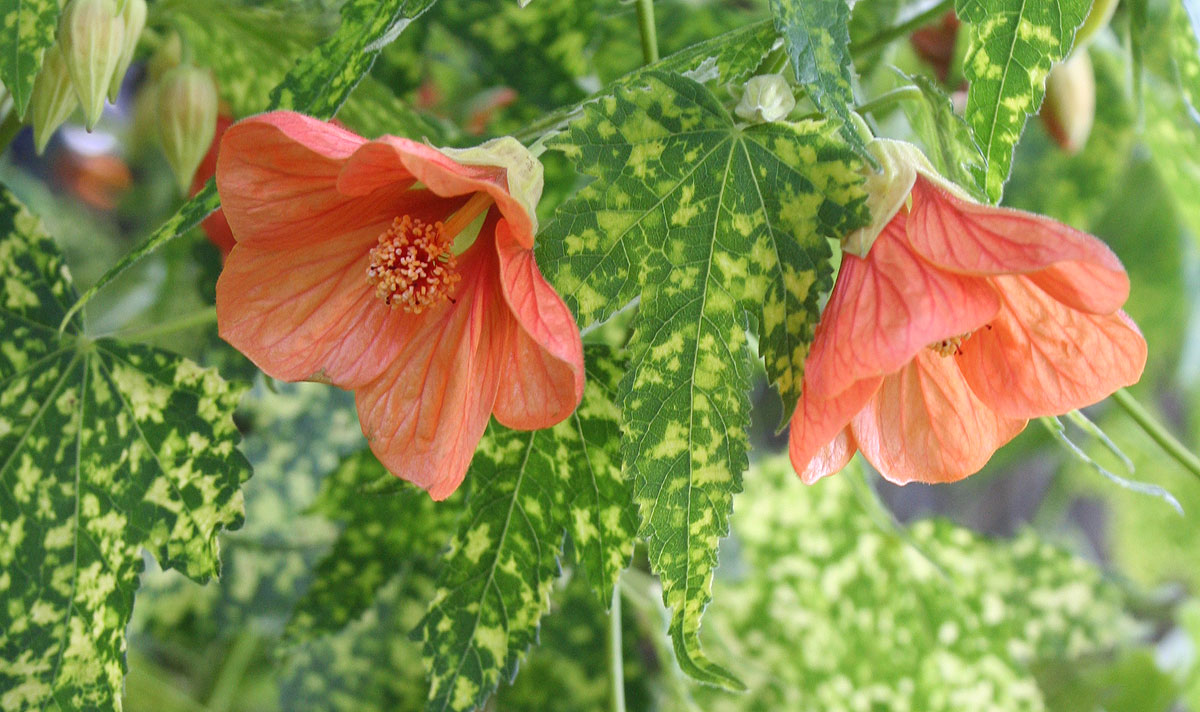
Abutilon pictum ‘Thompsonii’

some warm colors

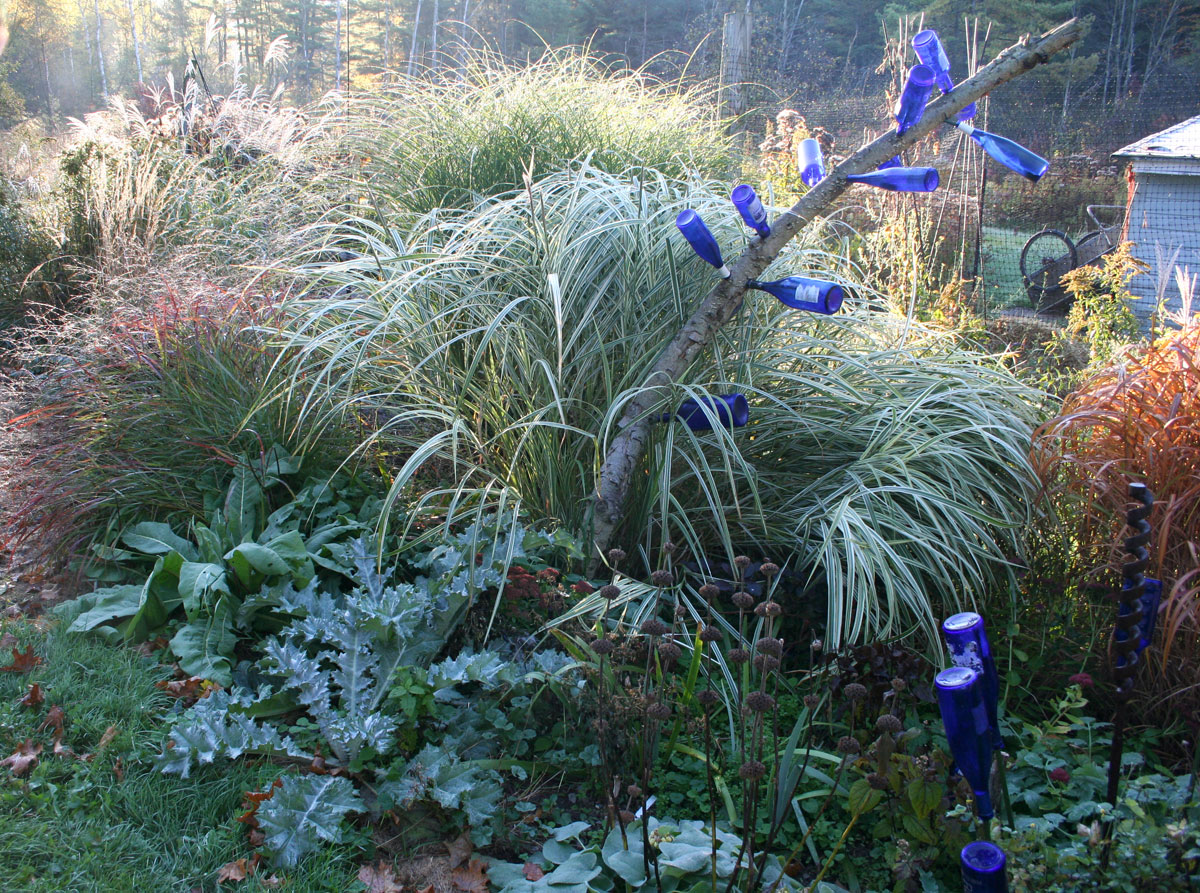
Grasses carry the weight in October.

grassy border

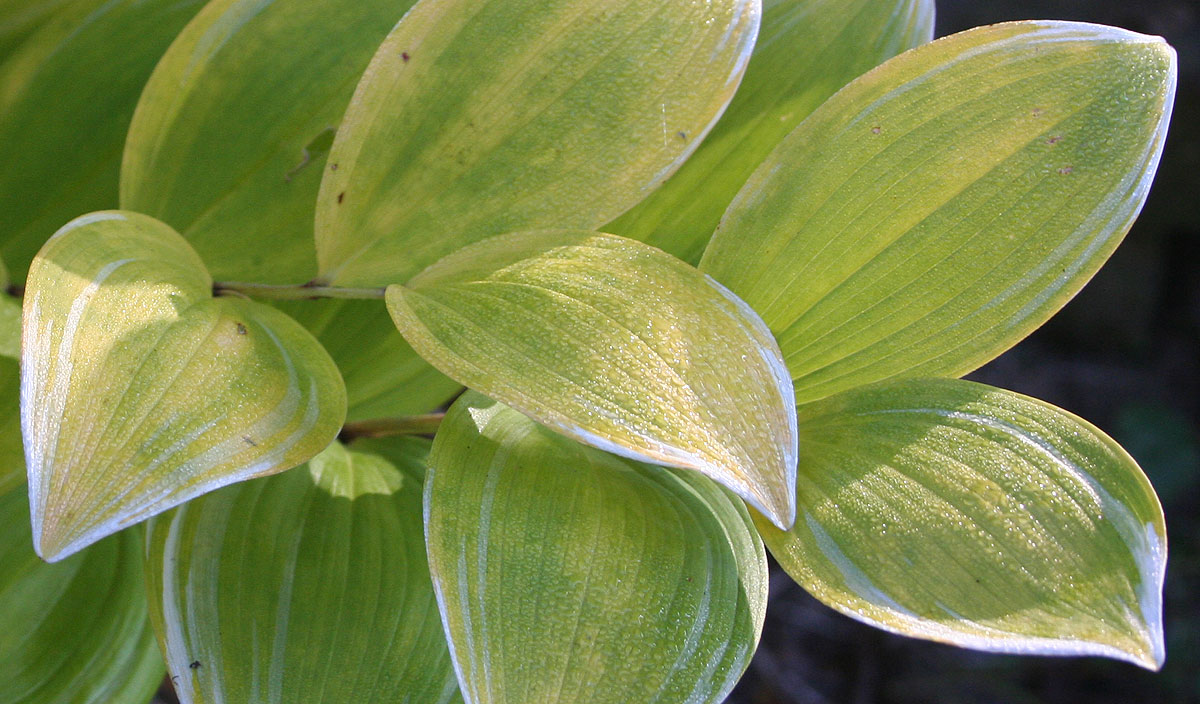
Fall colors start coming with Polygonatum odoratum ‘Variegatum’

Polygonatum odoratum 'Variegatum'

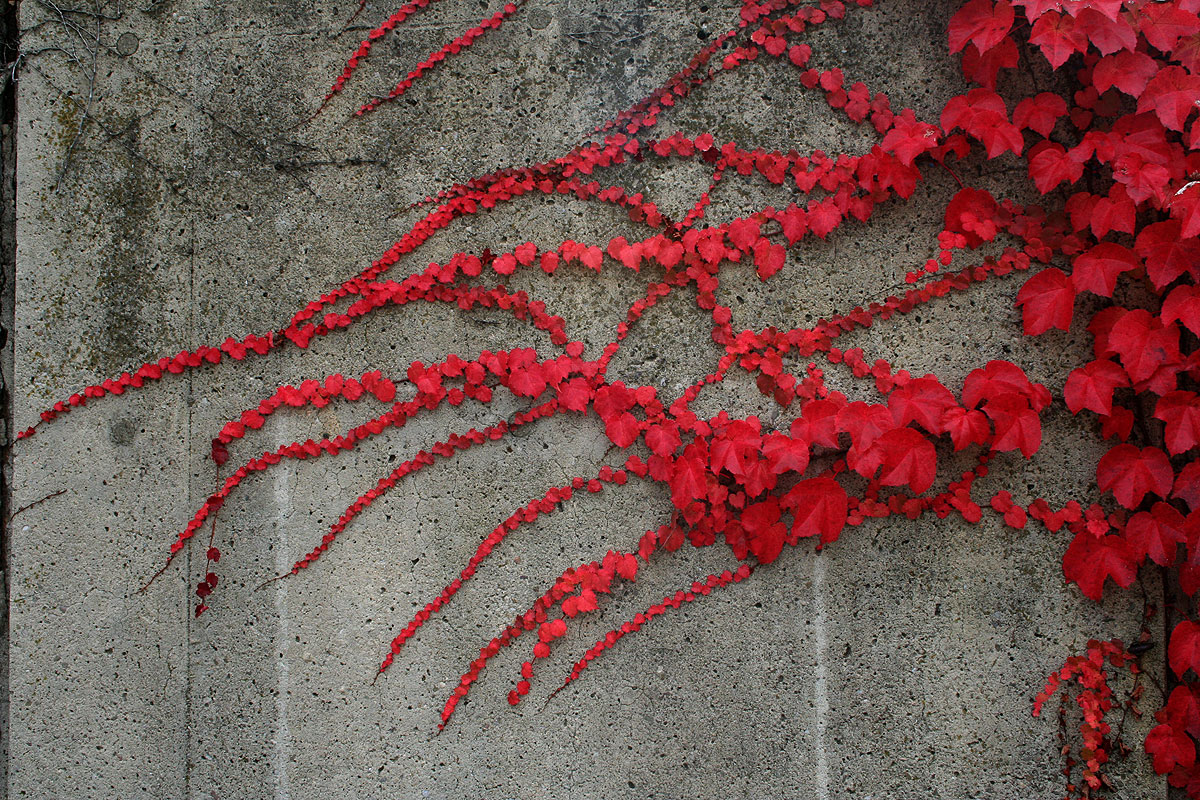
Ivy outside campus store.
campus color

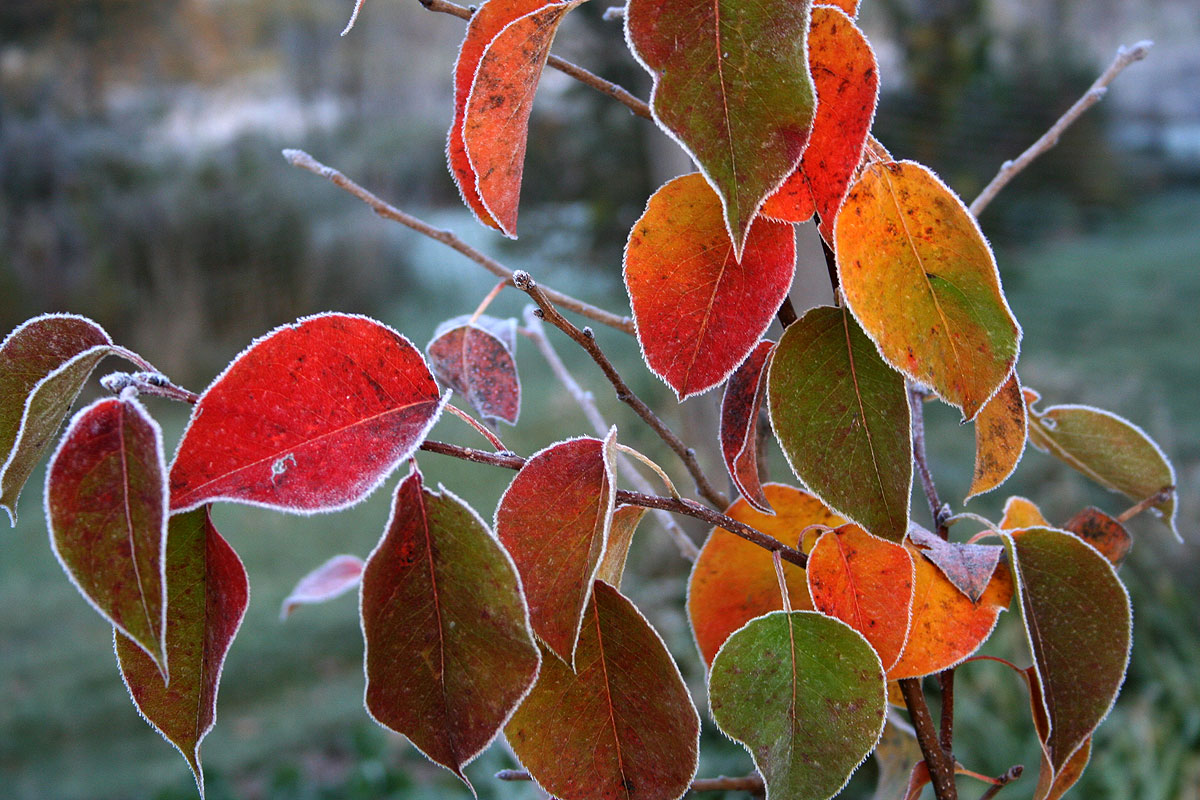
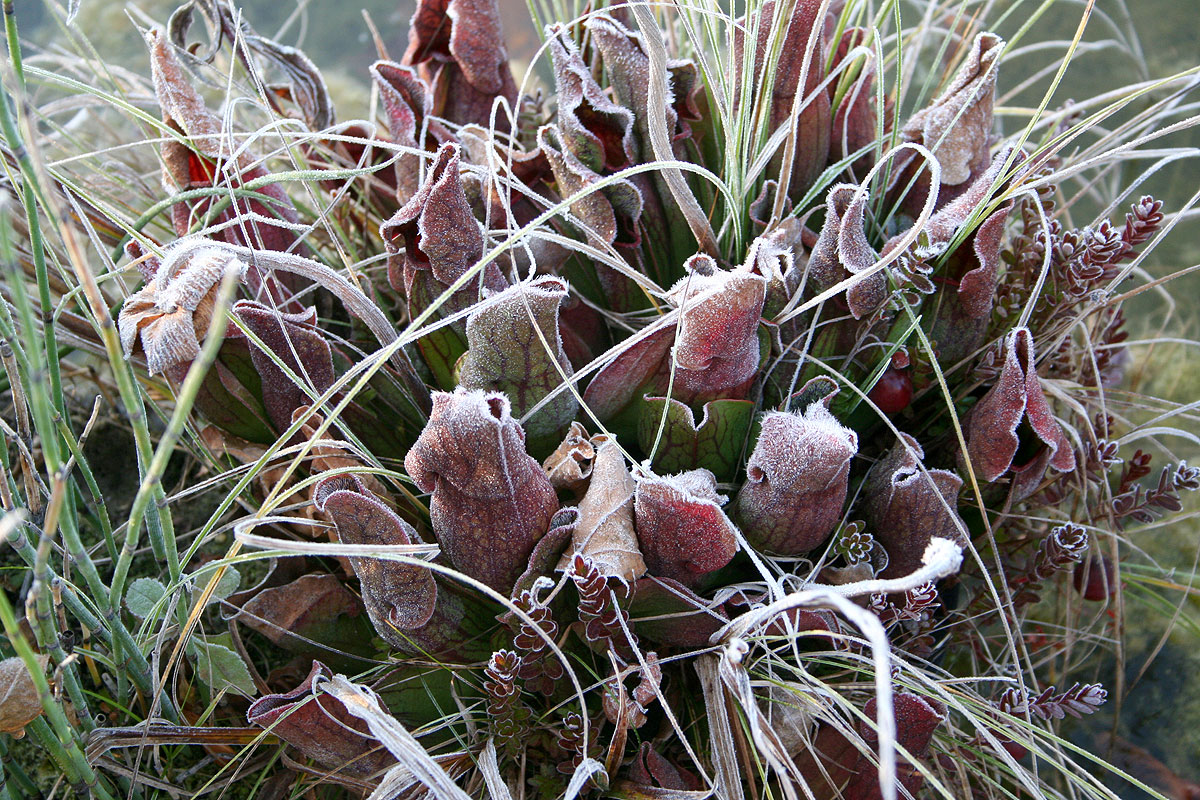
First frosts provide great photo opps …
Asian pear in the veggie garden.

2008 frost

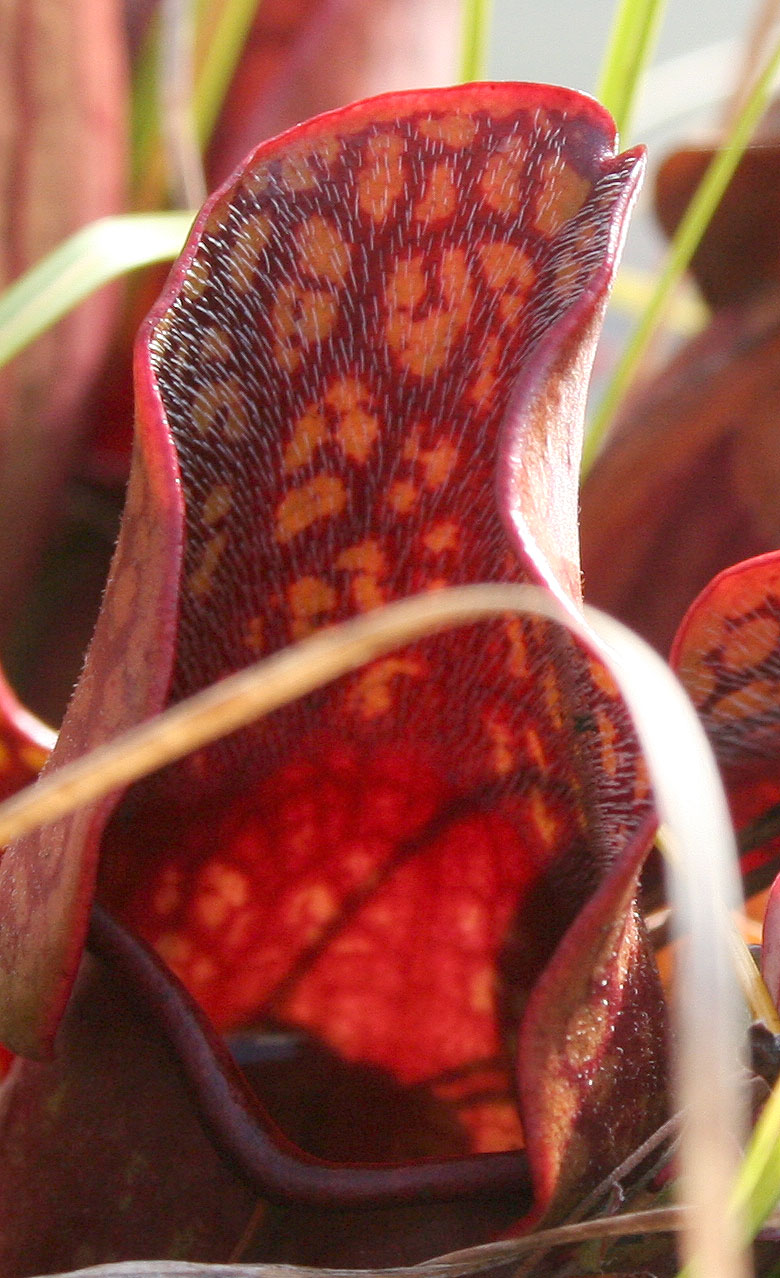
Pitcher plant

2008 frost

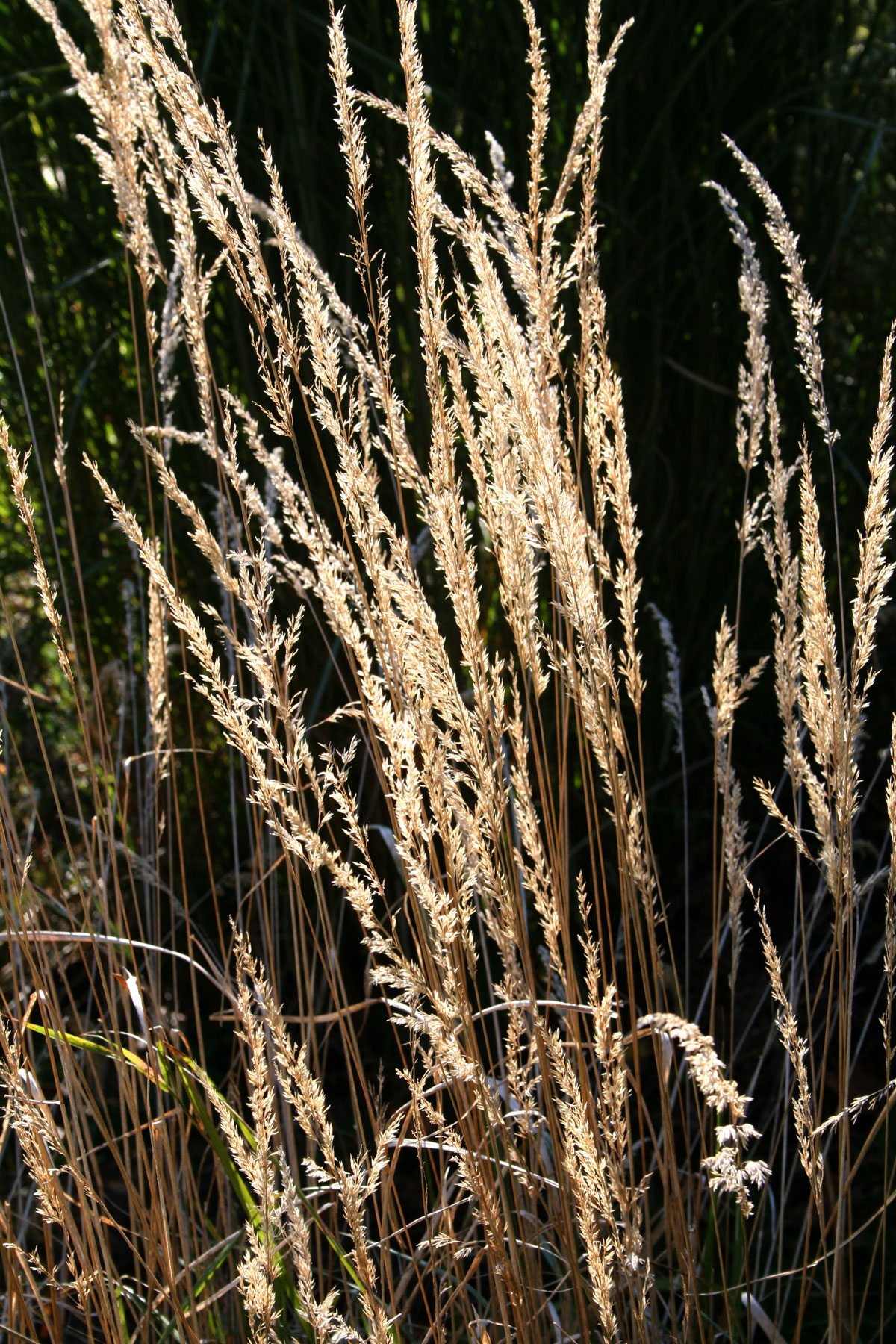
Backlit grasses usher in brown season.
fall pix

November

Fall color is where you find it, like this pitcher plant …

Sarracenia purpurea and Vaccinium macrocarpon

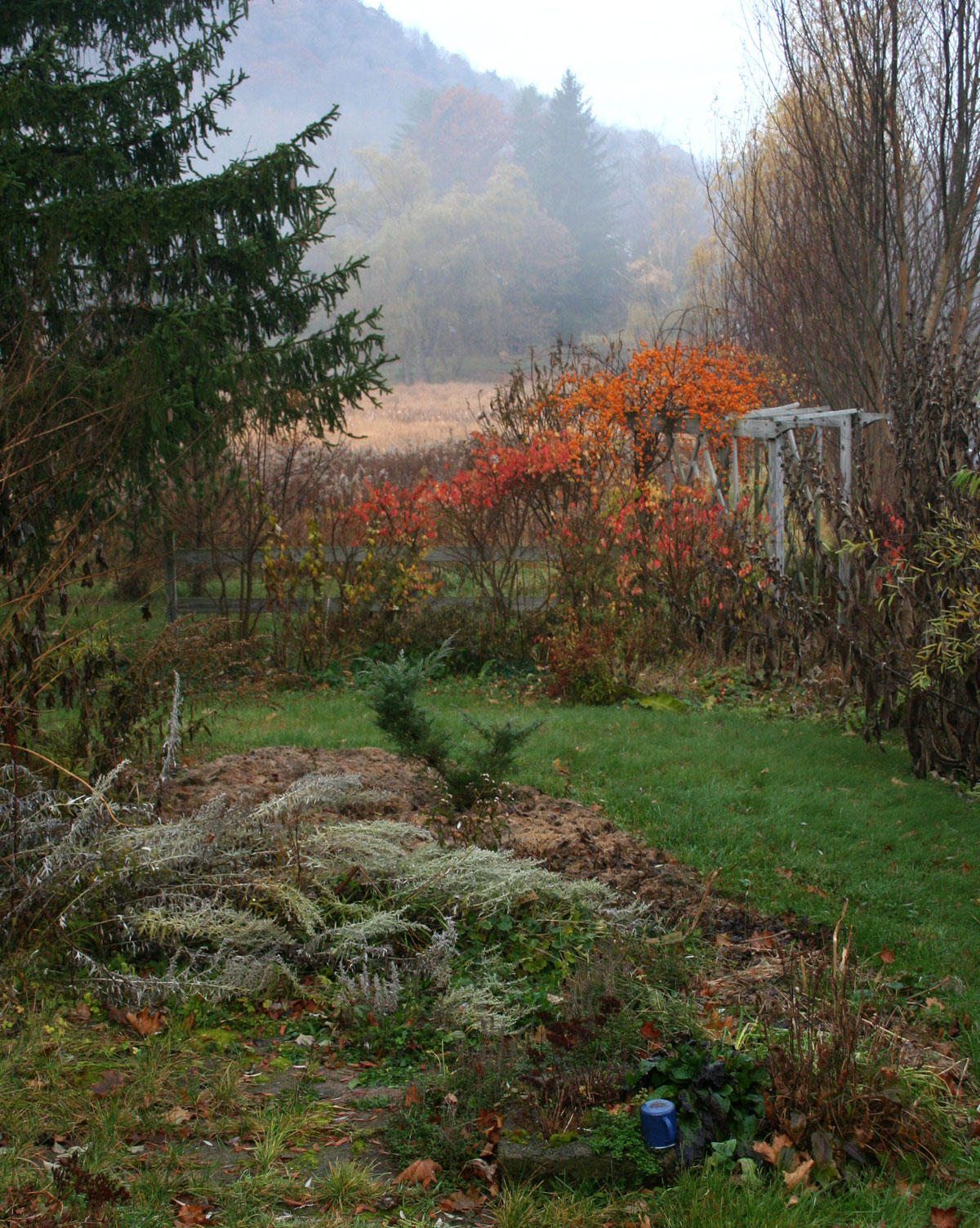
… and this bittersweet and borrowed scenery.

borrowed scenery

When there’s less to see looking down, you appreciate more the view looking up.

skywatch

January came in November [impressions | the real thing]


jan in nov impressions

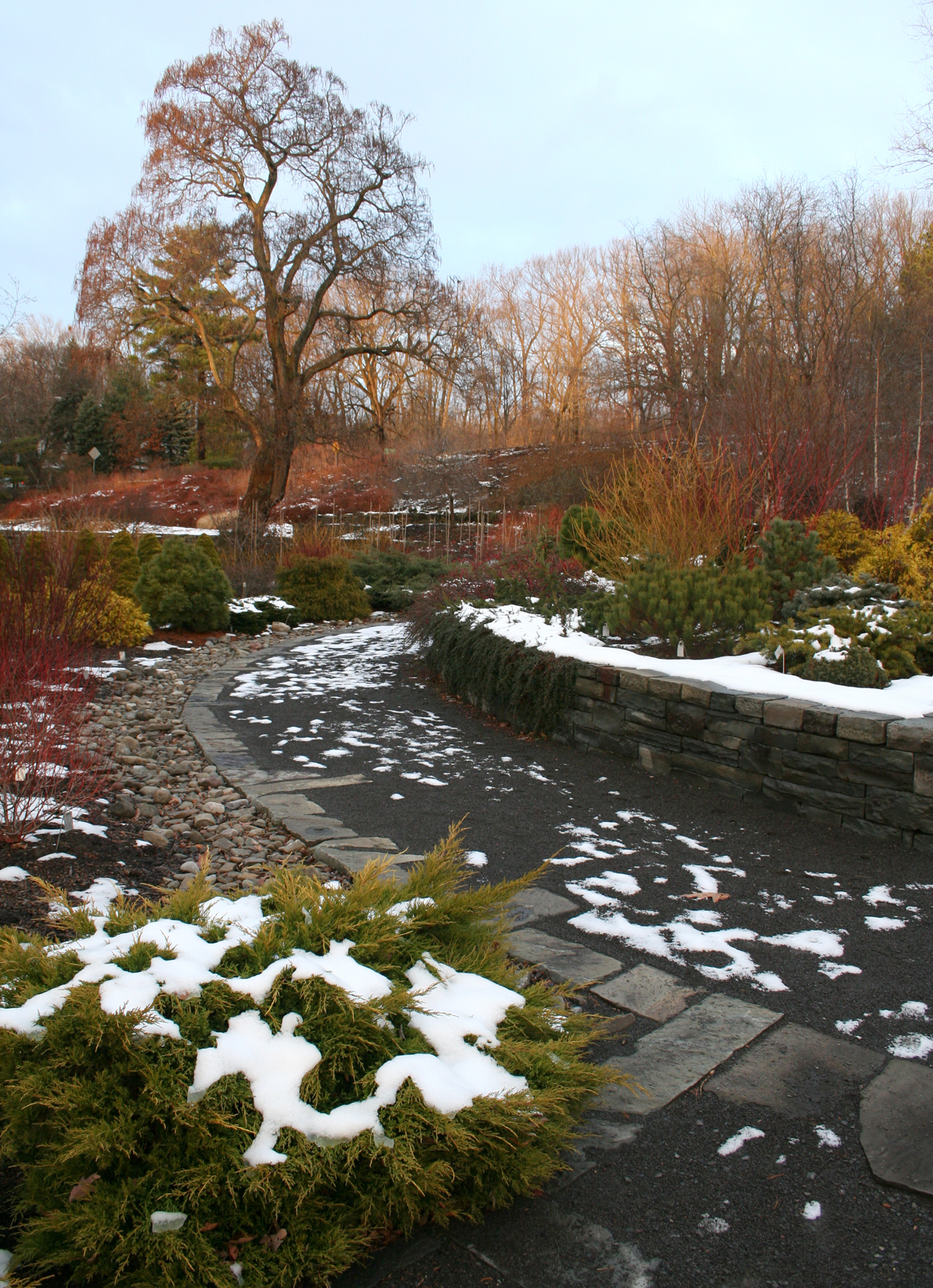
I visited the Winter Garden at Cornell Plantations as the light was waning.

winter garden

December

Check out the student projects from Cornell’s Art of Horticulture class.

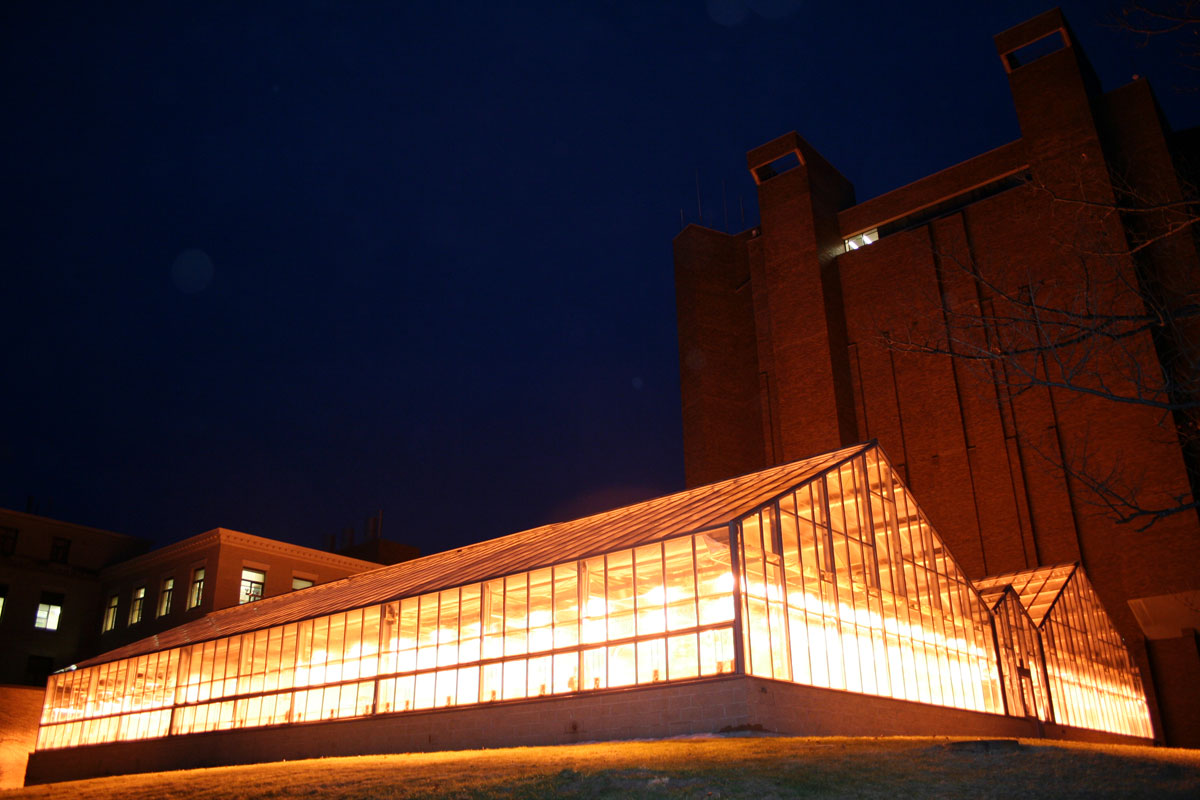
Glowing greenhouses make leaving work after dark a little less depressing during these SAD-inducing months.

ugly mix

And I’ve now got a passable scan for December for my planned 2010 garden scan calendar.

december 2008 scans

Thanks for visiting and commenting. Best wishes for the New Year.

2008 Year in review (Part 1)

The obligatory (and hopefully entertaining) look back …

January

Not much happening in the garden, so it was a good time to think about ordering seeds and plants (unfortunately, they’re more than 5 cents a pack these days, unlike these old packs) and sharing stories about the great bowling ball accident of 2003.

castor bean seed packet

While there were no blooms (or scans), there was surprisingly much to photograph on a very warm January garden bloogers bloom day.

The ridge in January

February

February is for forcing
.

forced bulbs

And time to fiddle around with PhotoShopping that month’s bloom day scans and chase away the merry blues with Manu Chao.

bloom day scan feb

Had a sunset picture grace a CD cover.

Read and reviewed Tulipomania. Added my two cents (and a ton of pictures) to the Garden Bloggers’ Design Workshop – Color in the Garden edition.

March

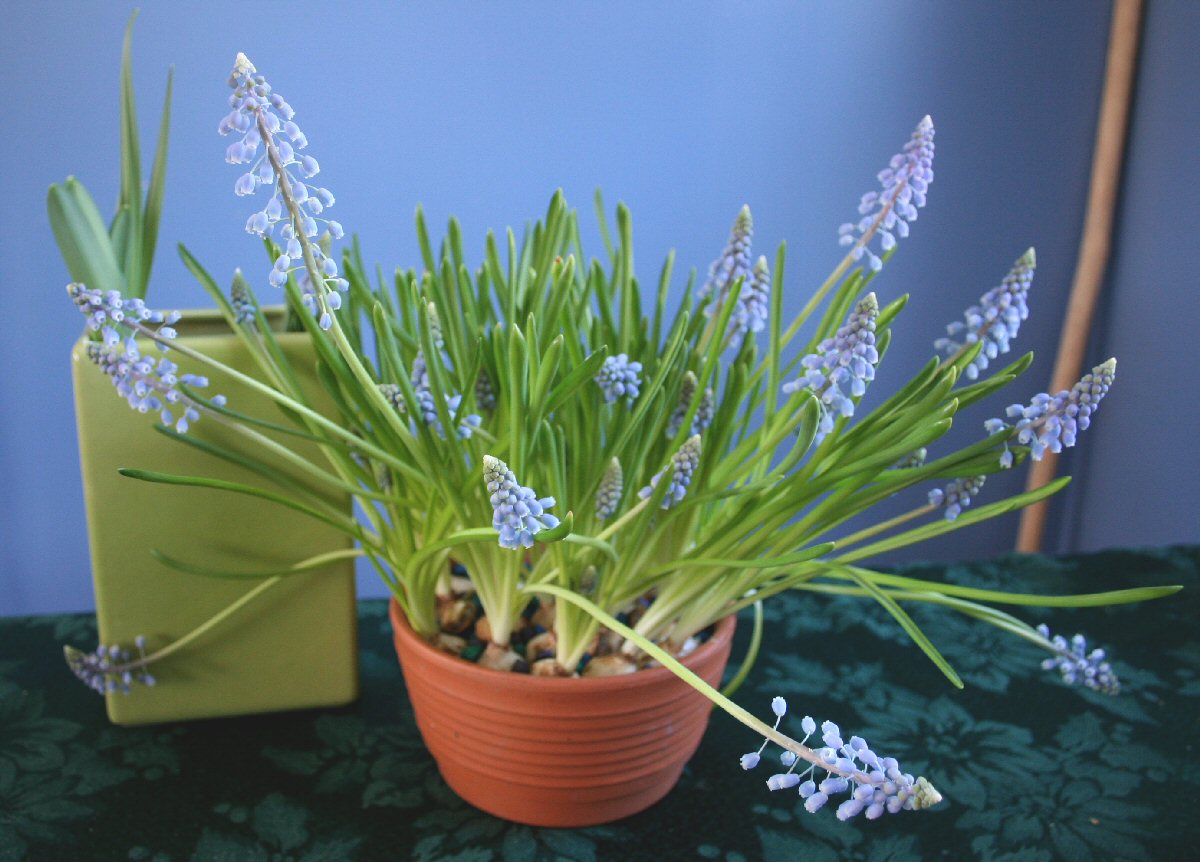
I love March, if only for its excitement. There are the forced bulbs in flower

forced bulbs

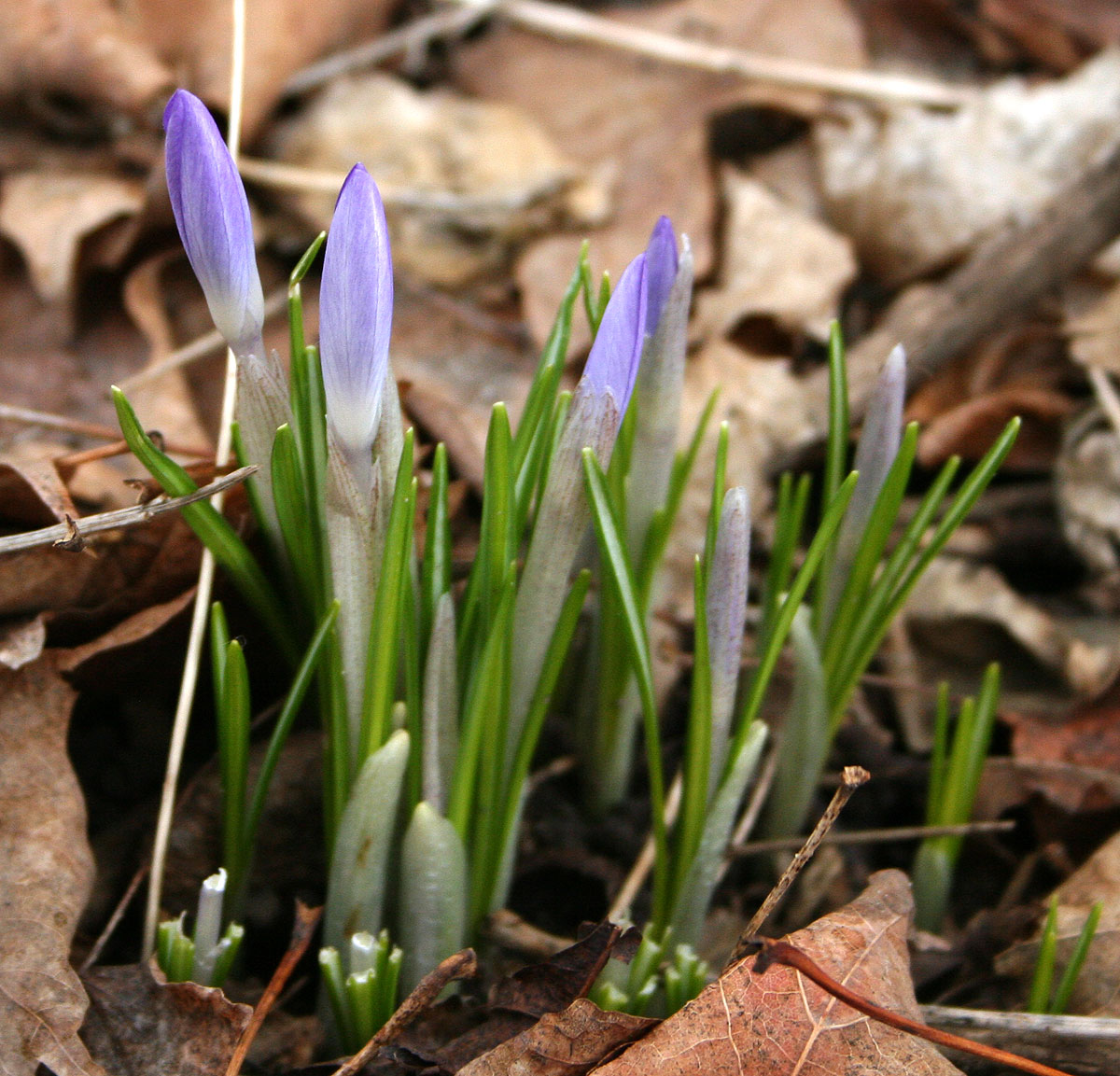
The first of the spring ephemerals

crocuses

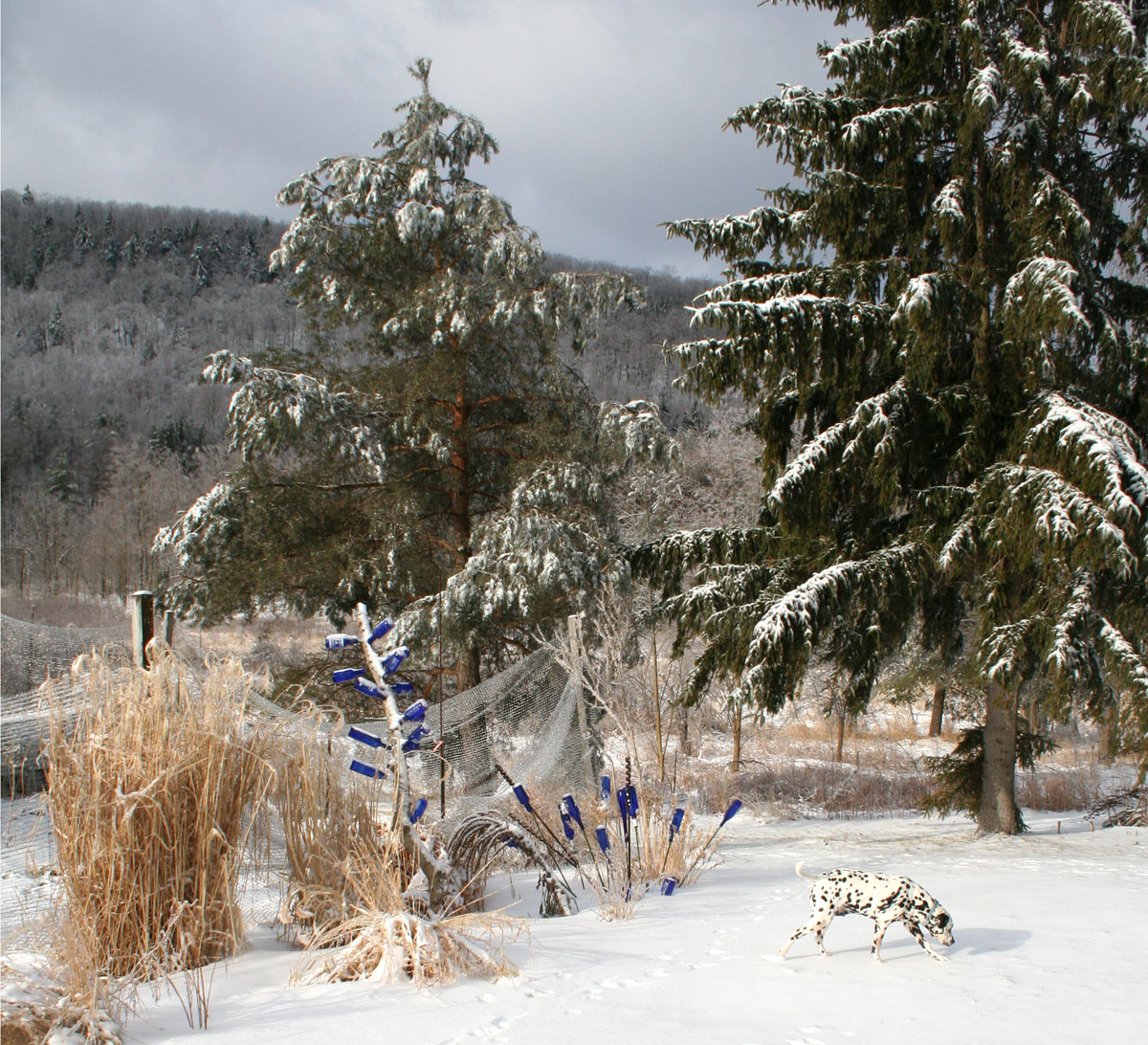
Then back to winter, hell and high water.

Fred and bottle tree

By Easter, plenty of signs that spring is on it’s way …

Iris

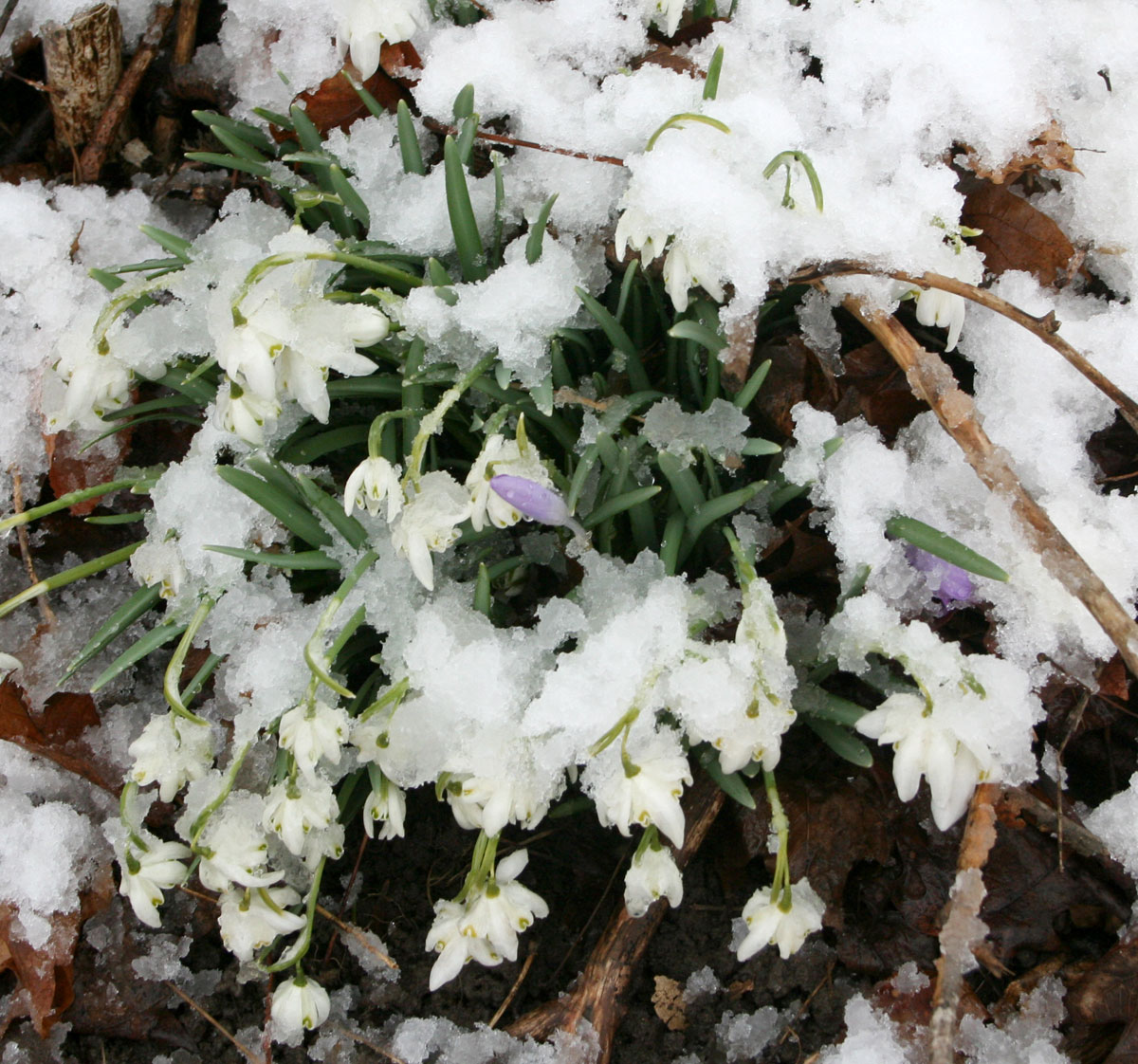
Then more snow. There’s a reason they’re called snowdrops, you know.
snowy snowdrops

April

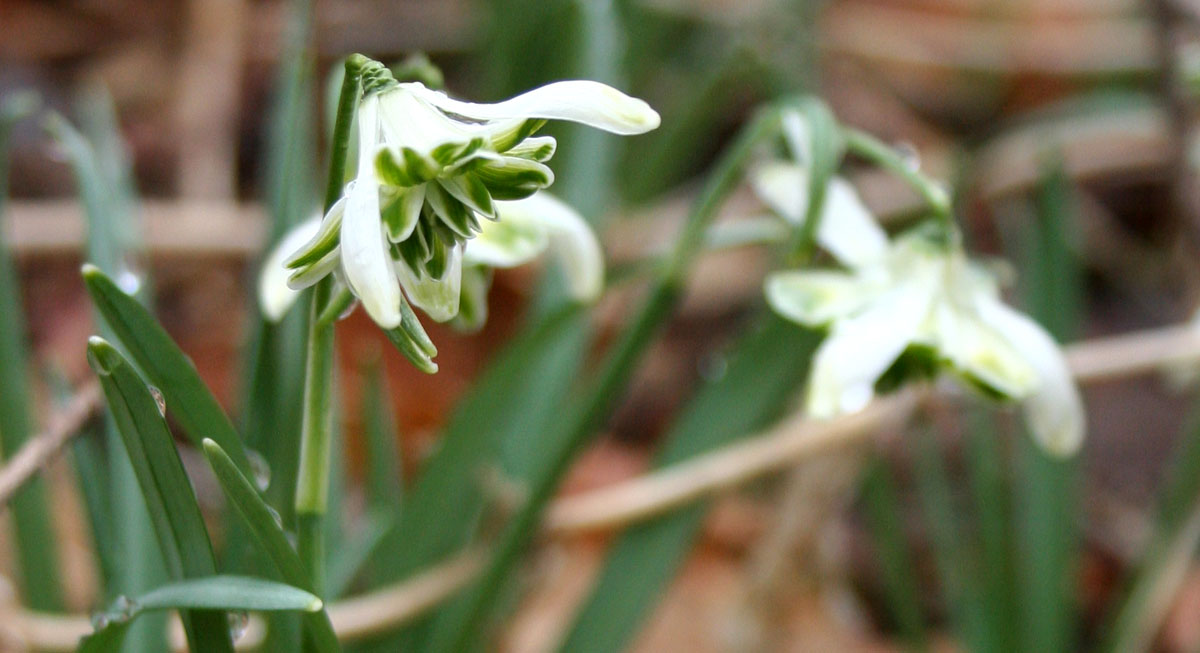
Speaking of snowdrops, April brought the open house at snowdrop collector Hitch Lyman’s garden.

snowdrop

And the spring ephemeral peak at my place. Crocus …

ephemerals

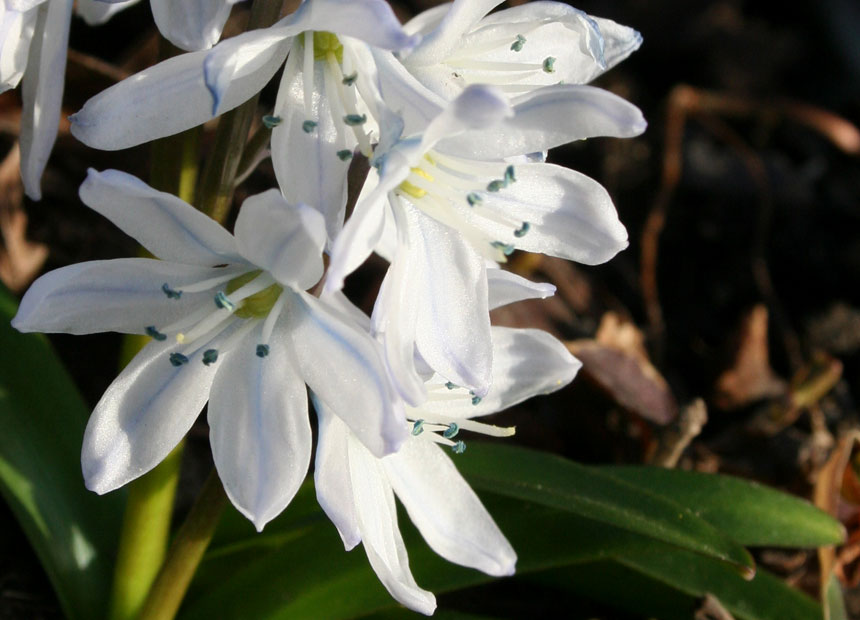
Puschkinia.

scilla i think

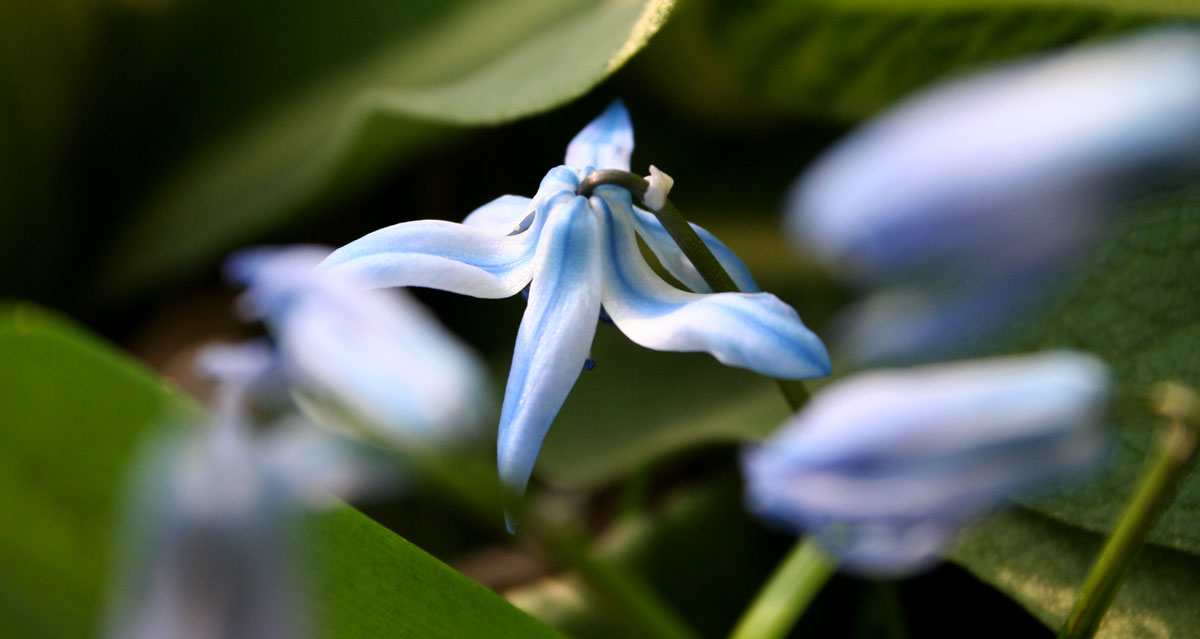
Hyper-spring also brings scilla …

scilla siberica

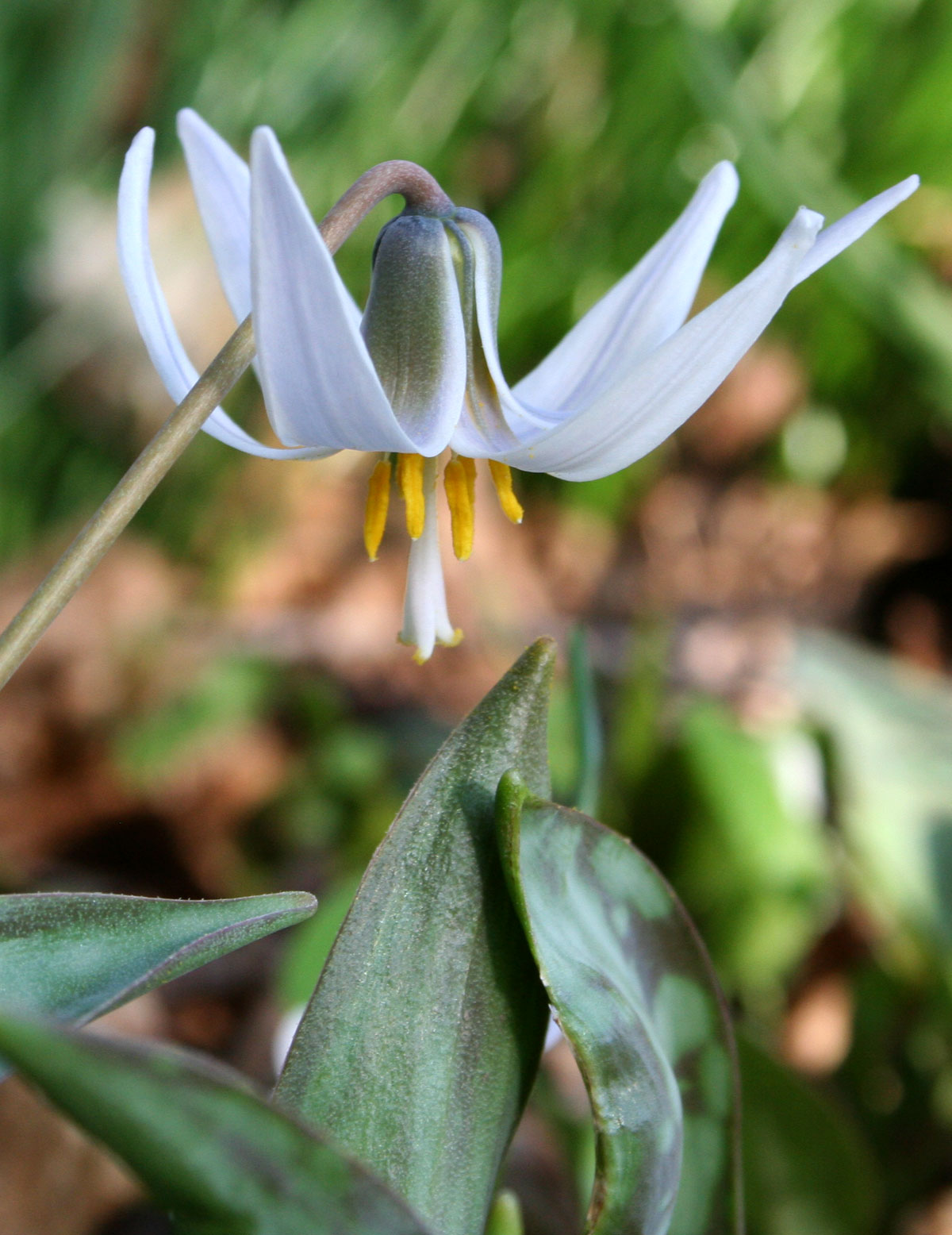
… and erythronium.

trout lily

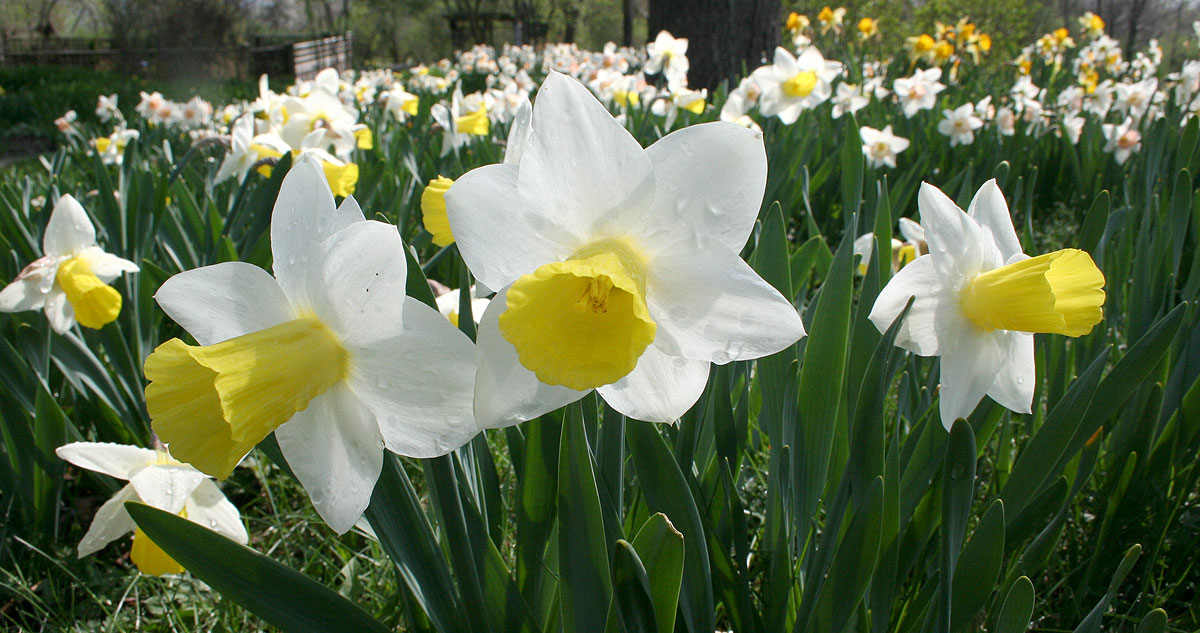
And by the end of the month, a bazillion daffodils, these at Nina Bassuk and Peter Trowbridge’s annual open house.

daffs

May

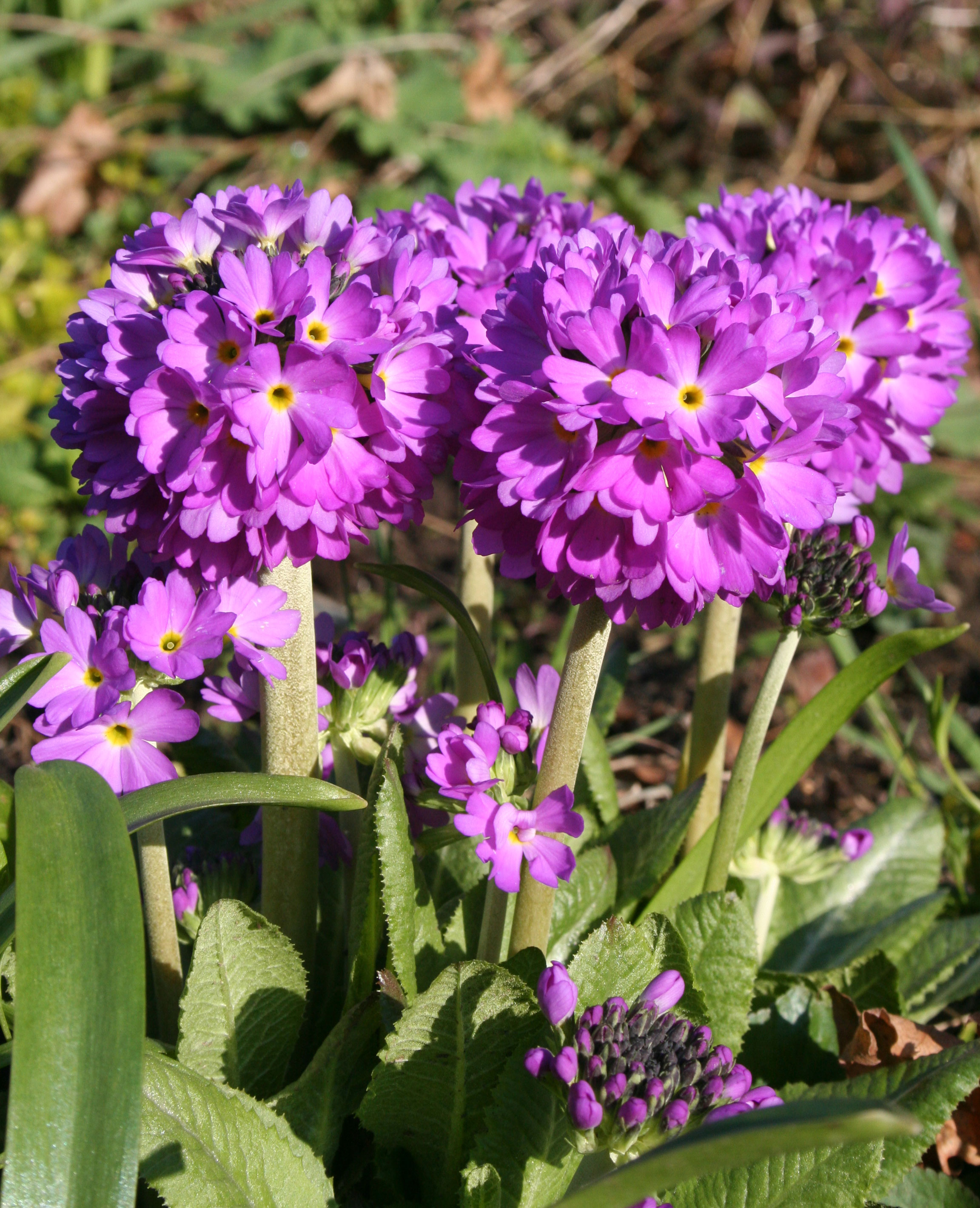
Spring continues full bore. Purple primrose …

mertensia

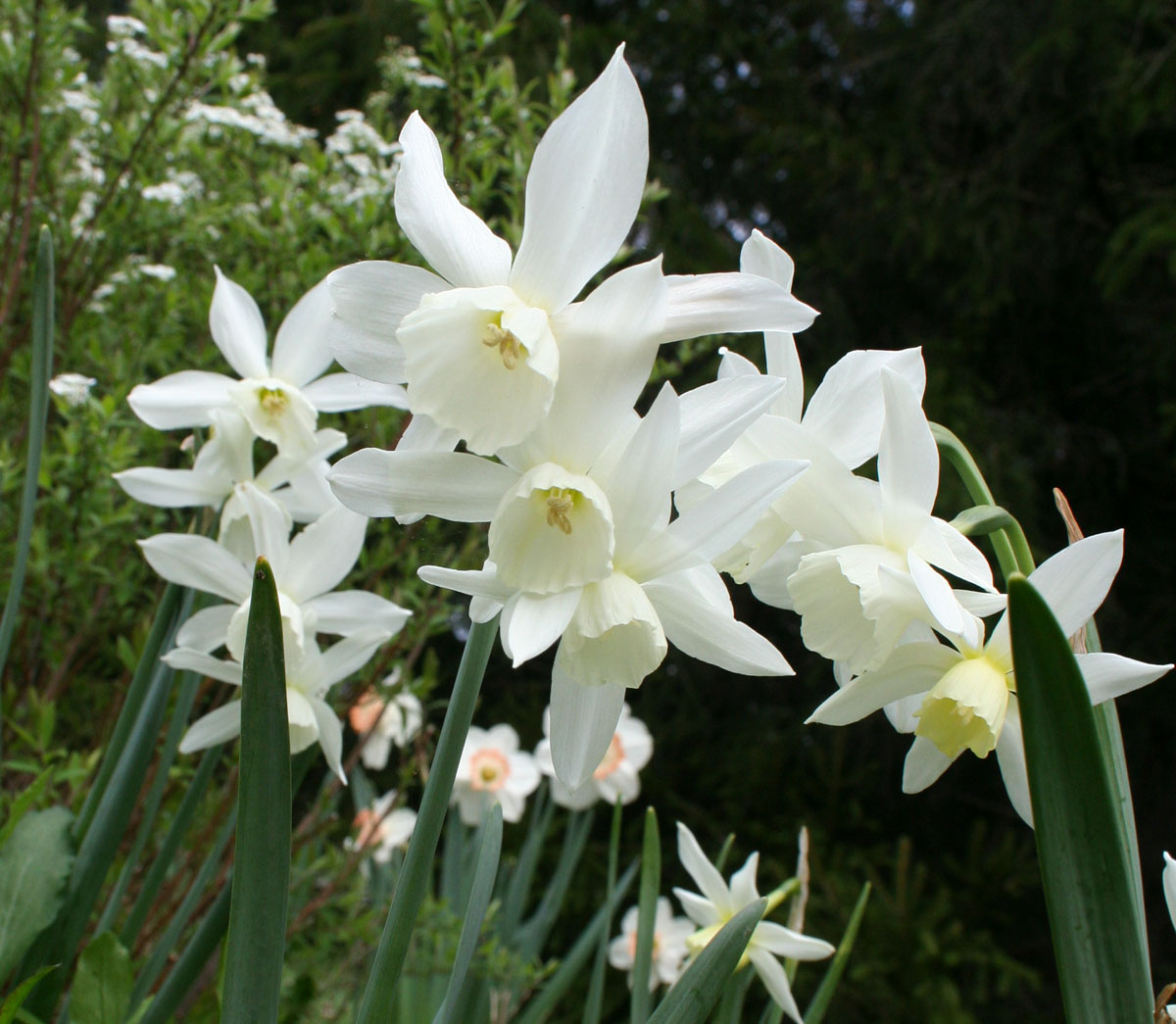
Thalia daffs

angelic daffs

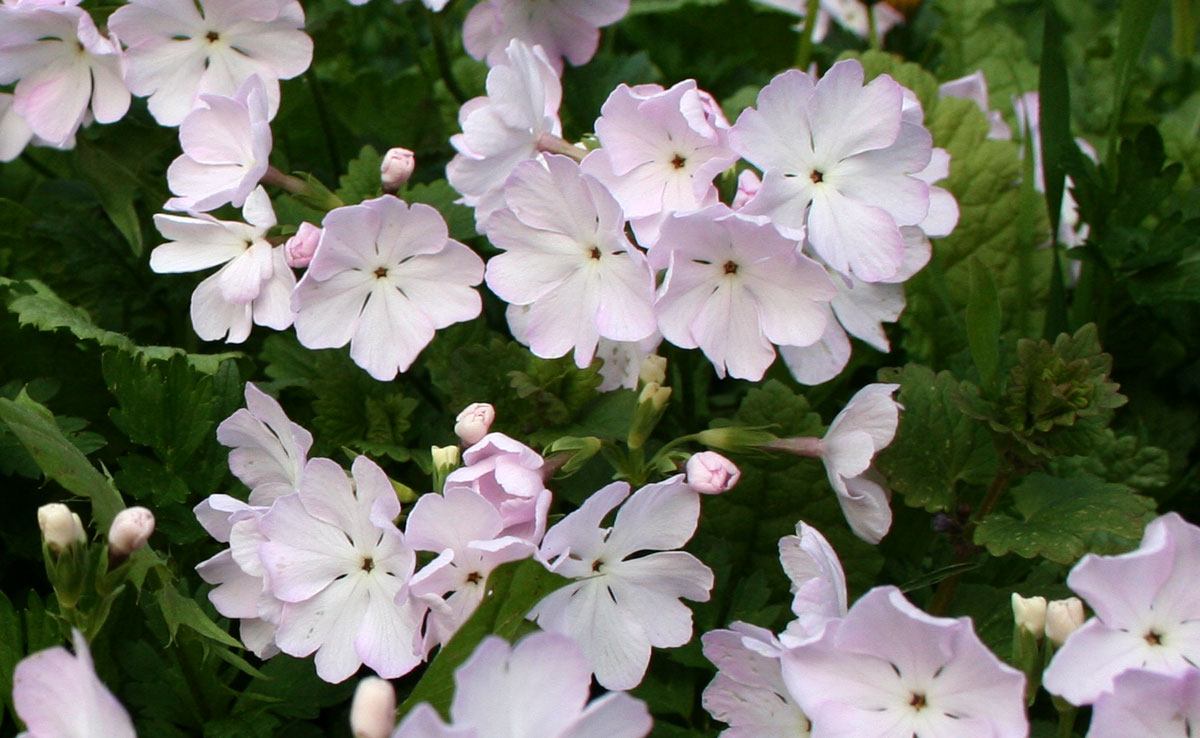
Sakuraso primrose

Sakuraso primrose

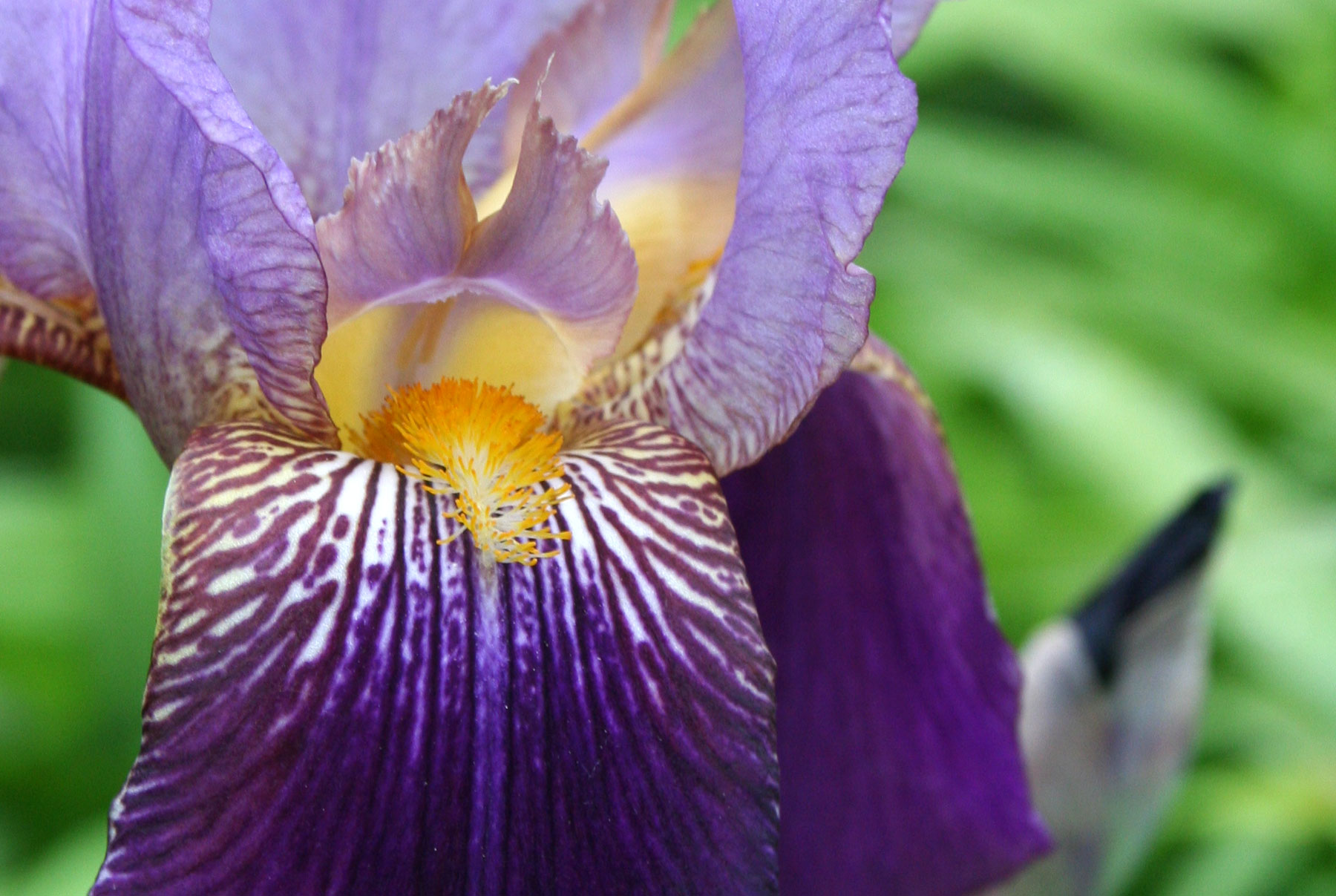
…an iris from Marcia’s garden

marcia's garden

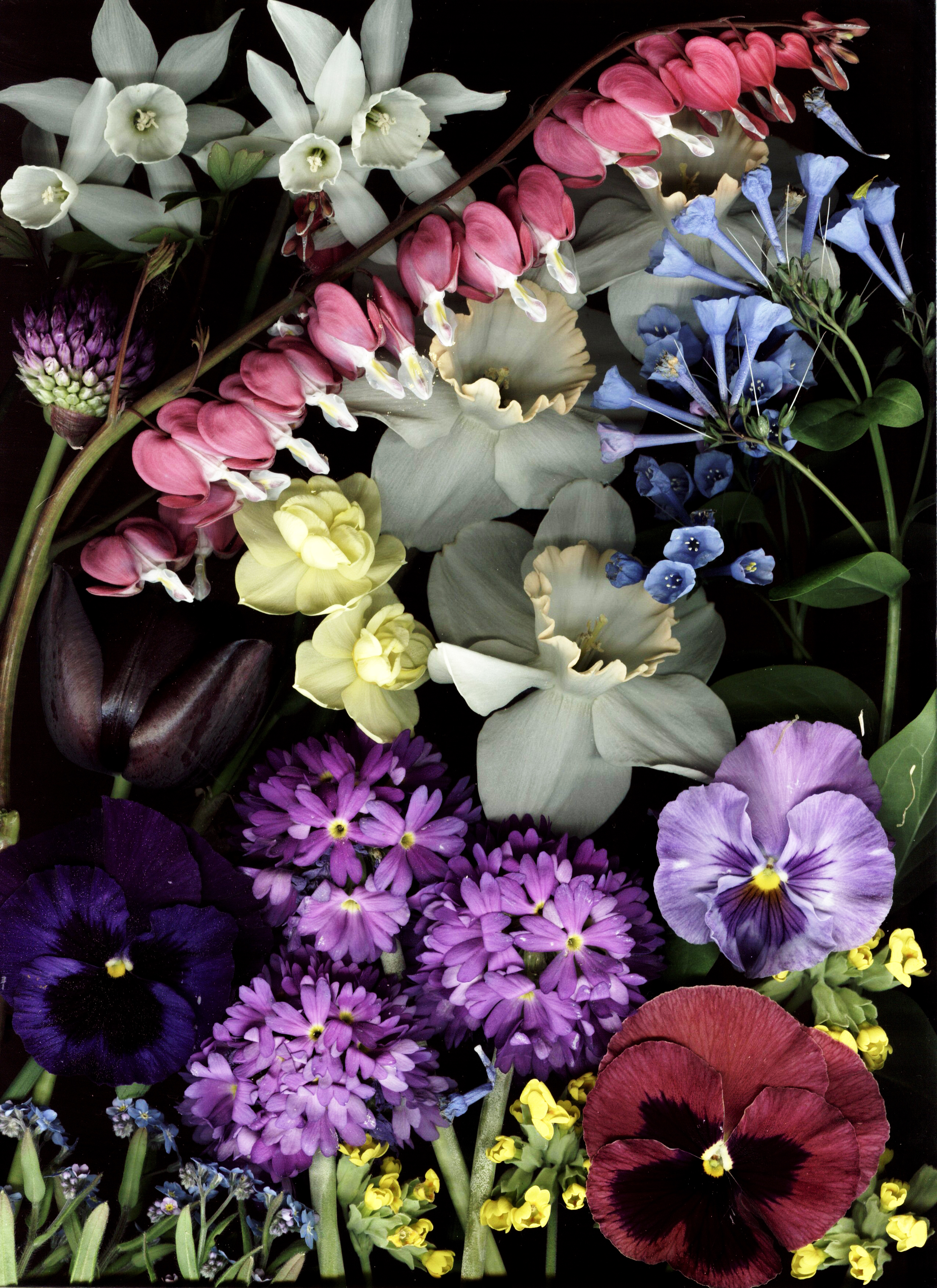
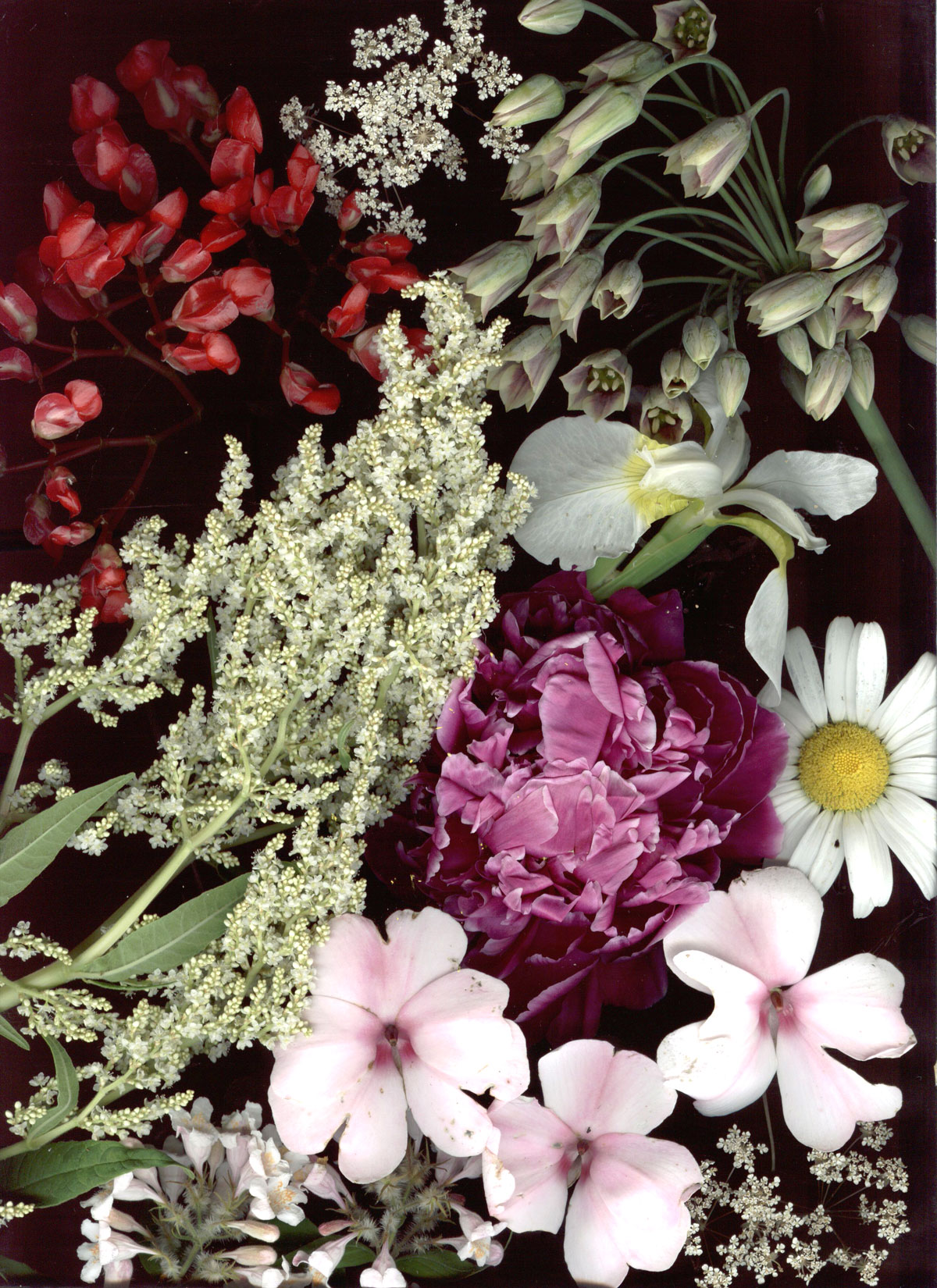
… and many more in this bloom day scan.

may scan with hard light effect

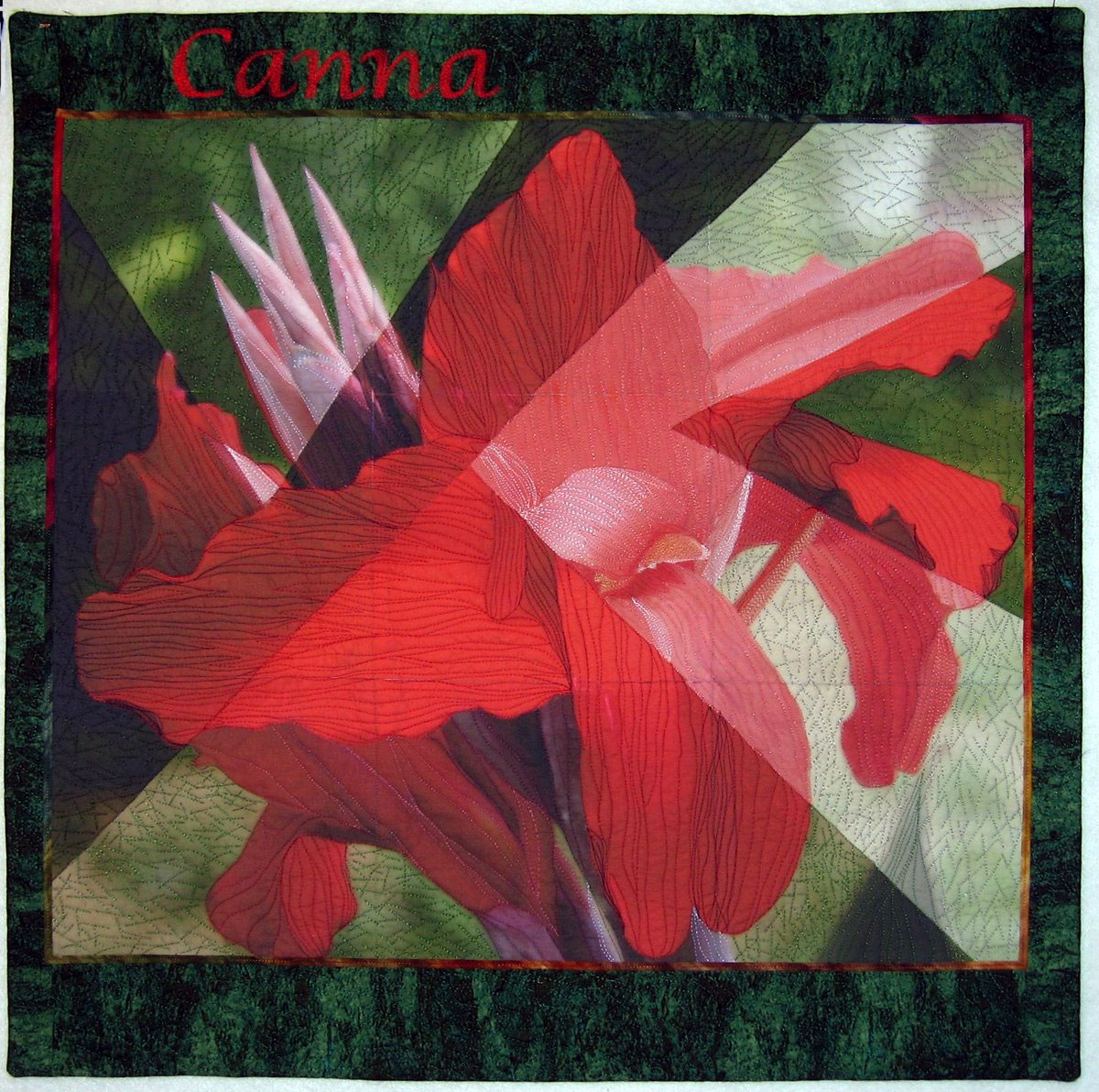
In the world of art, Quilter Lisa Ellis used one of my canna images for this work of art …

canna quilt

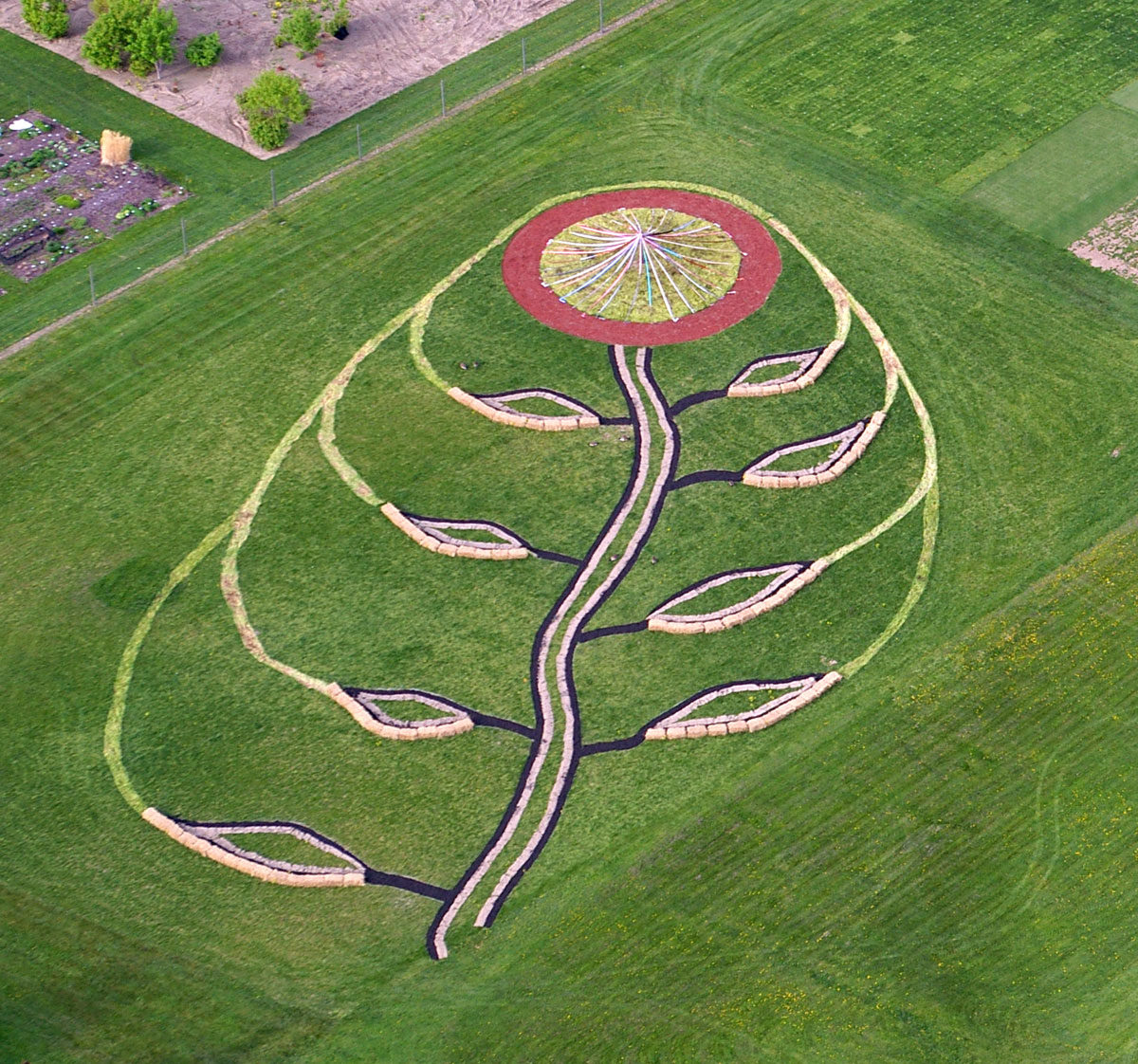
… Cornell students built this Turfwork! project

Turfwork! from the air. Photo by Peter Cadieux

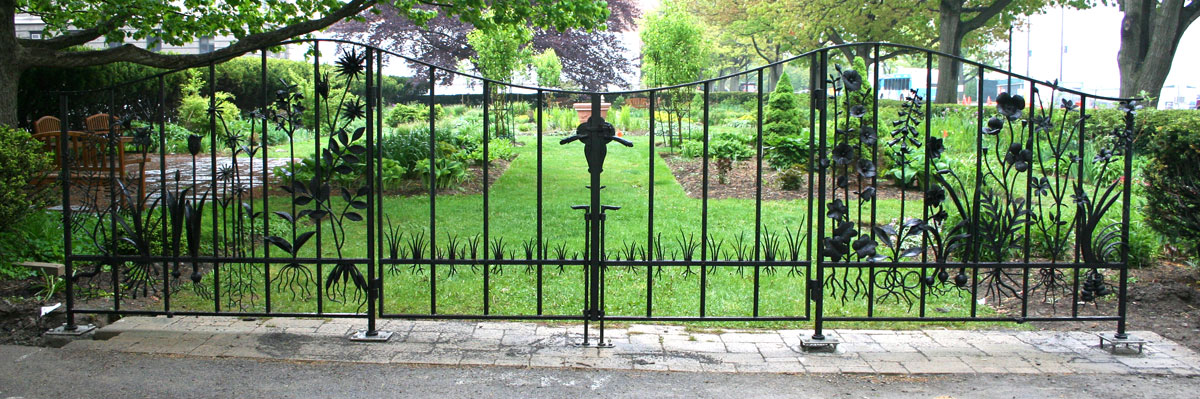
… and Durand Van Doran built this fabulous floral gate — roots and all — in Minns Garden outside the building where I work.

Minn's garden gate

And we are reminded that there’s nothing new under the sun.

June

Some theme posts in June, because there’s so much to cover you’ve got to do some lumping. One on openings

openings

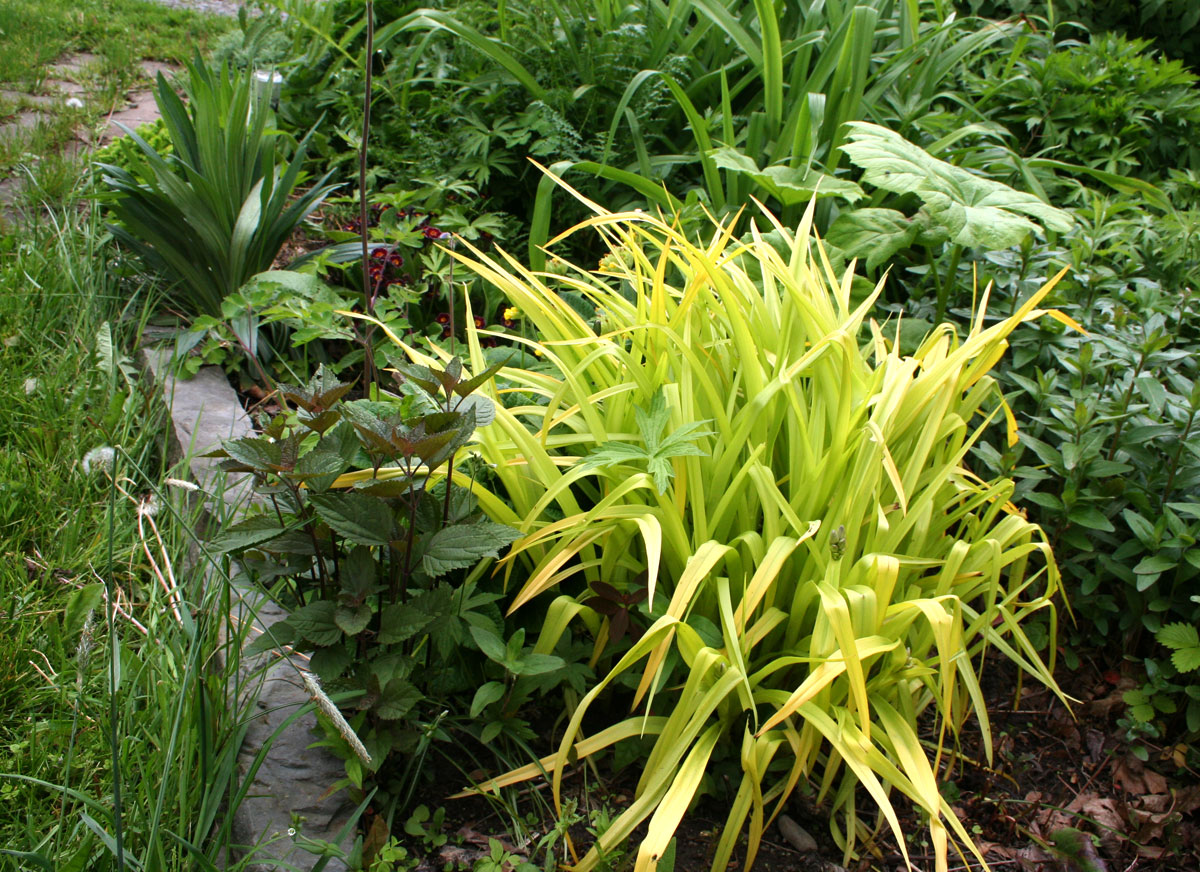
,,, another on chartreusey stuff …

chartreusey

… too many blooms on bloom day to fit onto one scan …

june scan

… actual bloom day pictures to go with the scans …

goatsbeard (Aruncus)

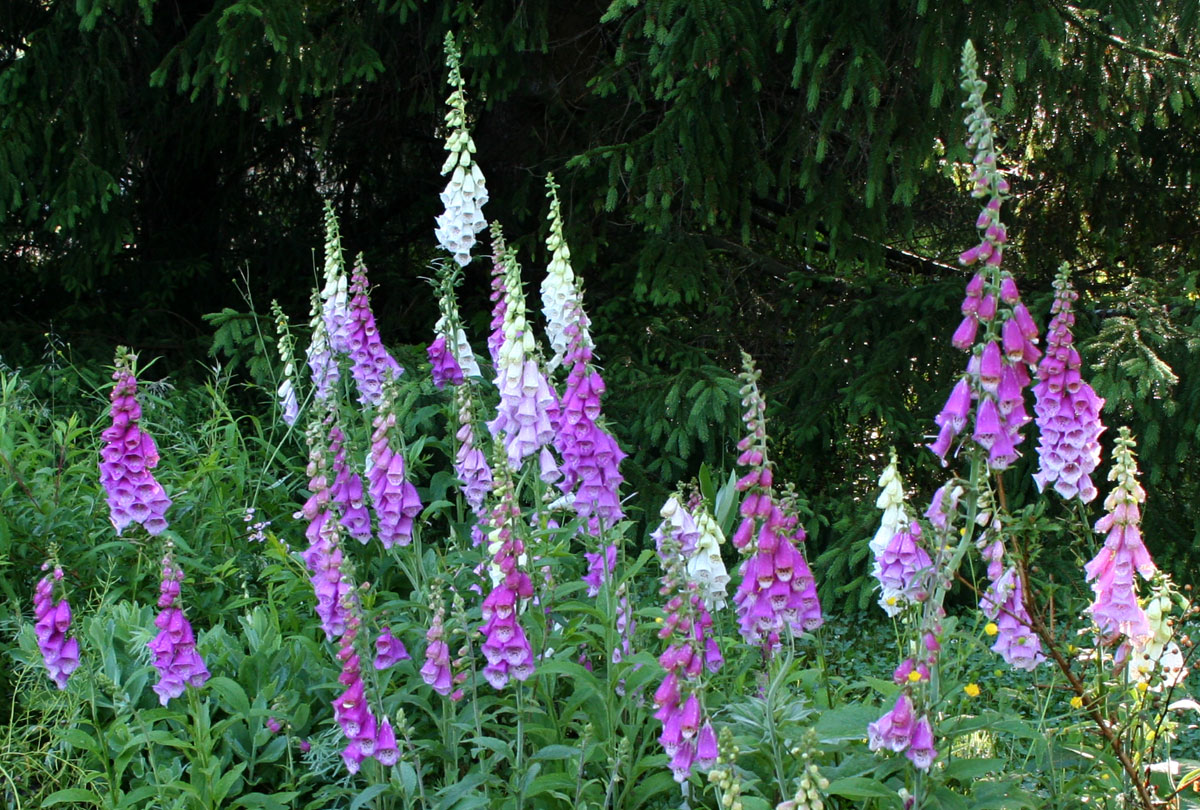
East Digitalistan

not digitalistan

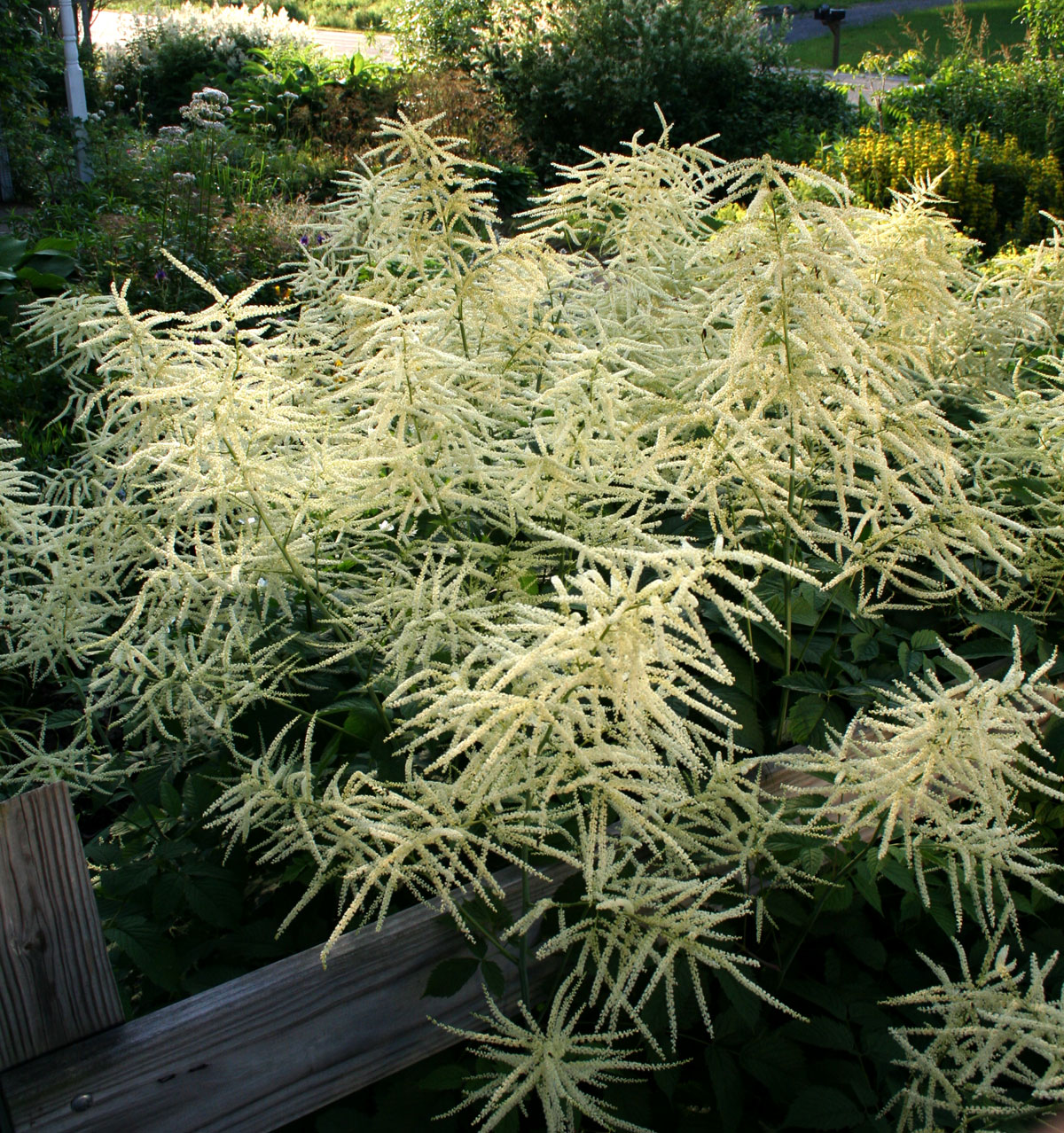
… and decent images of aruncus (finally!) …

aruncus

summer songs


Mussolini was a-shavin’ whistlin’ tarantella,
Stalin was keeping eye on barbeque.
When their fish line bell started to jingle,
Mussolini caught a-nothin’, Stalin caught two.

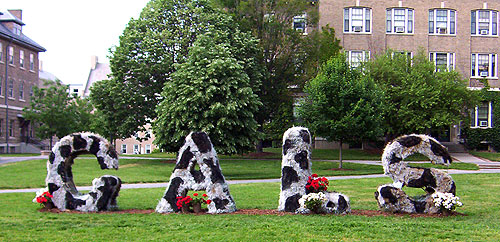
On the art front, Cornell graduation turf art

cals sod sculpture

I tried to push back on the bland reporting on leaf casts in the garden media, and reported on the infamous Memorial Day jello contest.

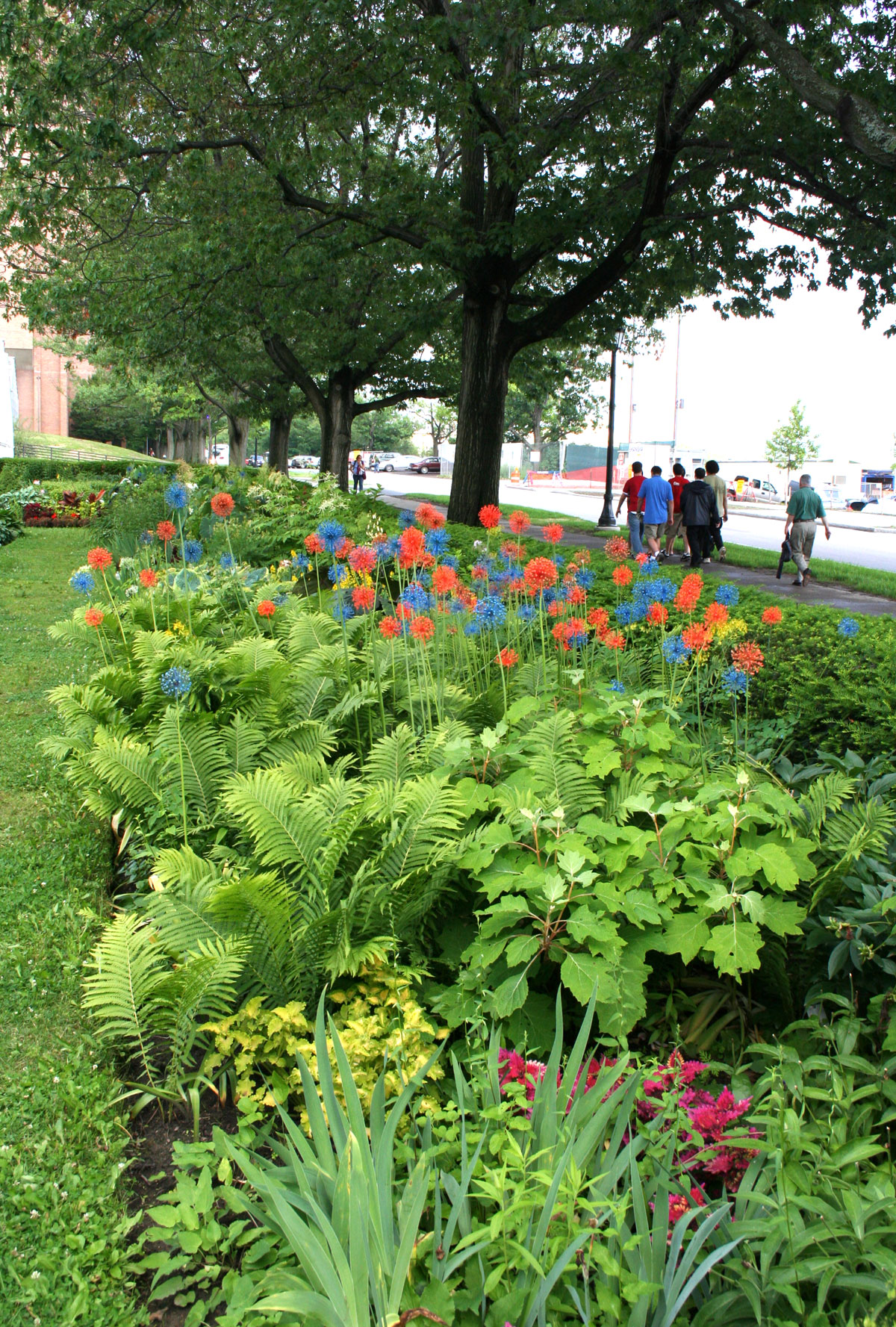
As we head into the second half of the year, these alliums in Minns Garden outside the building where I work are all ready for 4th of July fireworks.

painted alliums

Part 2 starts here …