A friend passed this along. I know I’m a plant geek because I was more concerned with the fate of the trees in the background than the fate of the Teddy bear being buried in the foreground.
Time Lapse Of Washington Snowfall – Watch more Funny Videos

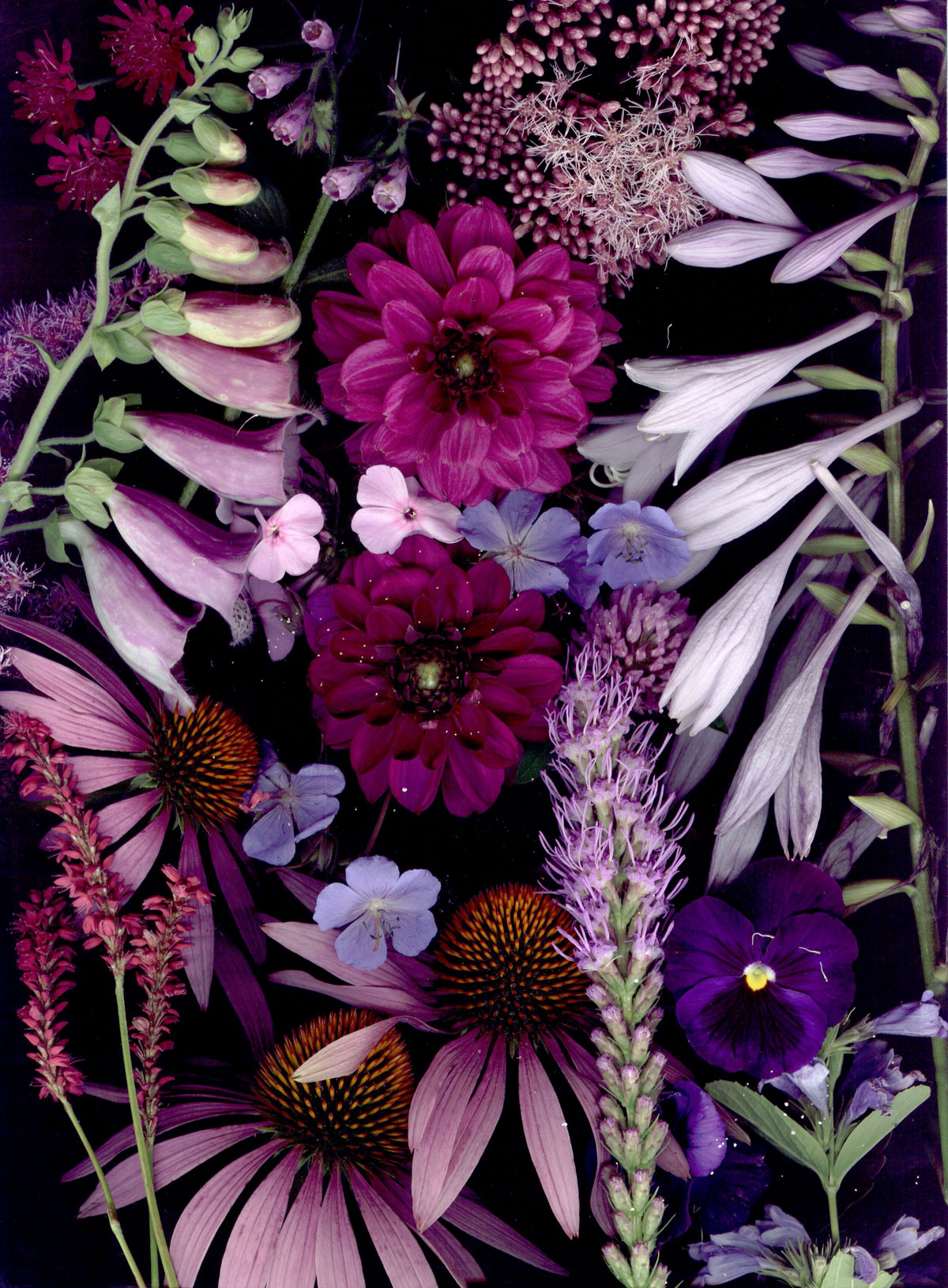
Scanner art by Craig Cramer, gardening & more
What it’s doing outside, and in the bigger picture musings about climate.
A friend passed this along. I know I’m a plant geek because I was more concerned with the fate of the trees in the background than the fate of the Teddy bear being buried in the foreground.
Time Lapse Of Washington Snowfall – Watch more Funny Videos
I stumbled out the door this morning with the dogs to find an inch or so of wet snow on the ground. Then we lost power from 6 to 7:15 a.m. Fortunately it got light enough to shoot some pix before we got lights, water and heat back.
The usual scenes for the time-lapse stack…
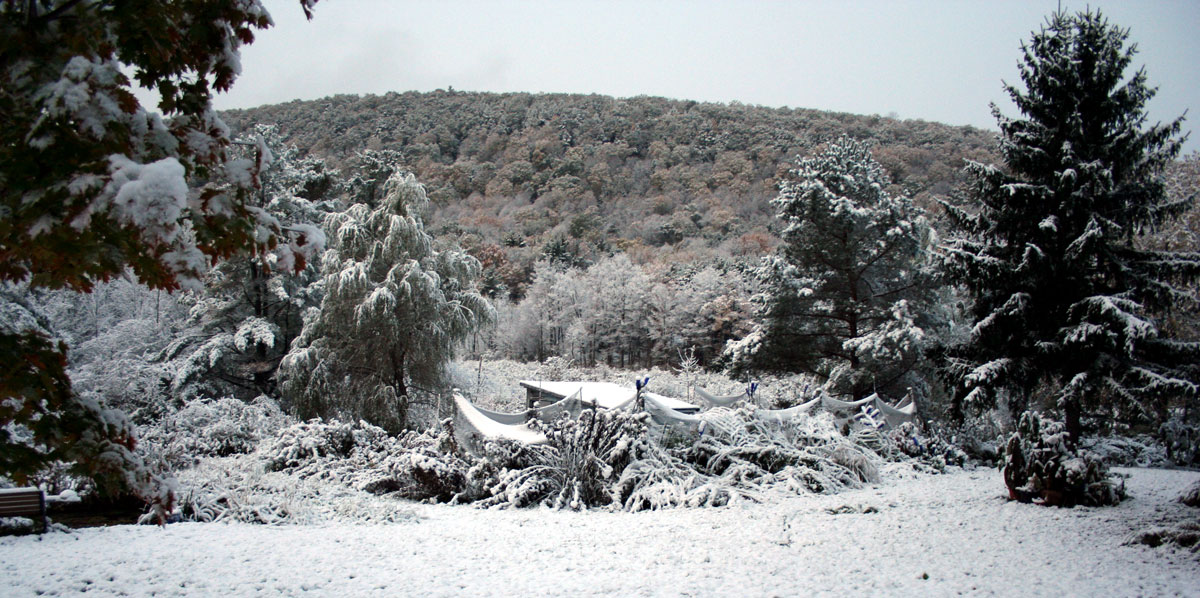
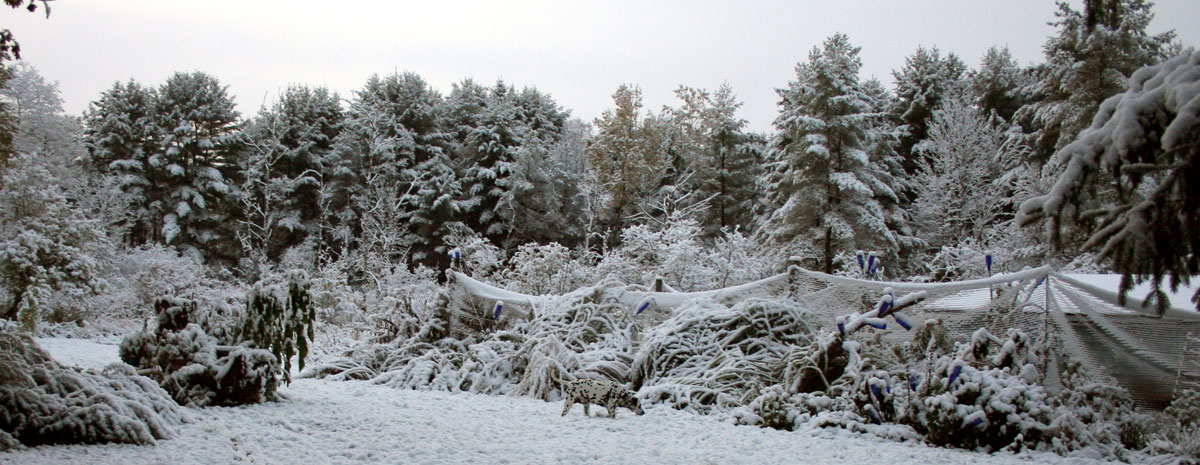
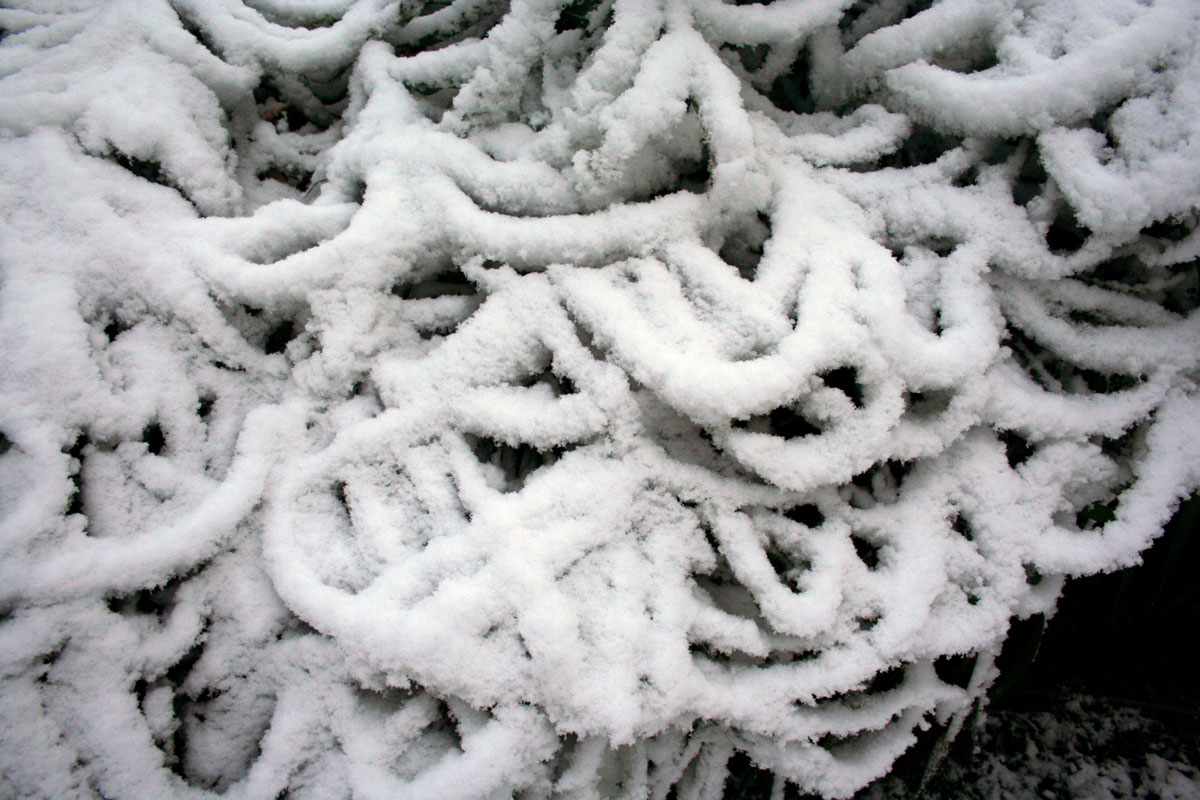
The grasses went down in some crazy patterns. (They bounced back by the time I got home from work.)
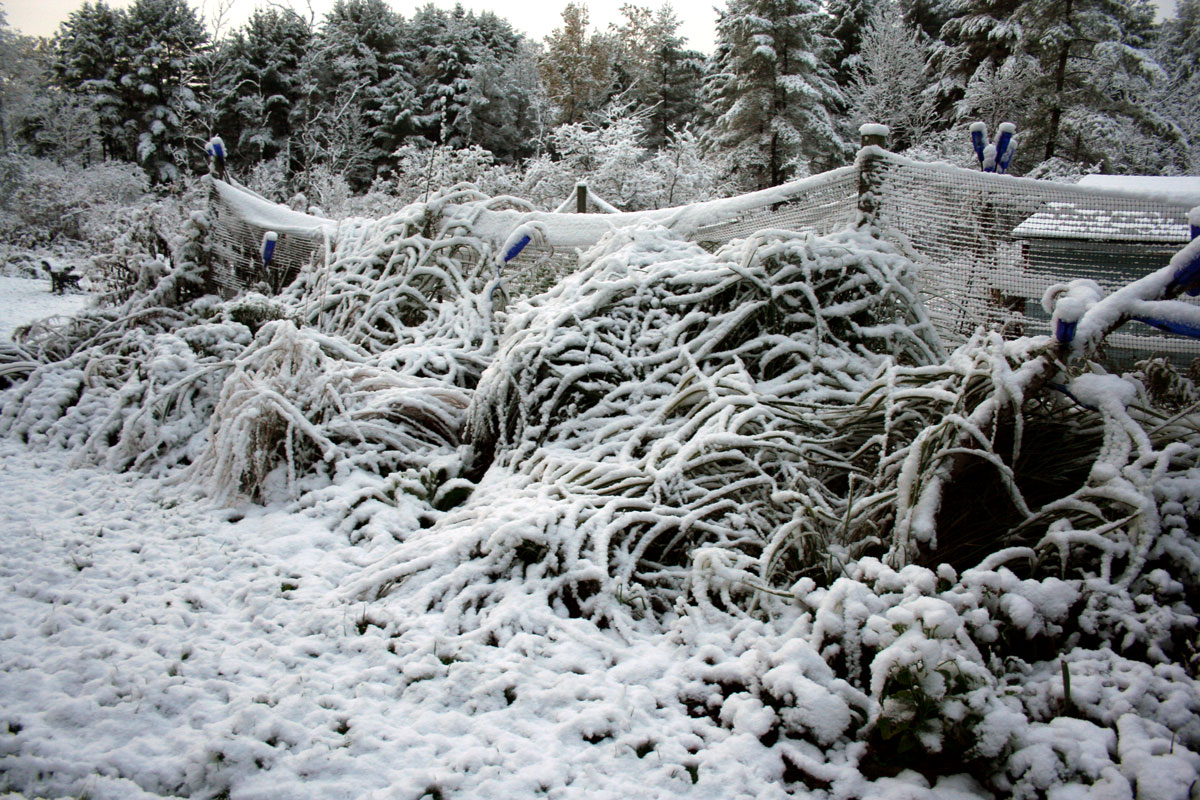
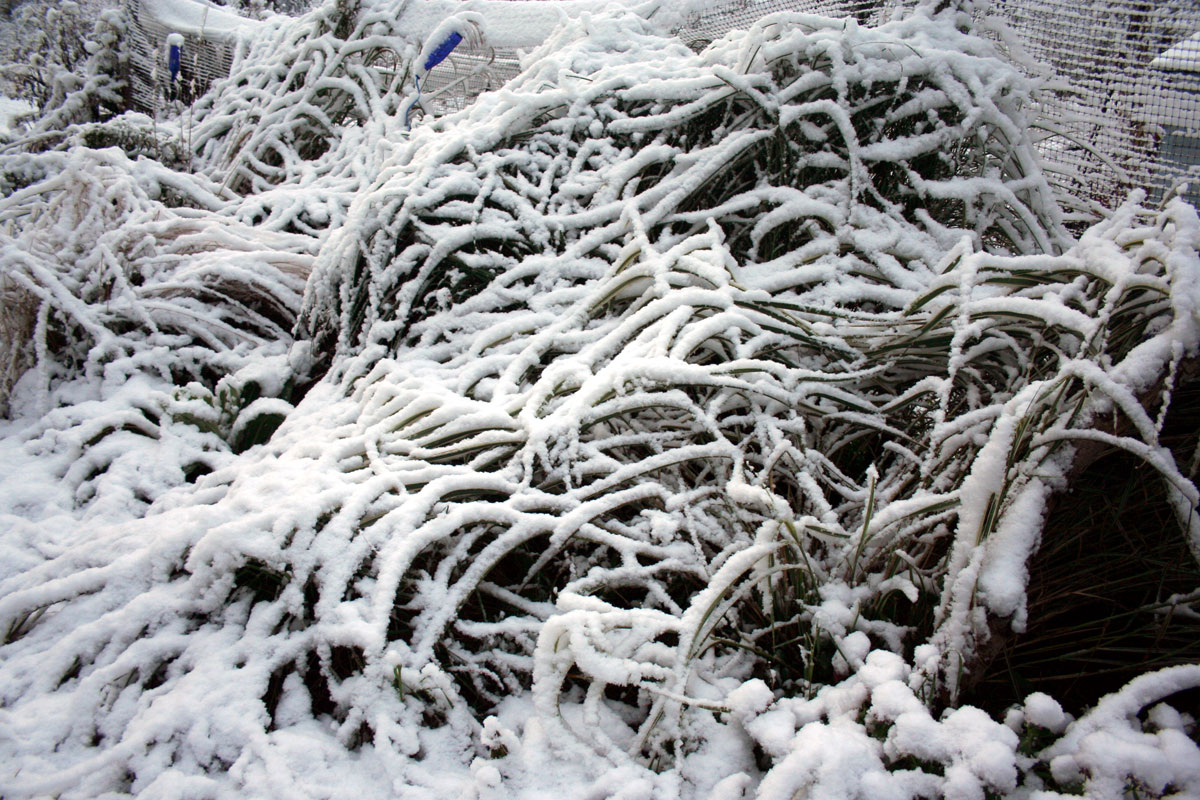
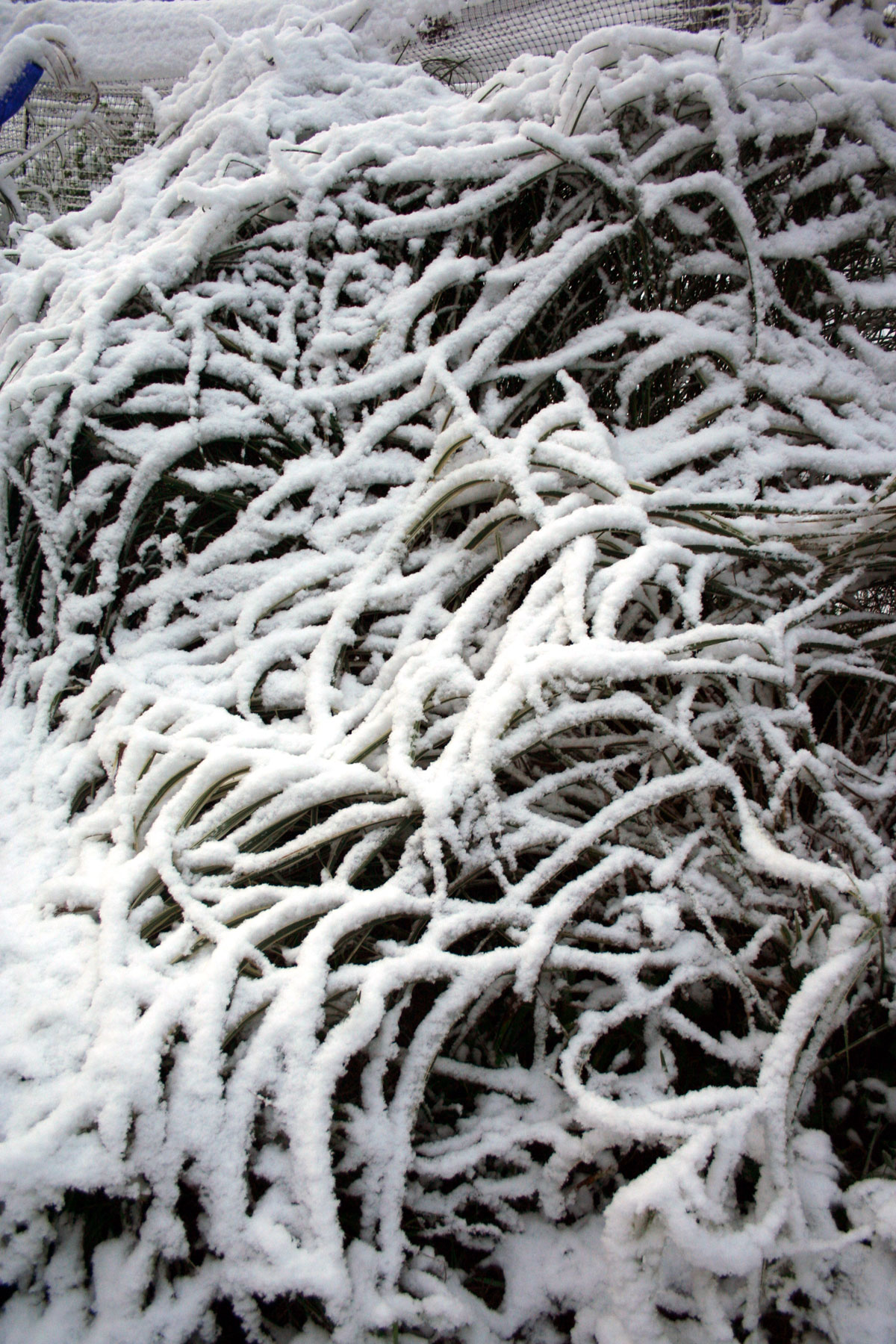
The 12-foot Miscanthus floridulus came down to around 5 feet.
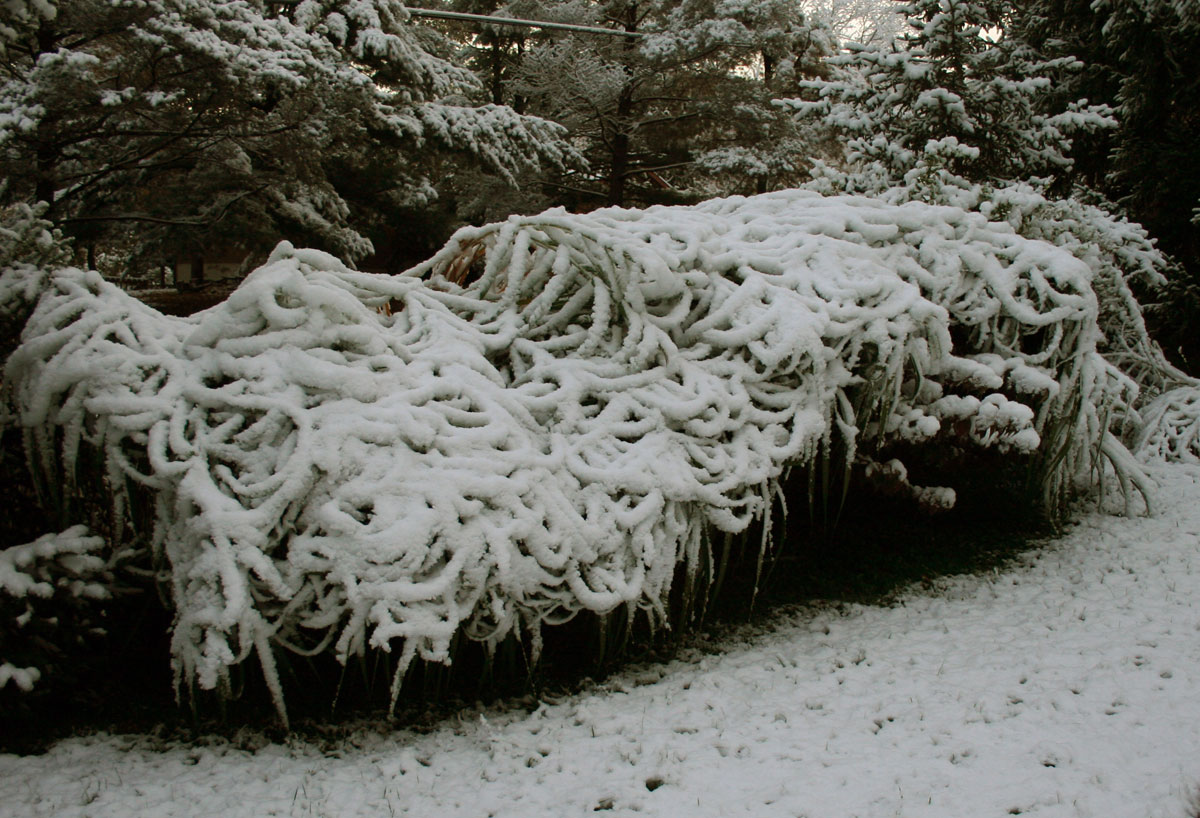
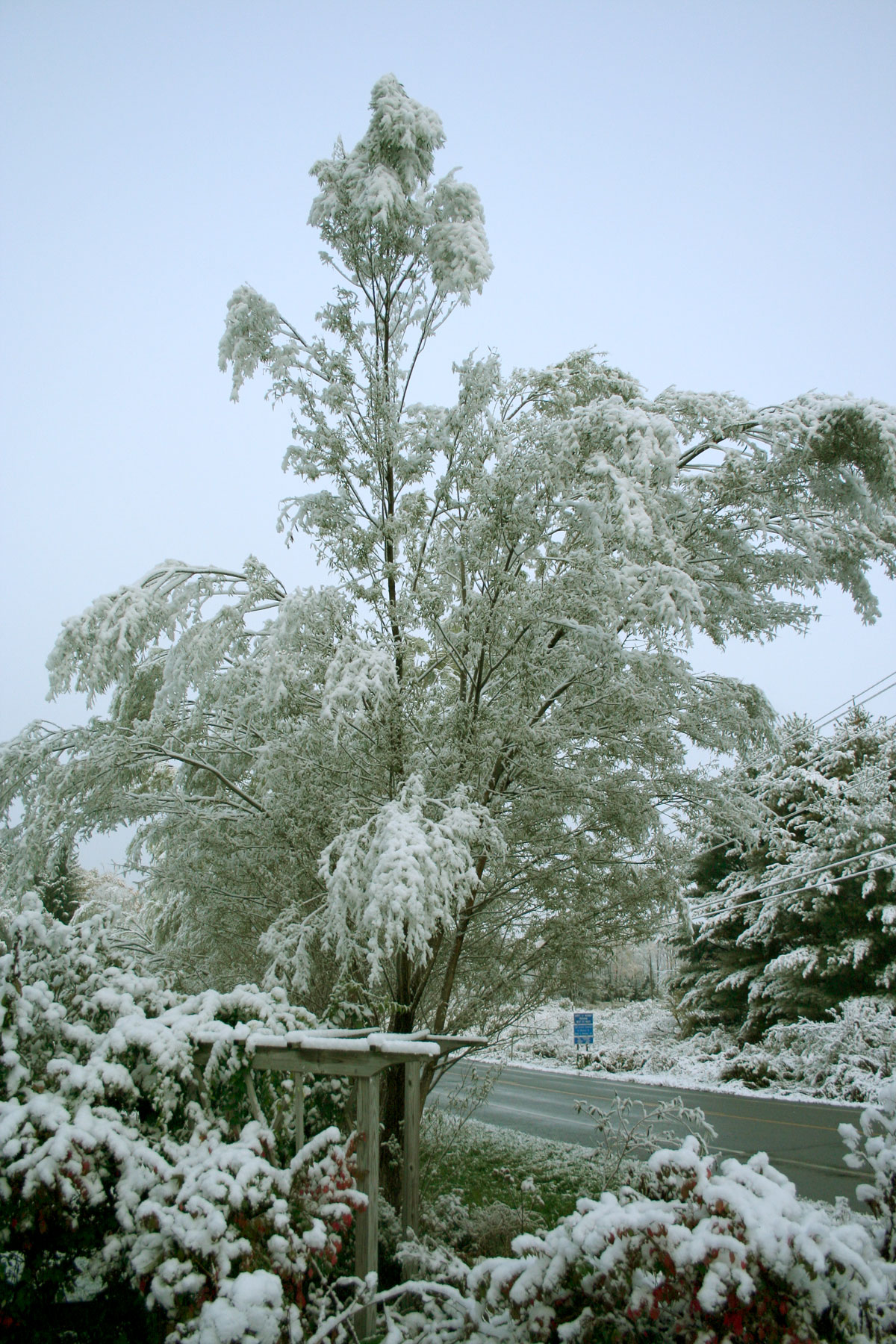
A normally completely upright willow weighted down.
 Here’s my post for Blog Action Day.
Climate change hit home for me the moment I saw the graphic at right from a 2007 report by the Union of Concerned Sciences. That’s my beloved Upstate New York marching climatically down to Georgia before the end of the century.
Some folks might say, “Great, start planting palms.” But I’m not a big fan of rapid ‘Zone creep’ — particularly when you consider all the other bad things that come along with it, from a post I did back in 2007 (How will global warming affect your gardening?):
It’s uncertain if weather variability will increase along with temperatures. But most models predict fewer but more concentrated precipitation events, causing longer droughts punctuated with bigger storms and flooding. Anomalous frosts early and late in the season despite generally warmer temperatures are also a concern.
For gardeners, adapting to a changing climate may be as simple finding better-adapted tomato varieties or other plants to grow. But for commercial growers, changes are likely to be more involved. “Everyone is going to have to invest some to respond to climate changes,” says Wolfe.
What can you do about it? Most important is to support public policies that will reduce carbon emissions. But there are some other things you can do in your own garden that at least model the kinds of changes we need to make on a global scale:
Please. As much as I’d like to overwinter palms outside, I’d rather move to Georgia to do that — without taking the whole state of New York with me.
Here’s an excellent video from NPR’s Wired Science on global warming and Zone creep.
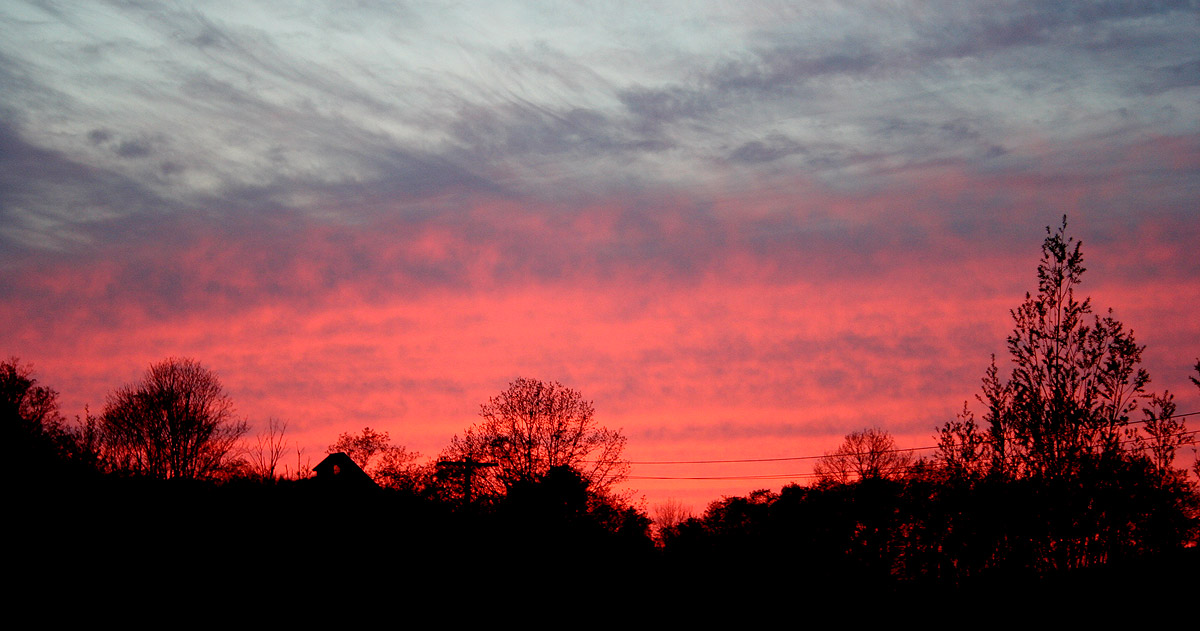
It’s that time of year again when we start getting great sunsets — or at least we start noticing them.
You might want to start with Part 1.
July
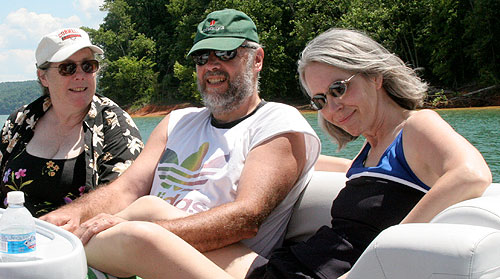
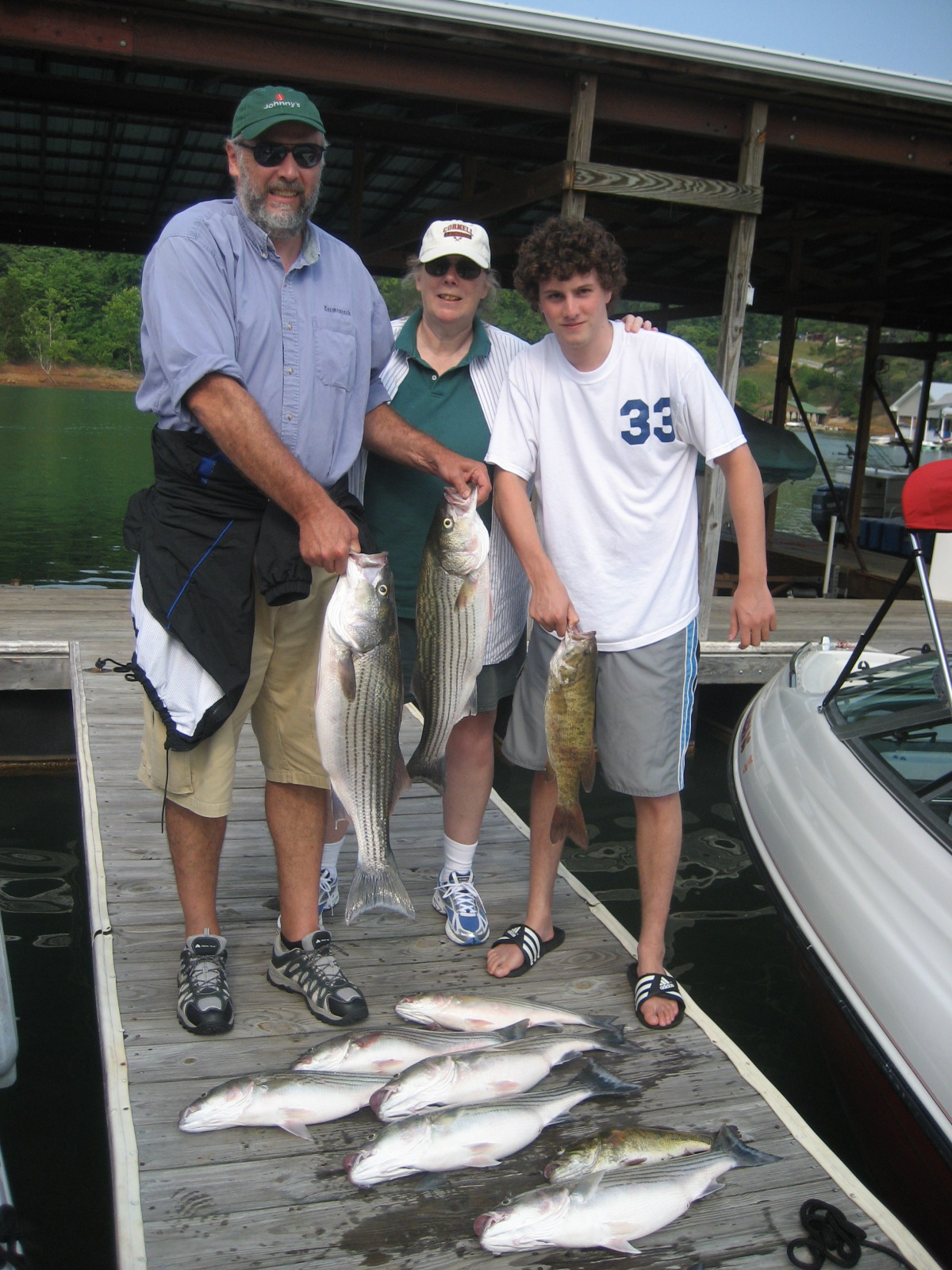
July started with a rare vacation away from home, to my brother’s lake house to celebrate my Dad’s 80th. On the boat with my sister Cheryl and wife Elly …
With Cheryl and Alex after a good morning of striper fishing.
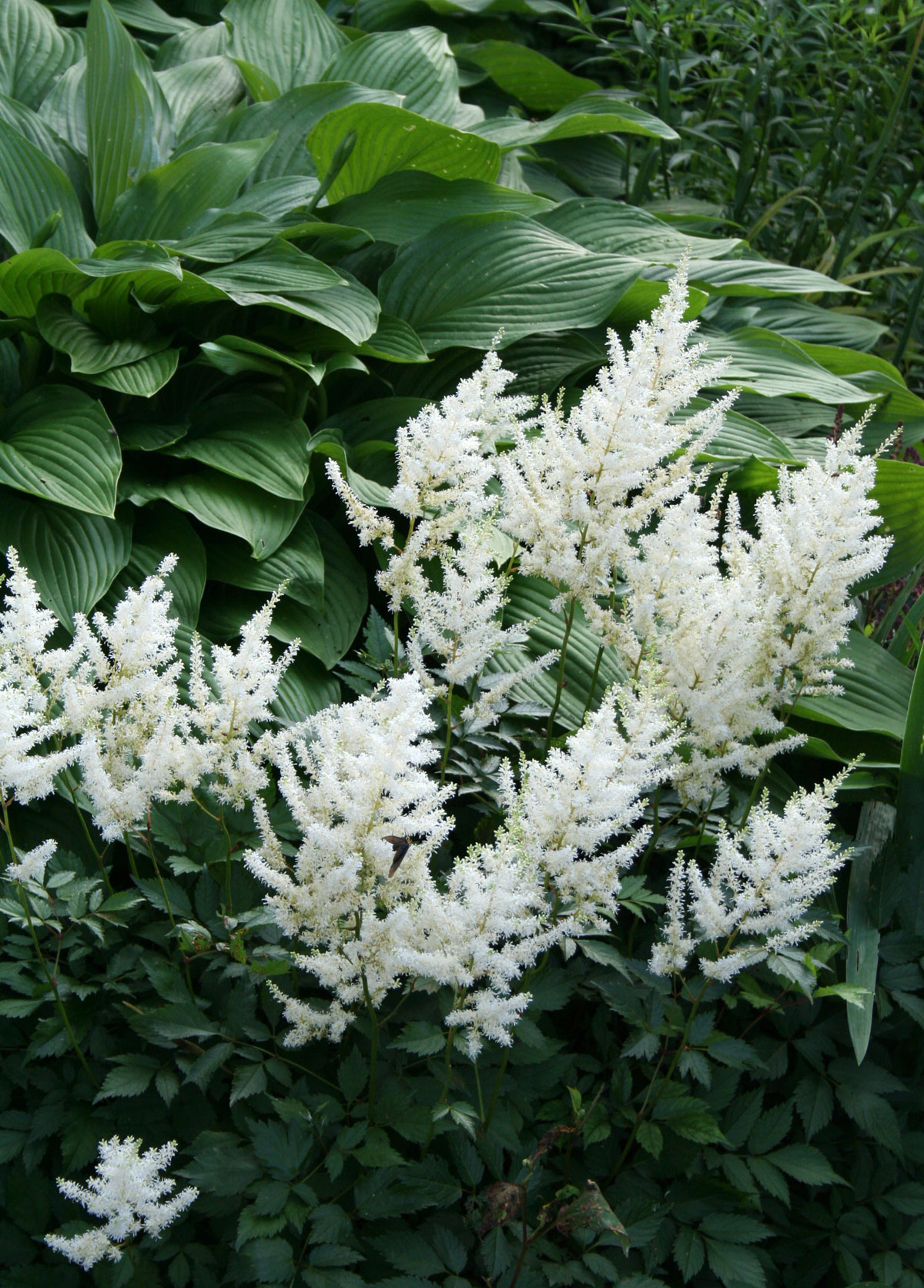
Back home, it’s midsummer and there are lots of great serendipitous plant combos to enjoy, in the wet garden …
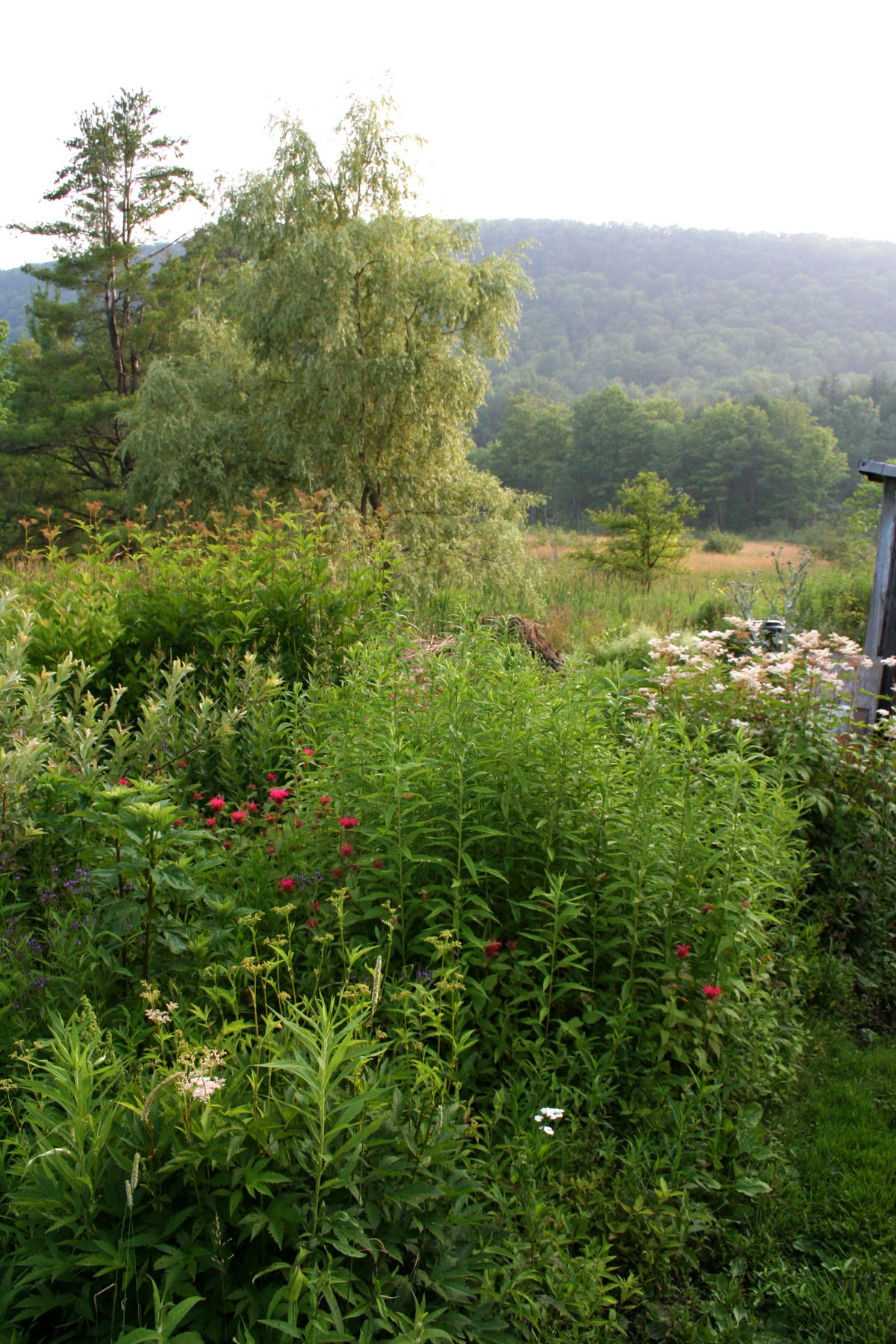
… and front garden.
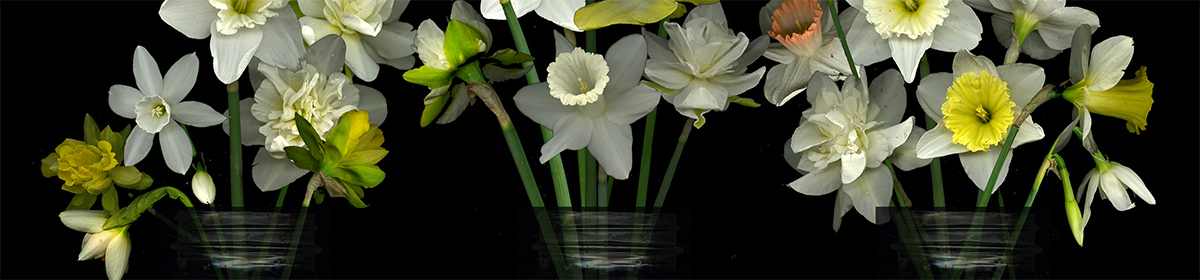
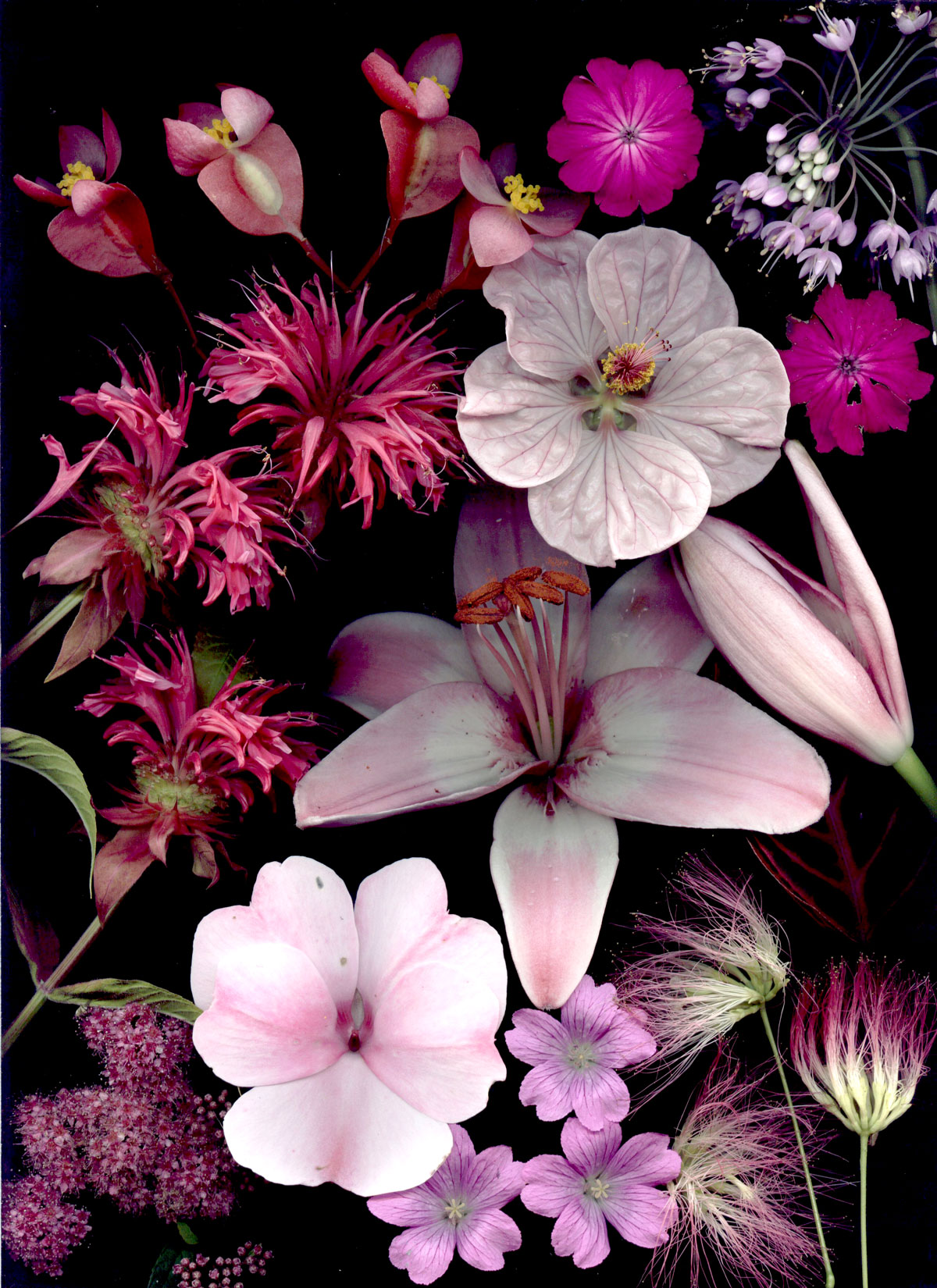
Enough plant material to do bloom day scans in four different color schemes.
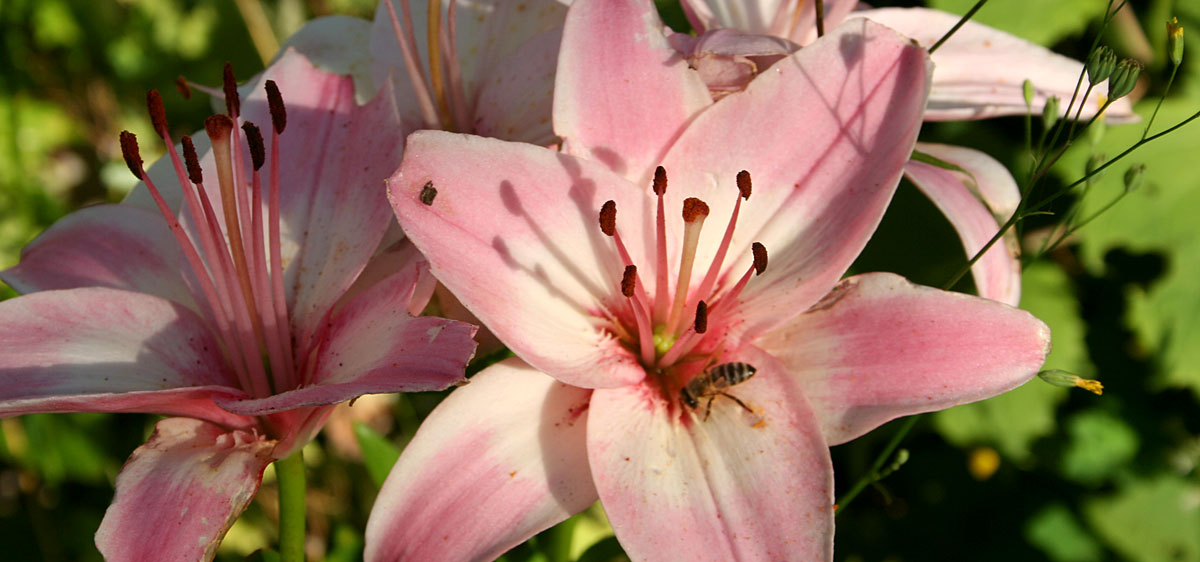
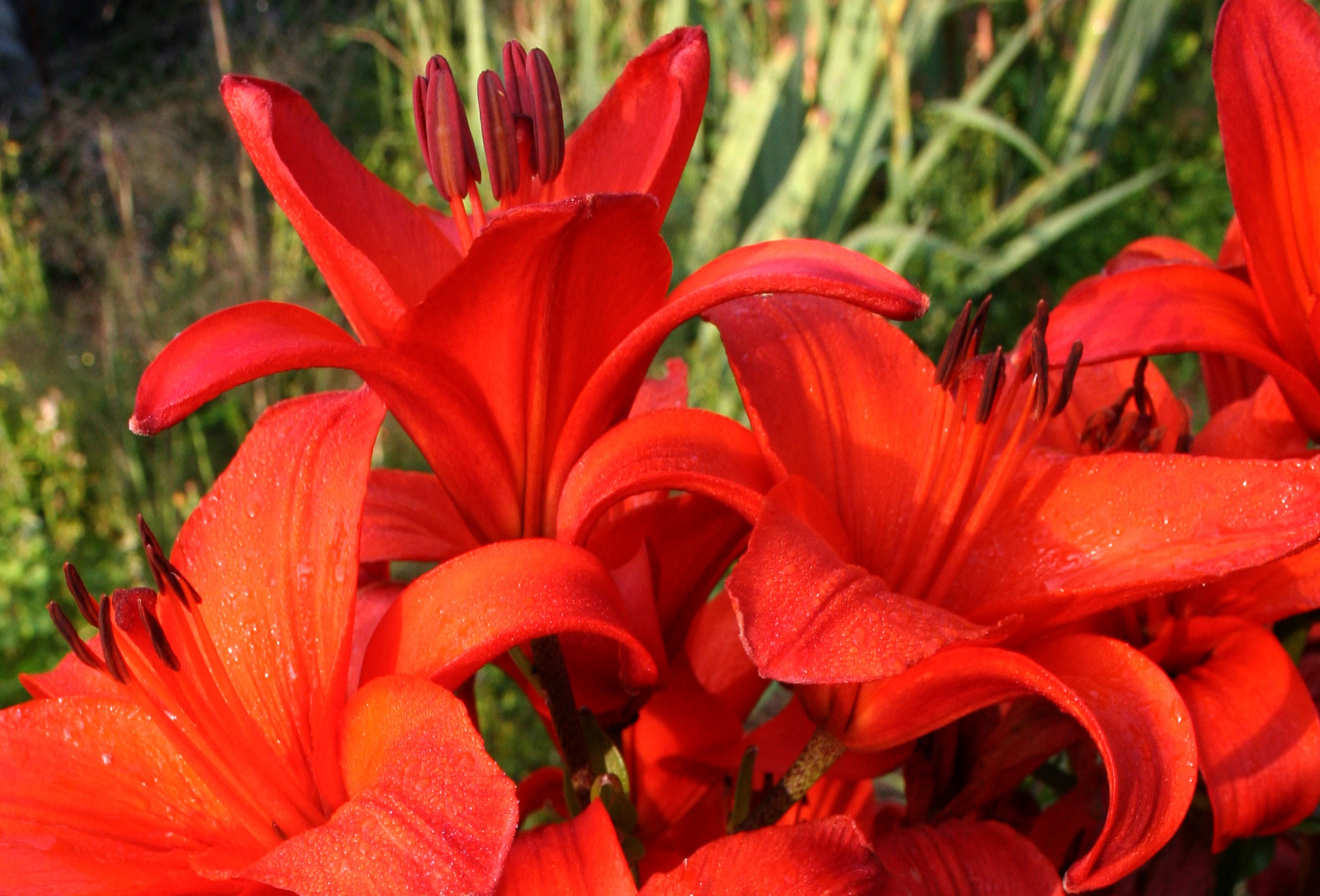
Out in the garden, lilies …
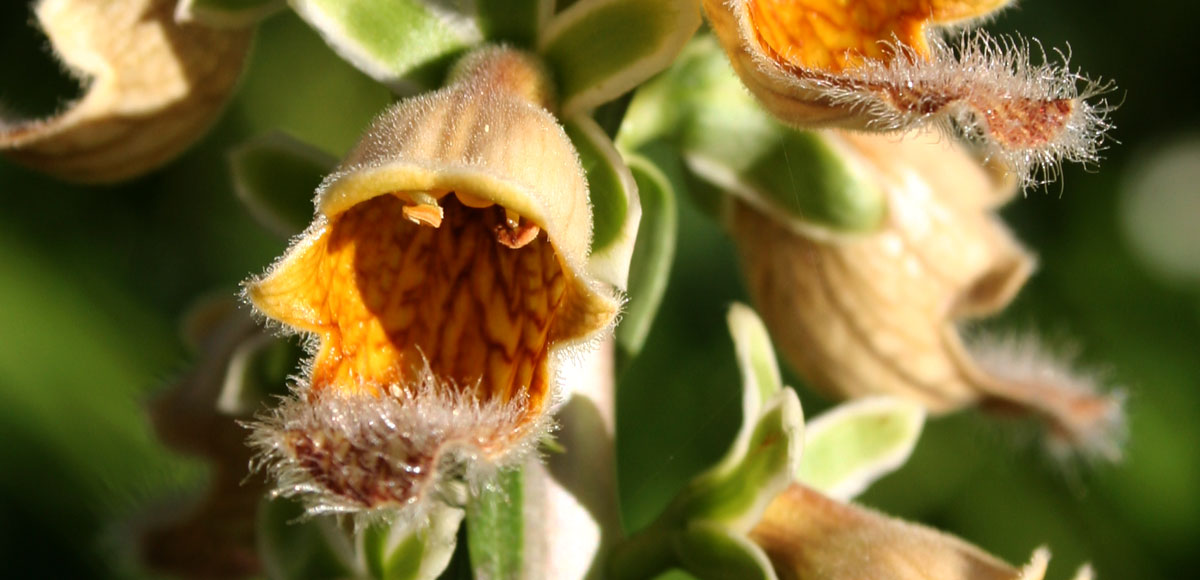
The rusty favorite, Digitalis ferruginea
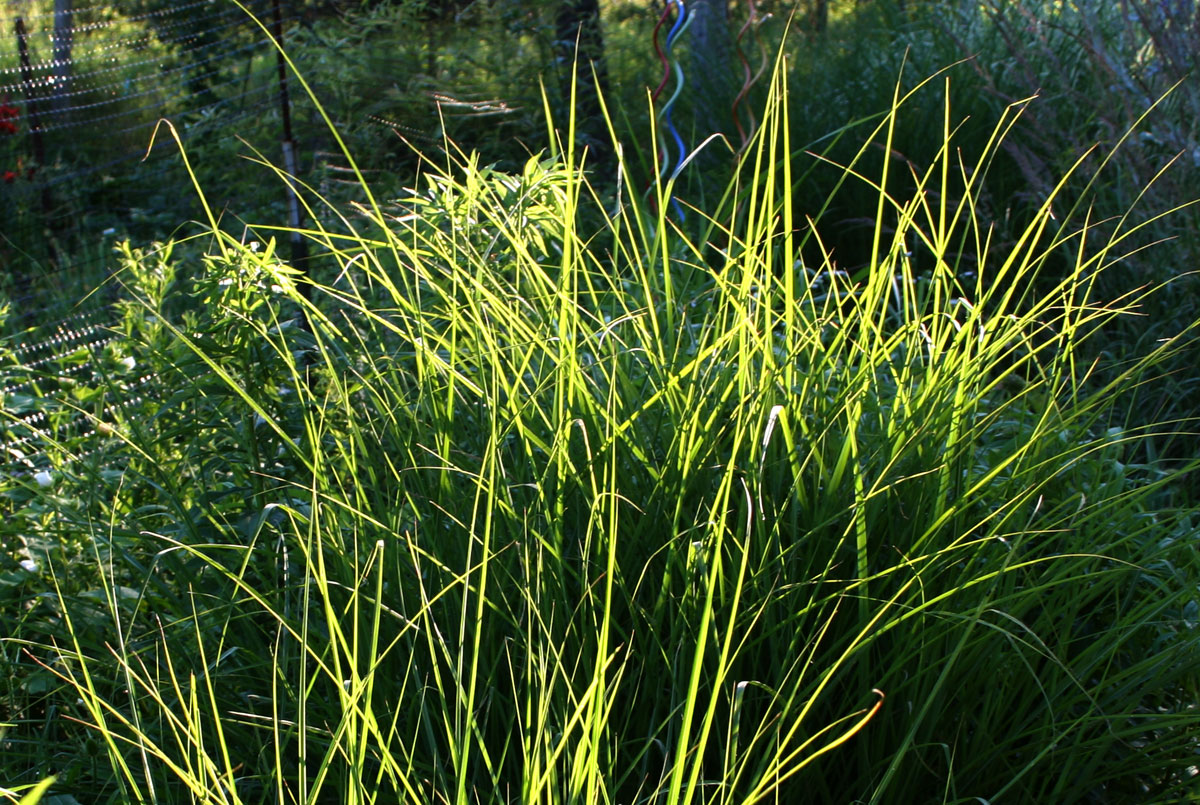
Exploring backlighting.
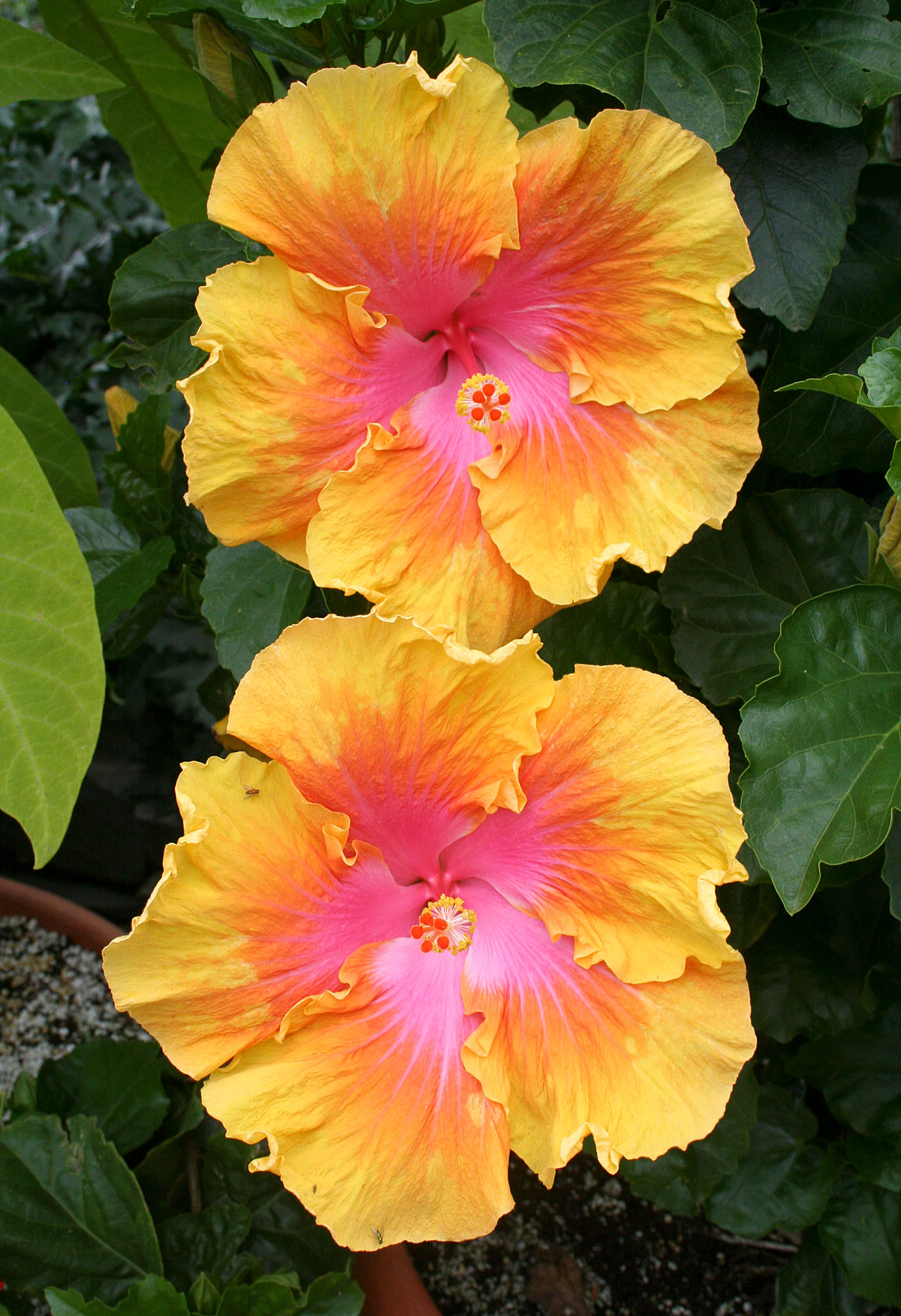
Lots of gaudy flowers to shoot. Hibsicus at Cornell Plantations …
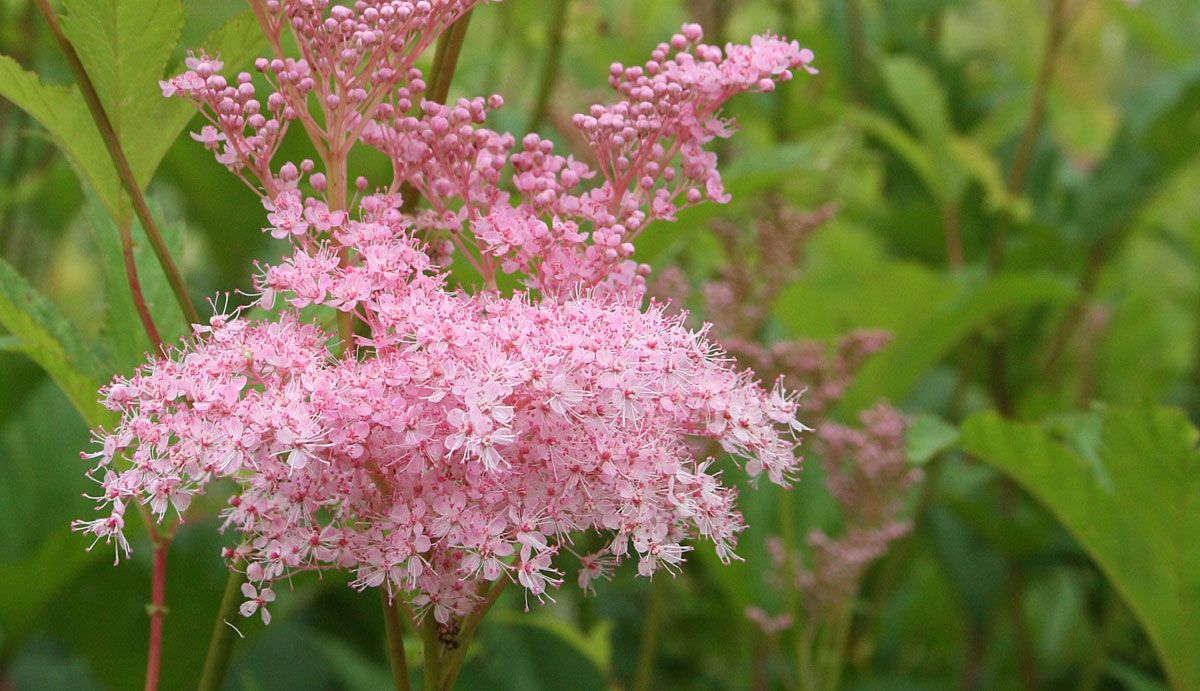
Filipendula.
Lily
Plus my 15 minutes of fame in USA Weekend.
August
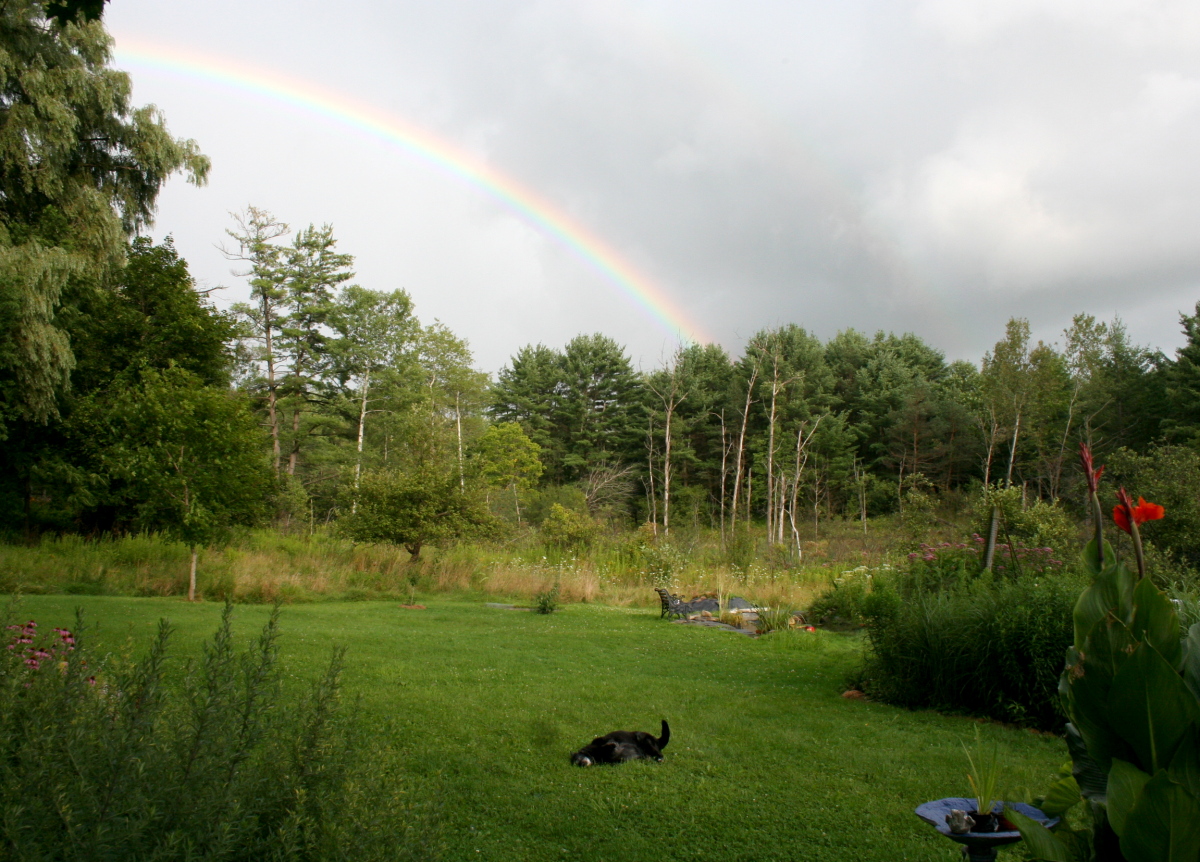
Jade rolling under a double rainbow ’bout sums up my feelings about August.
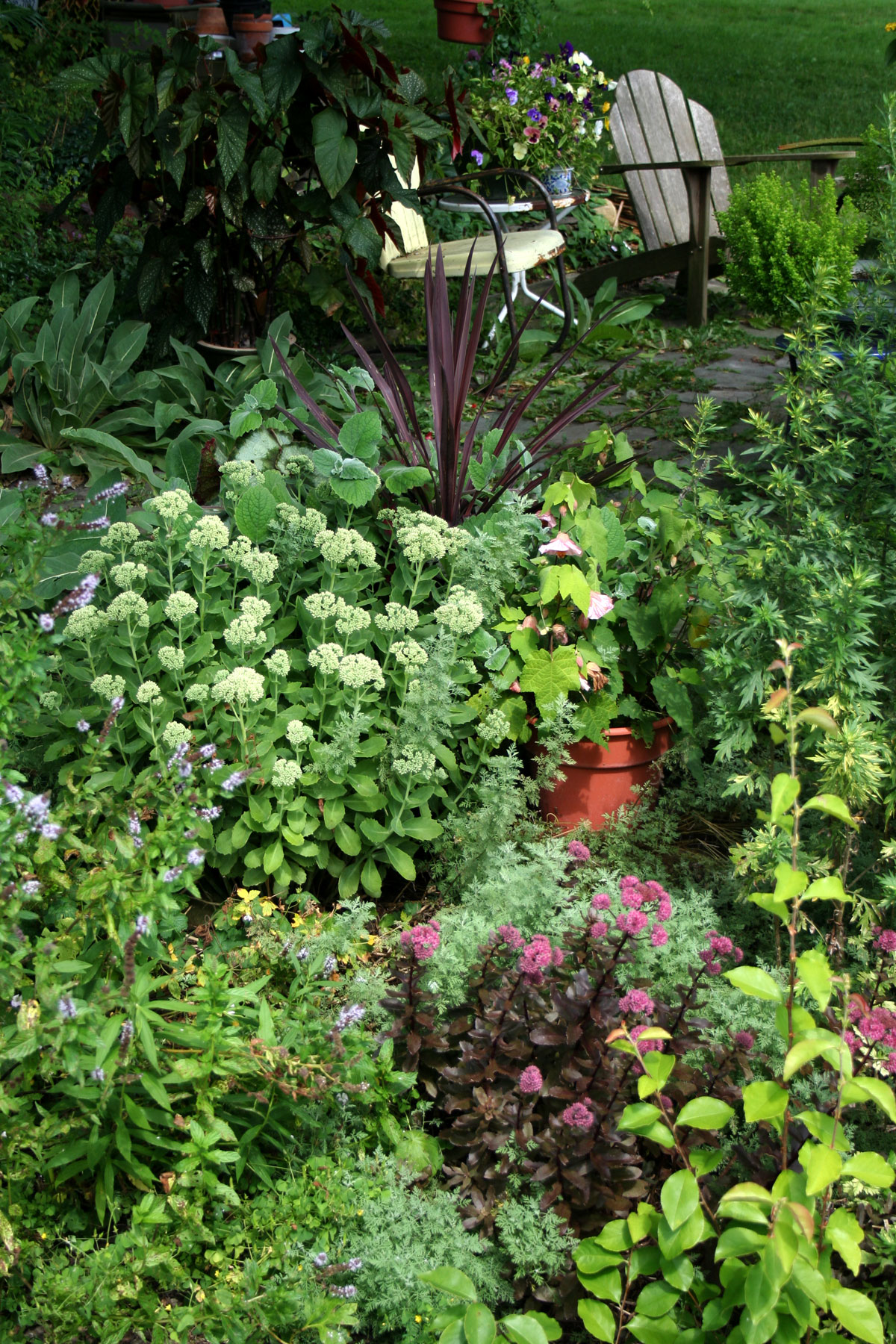
They say things start slowing down in the garden in August. Can’t say I’ve noticed that. There’s lots growing around the patio, but still not much time to sit.
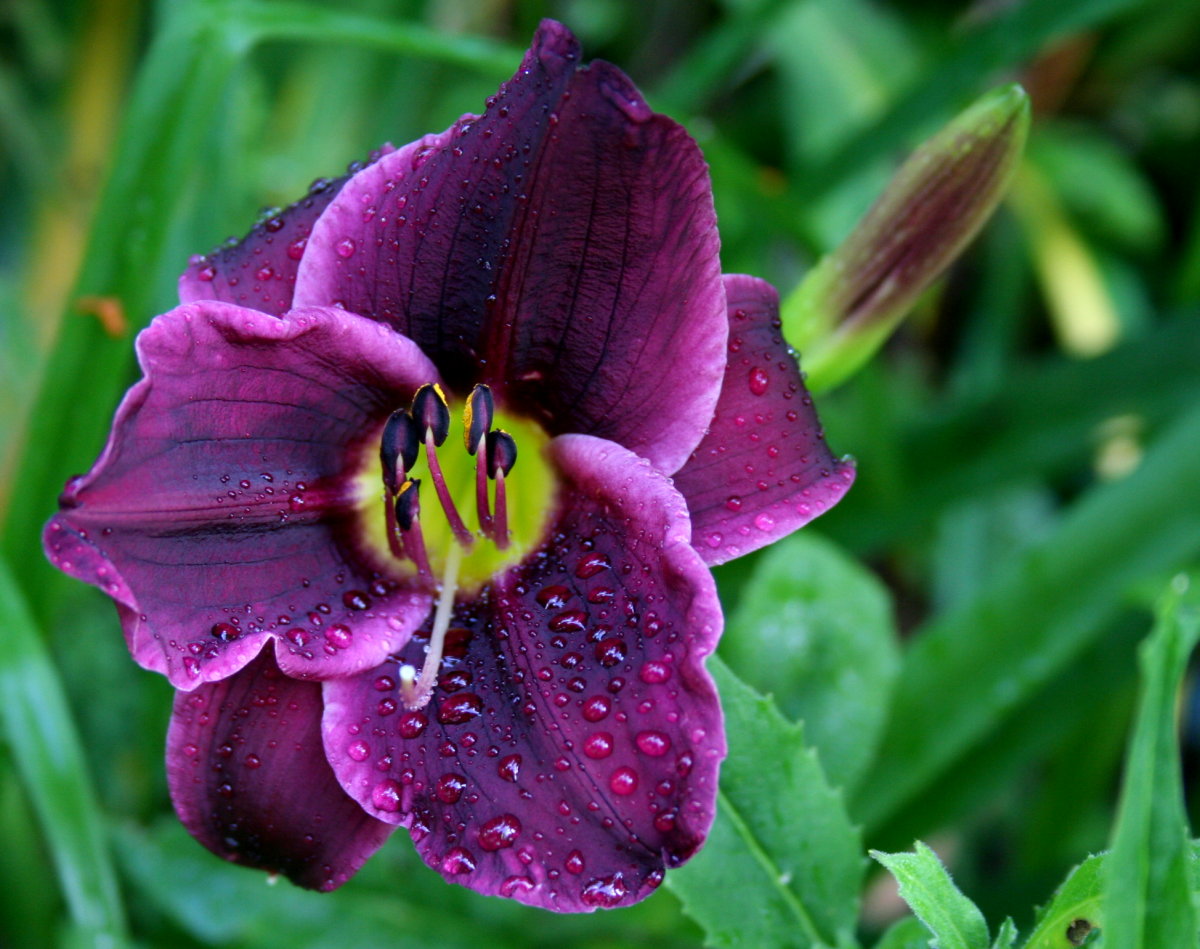
Still plenty of flowers to shoot, including Daylilies, purple …
… and yellow …
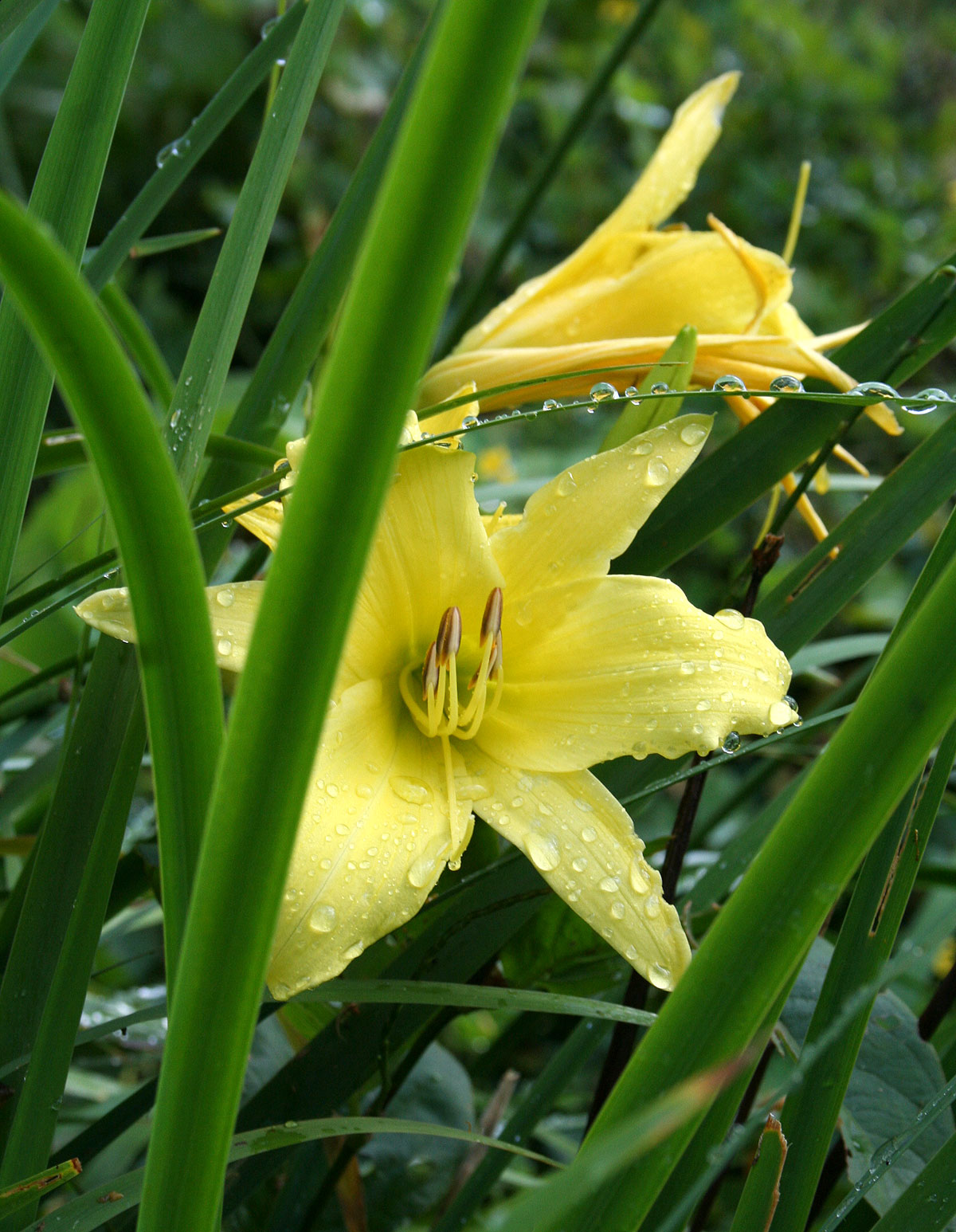
… Rosa ‘Princess Di’ …
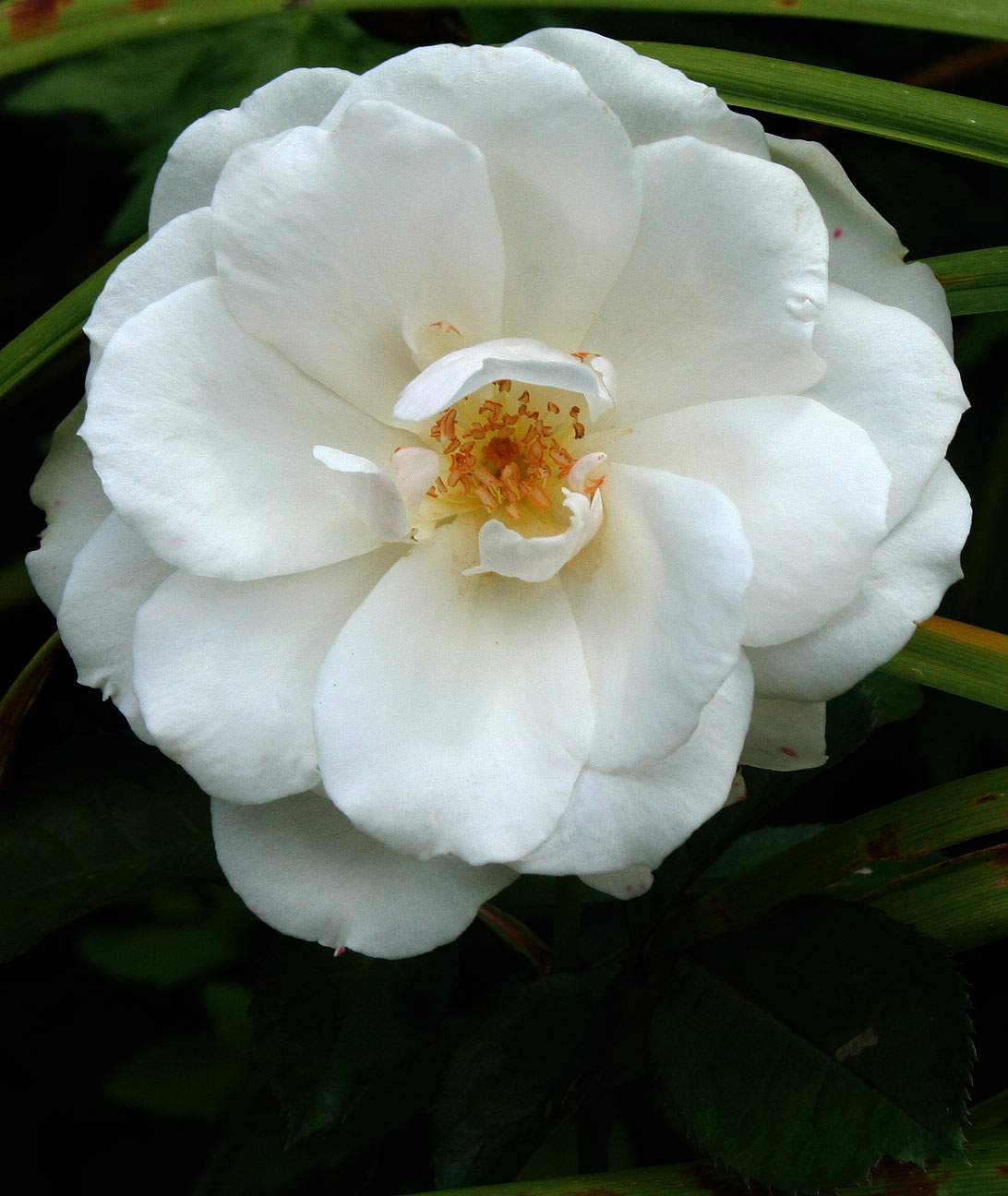
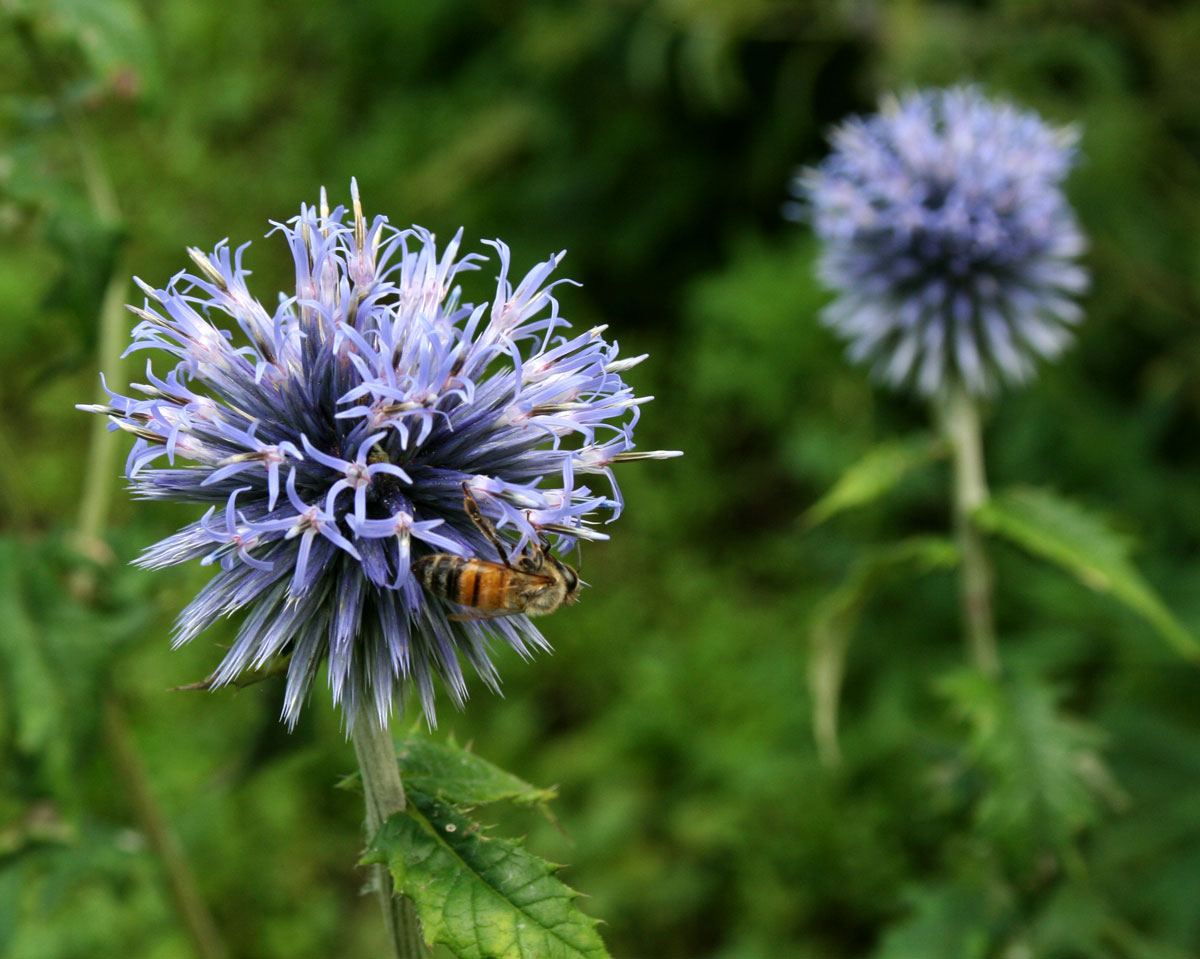
… buttonbush …
…globe thistle …
… water lily …
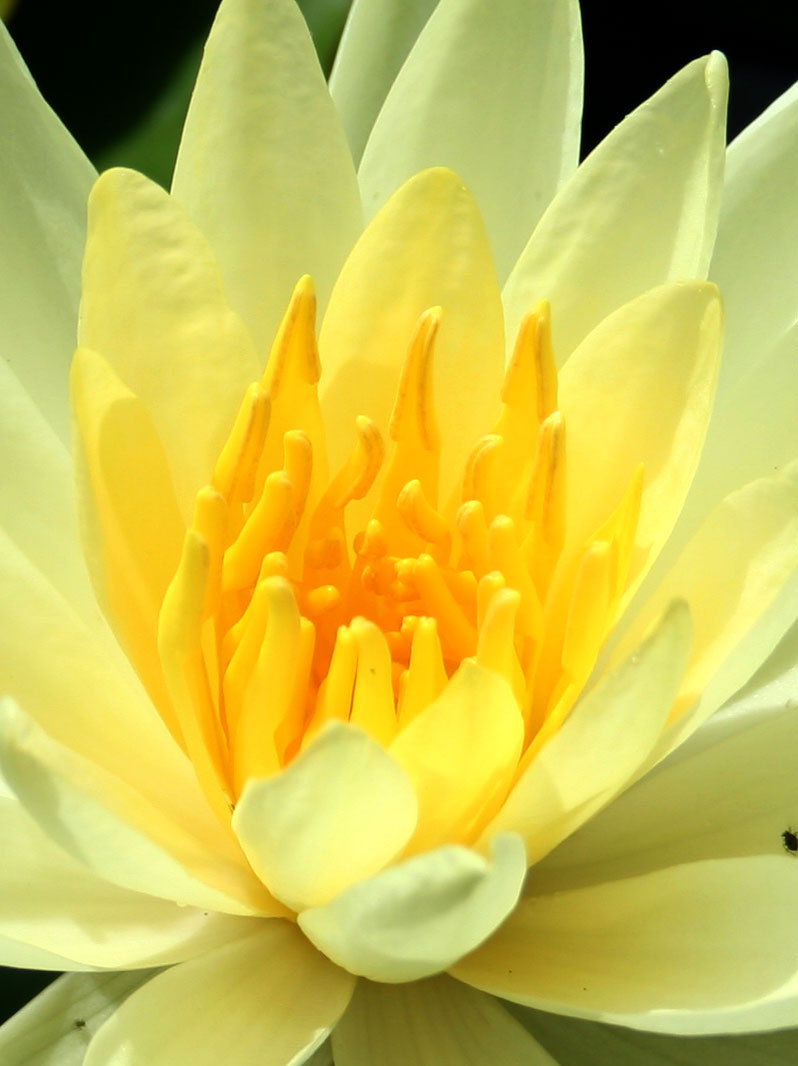
One of the bloom day scans for the month.
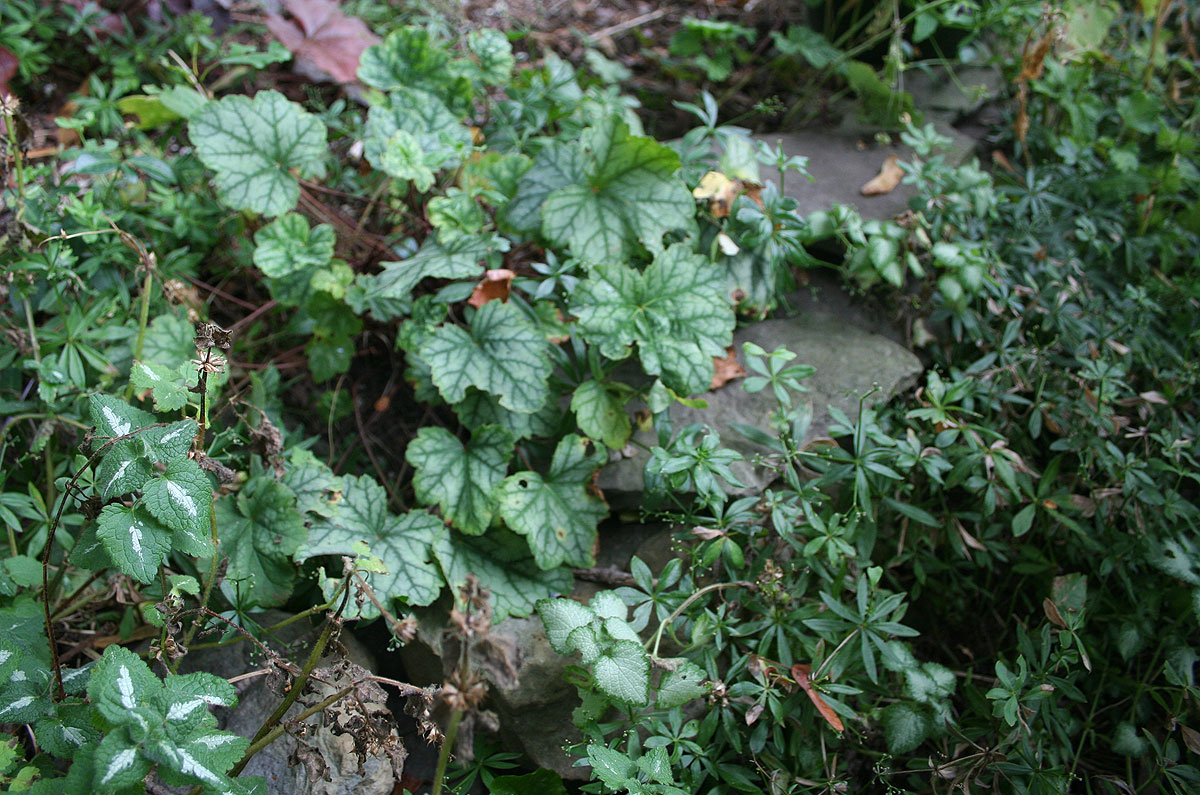
I also defended heucheras.
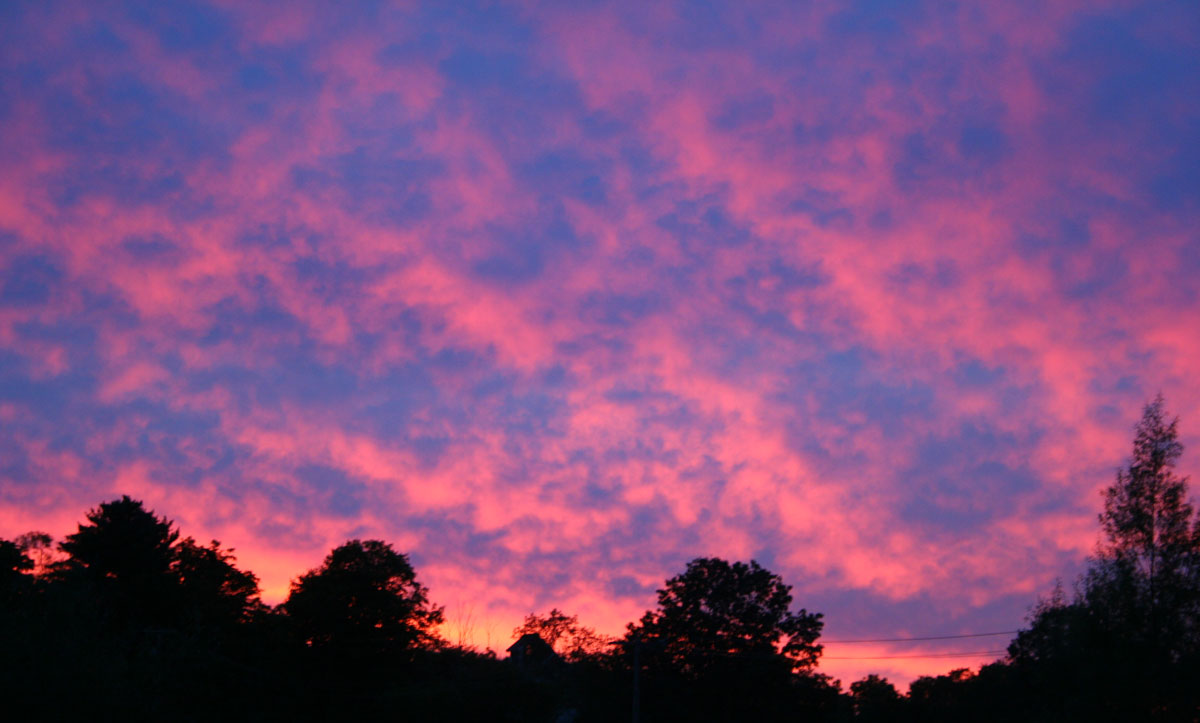
August has nice sunsets, too.
September
OK. The pace does start to slow in September. But it’s still one of the best times of year in these parts, if not the most floriferous.
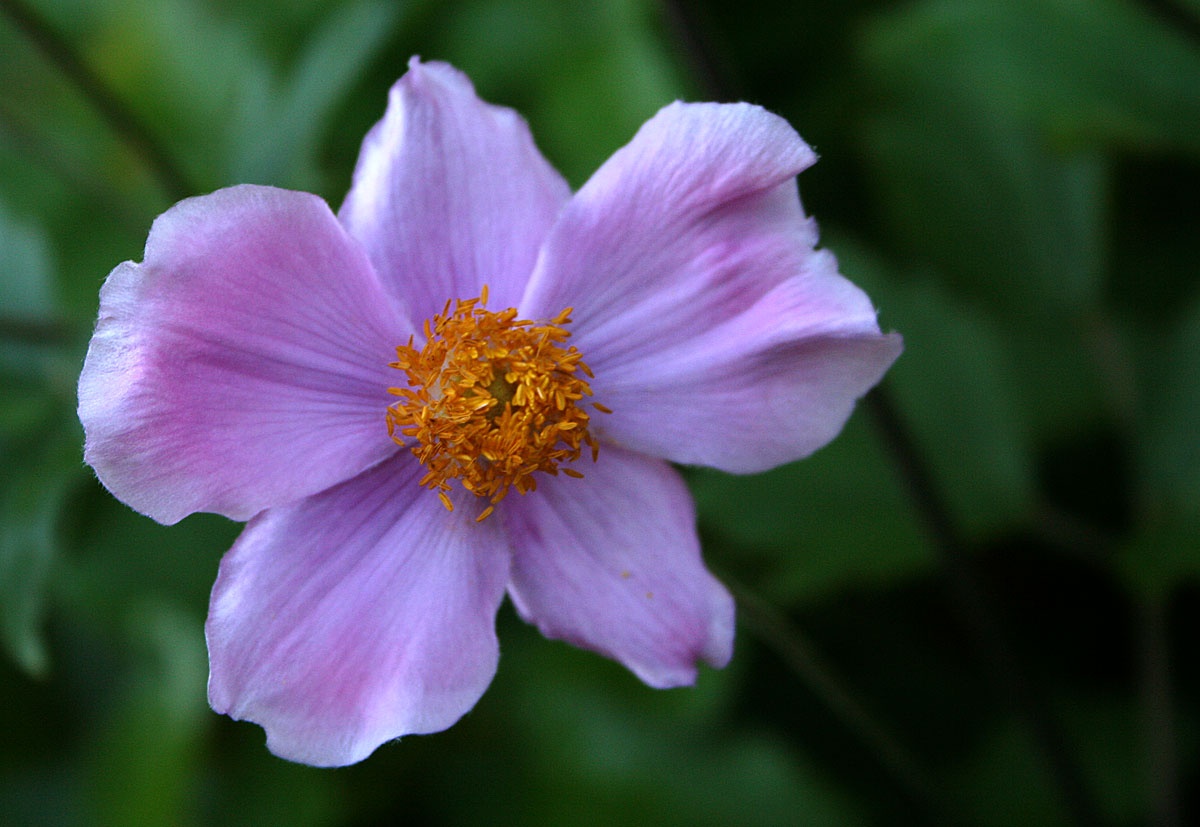
The colors are more subtle, like this anemone.
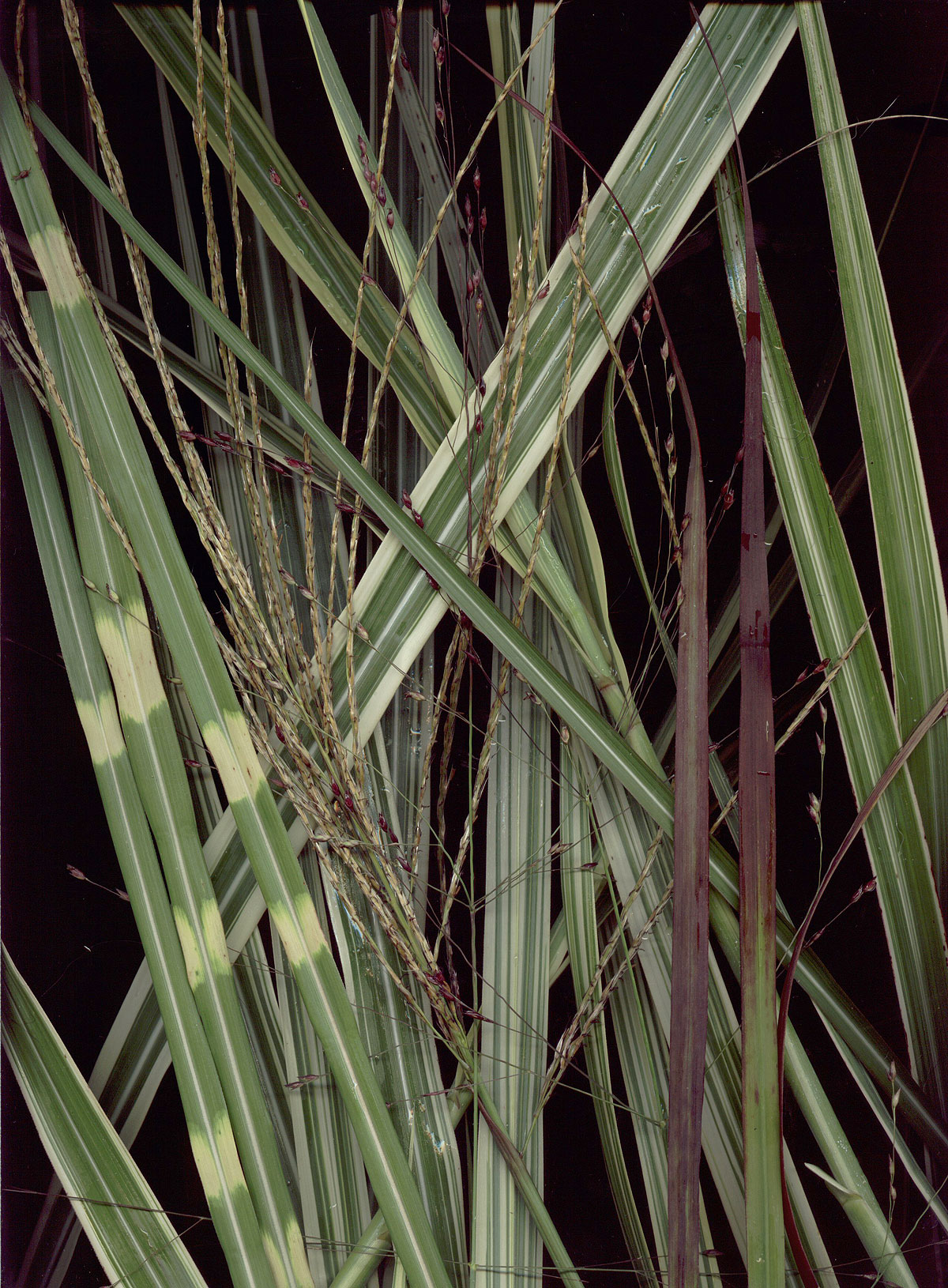
My favorite bloom day scan featured grasses, not blooms.
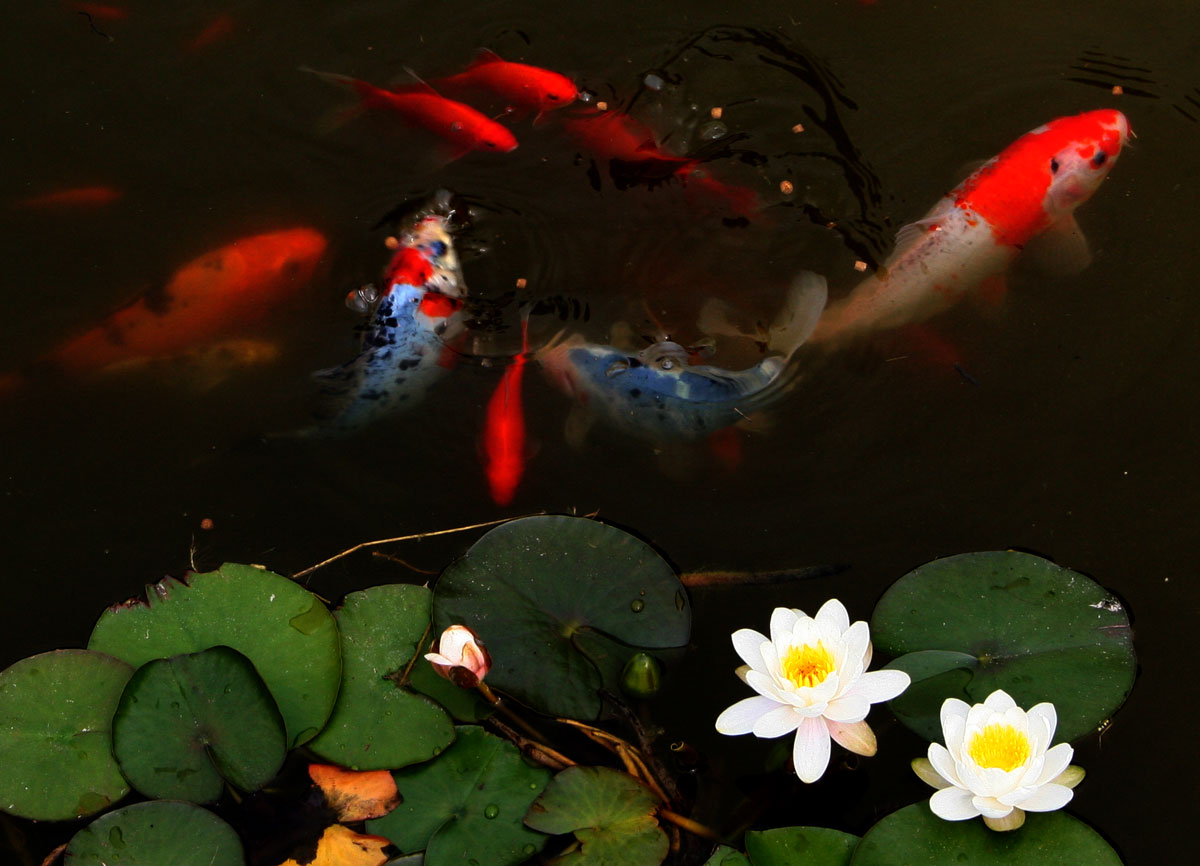
I featured my four (that’s a stretch) water gardens in the month’s Garden Bloggers Design Workshop.
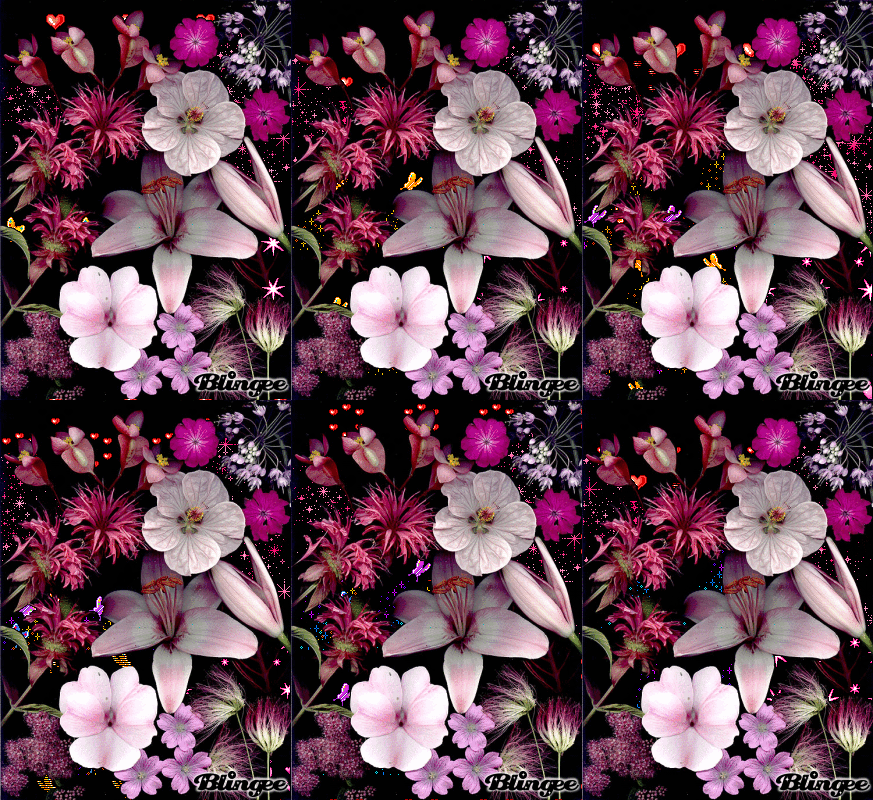
And on a rainy day, I discovered blingee.
October
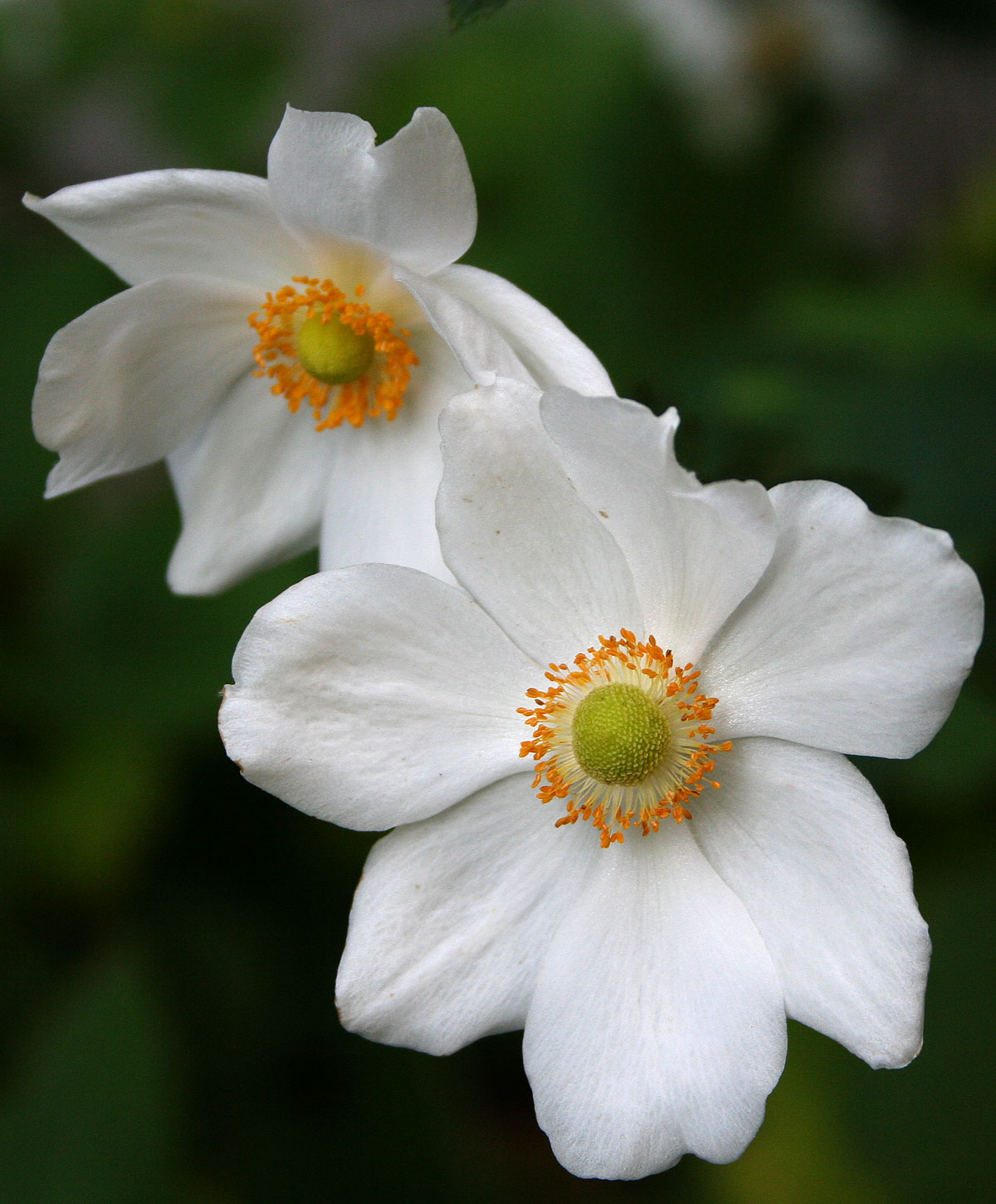
October is the month of frost and fall color. But that doesn’t mean there aren’t still some flowers around, like my fall favorites, anemones.
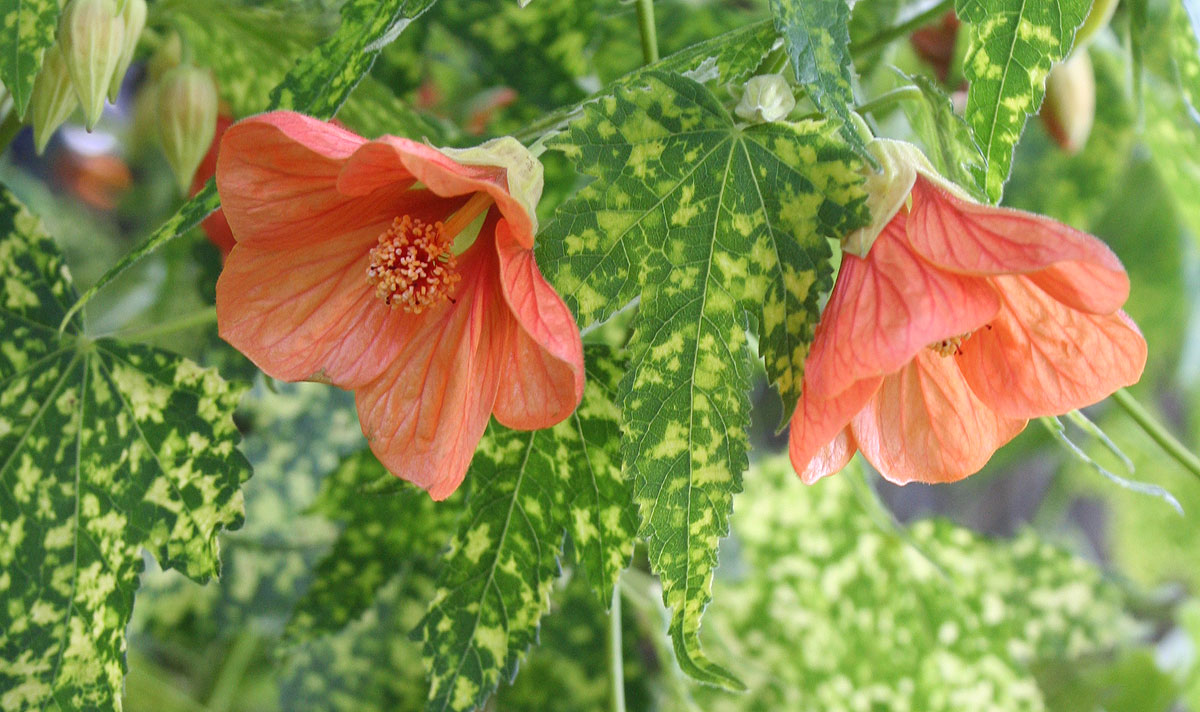
Abutilon pictum ‘Thompsonii’
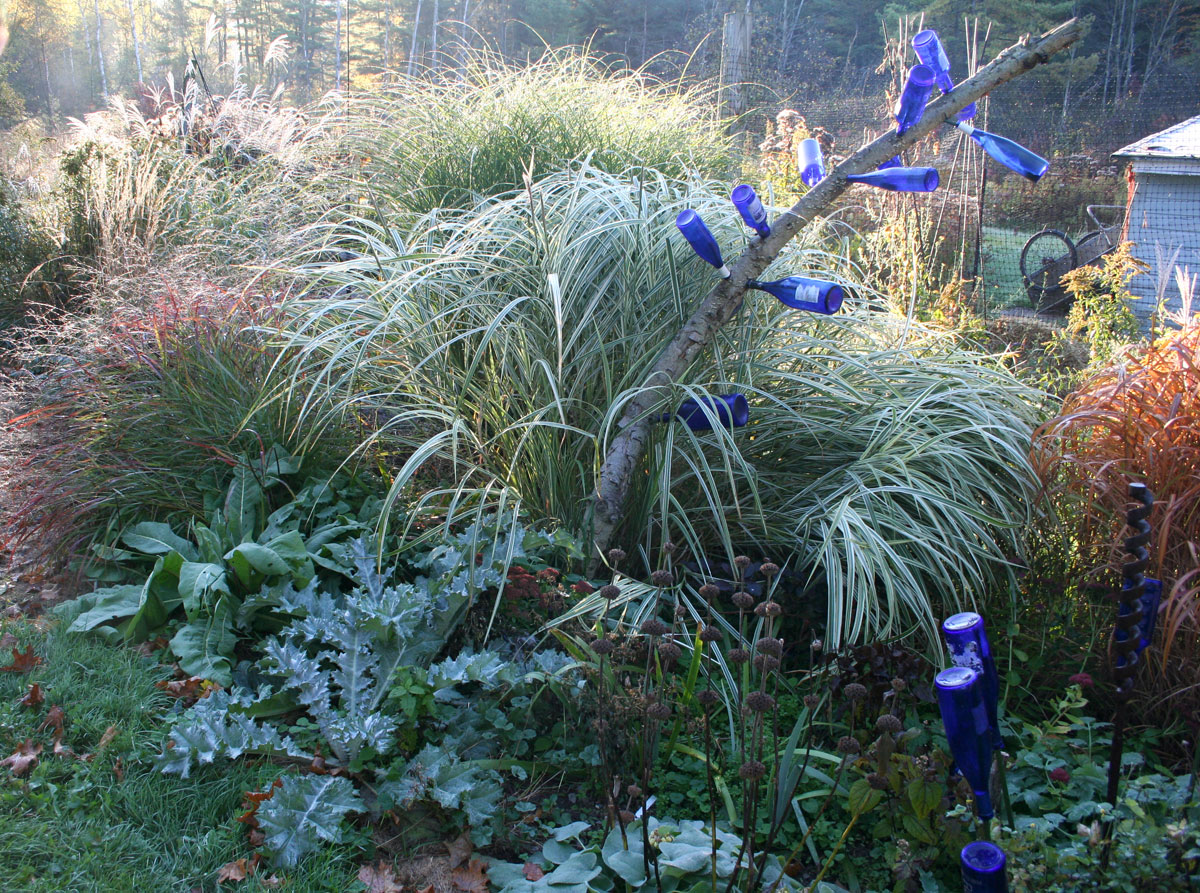
Grasses carry the weight in October.
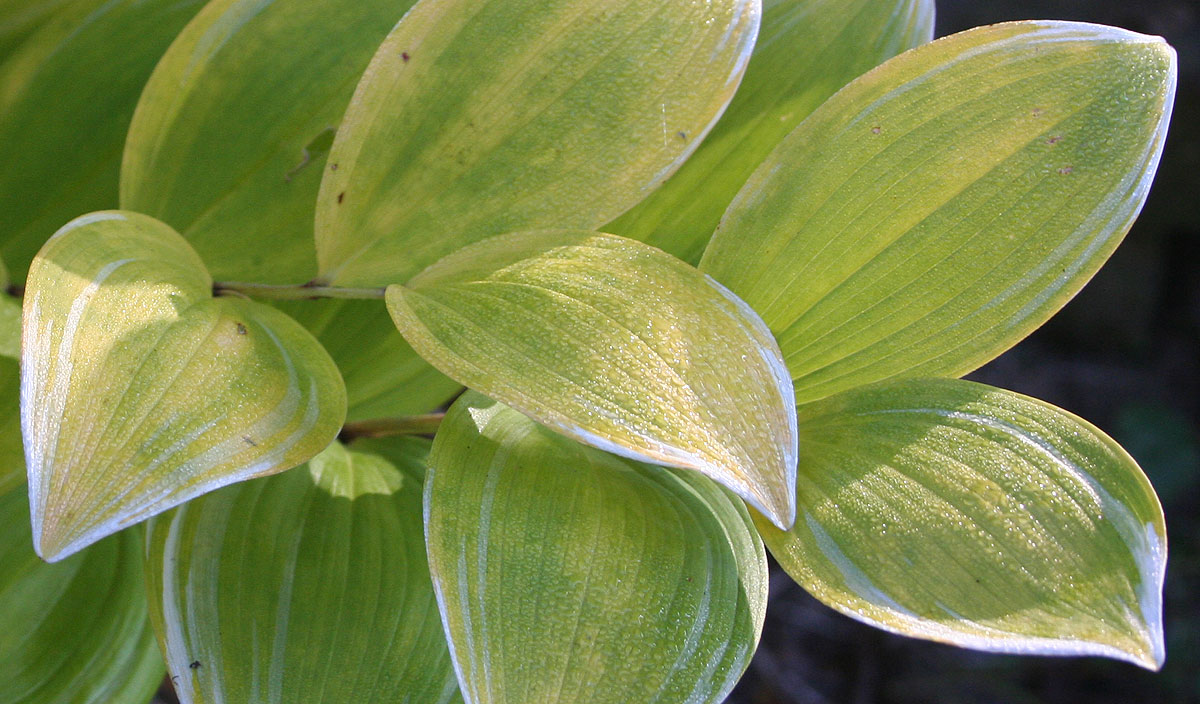
Fall colors start coming with Polygonatum odoratum ‘Variegatum’
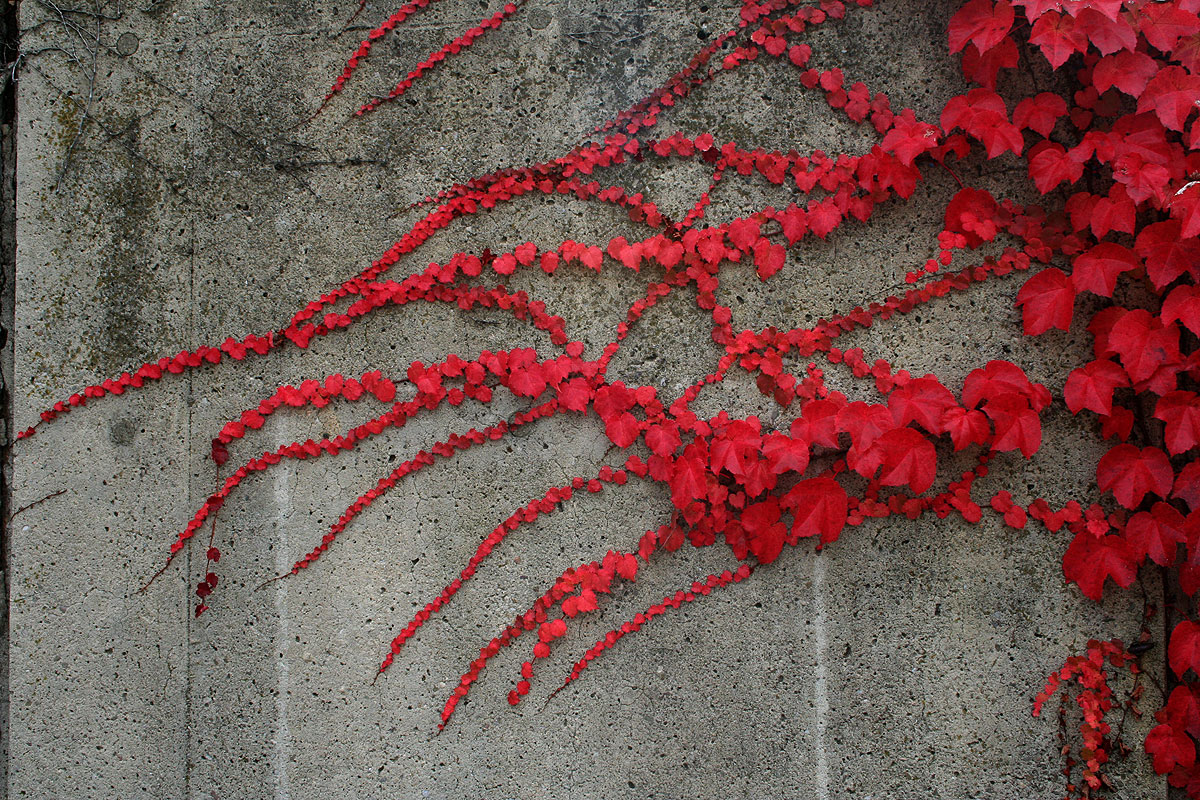
Ivy outside campus store.
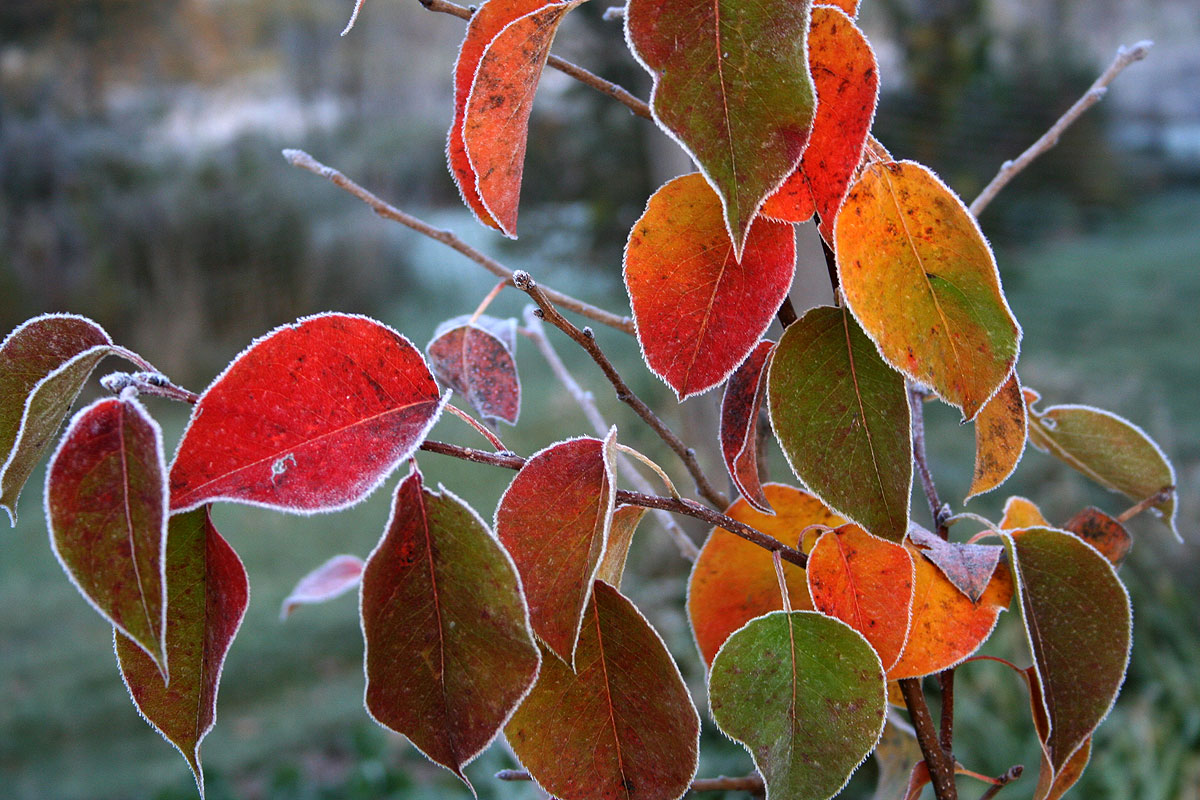
First frosts provide great photo opps …
Asian pear in the veggie garden.
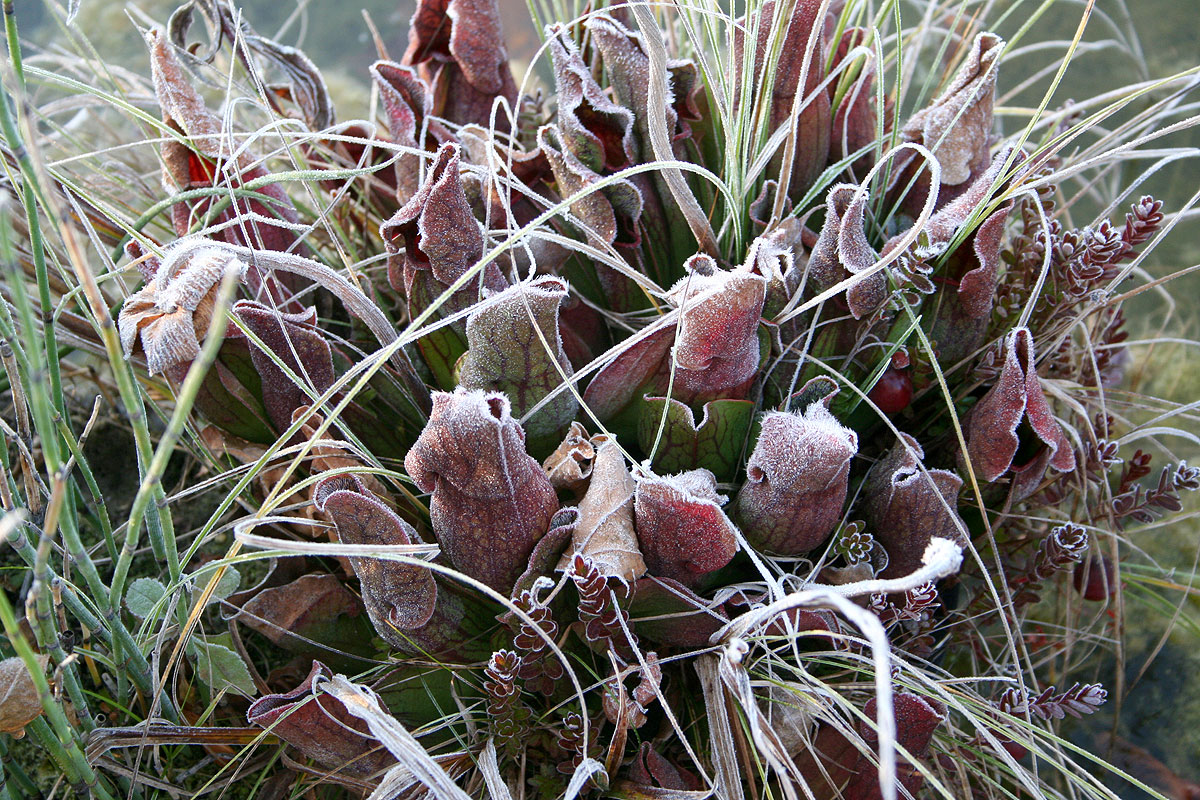
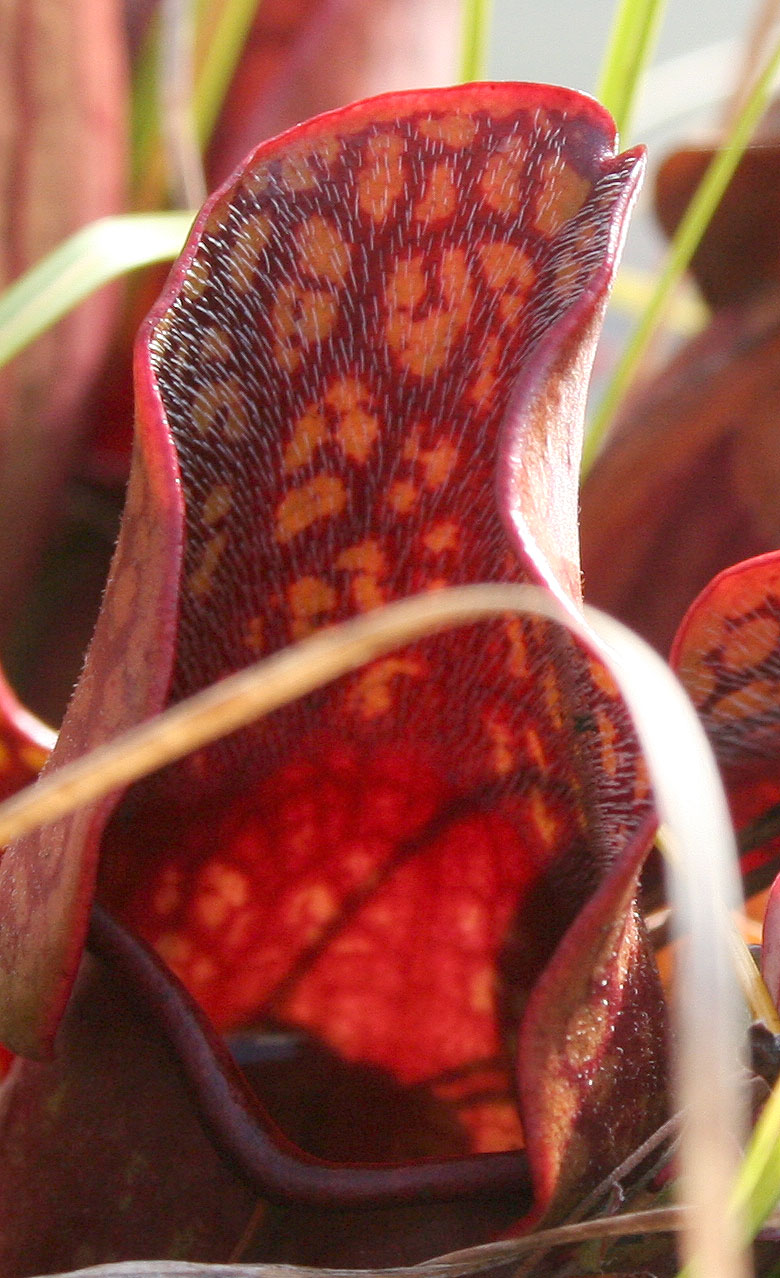
Pitcher plant
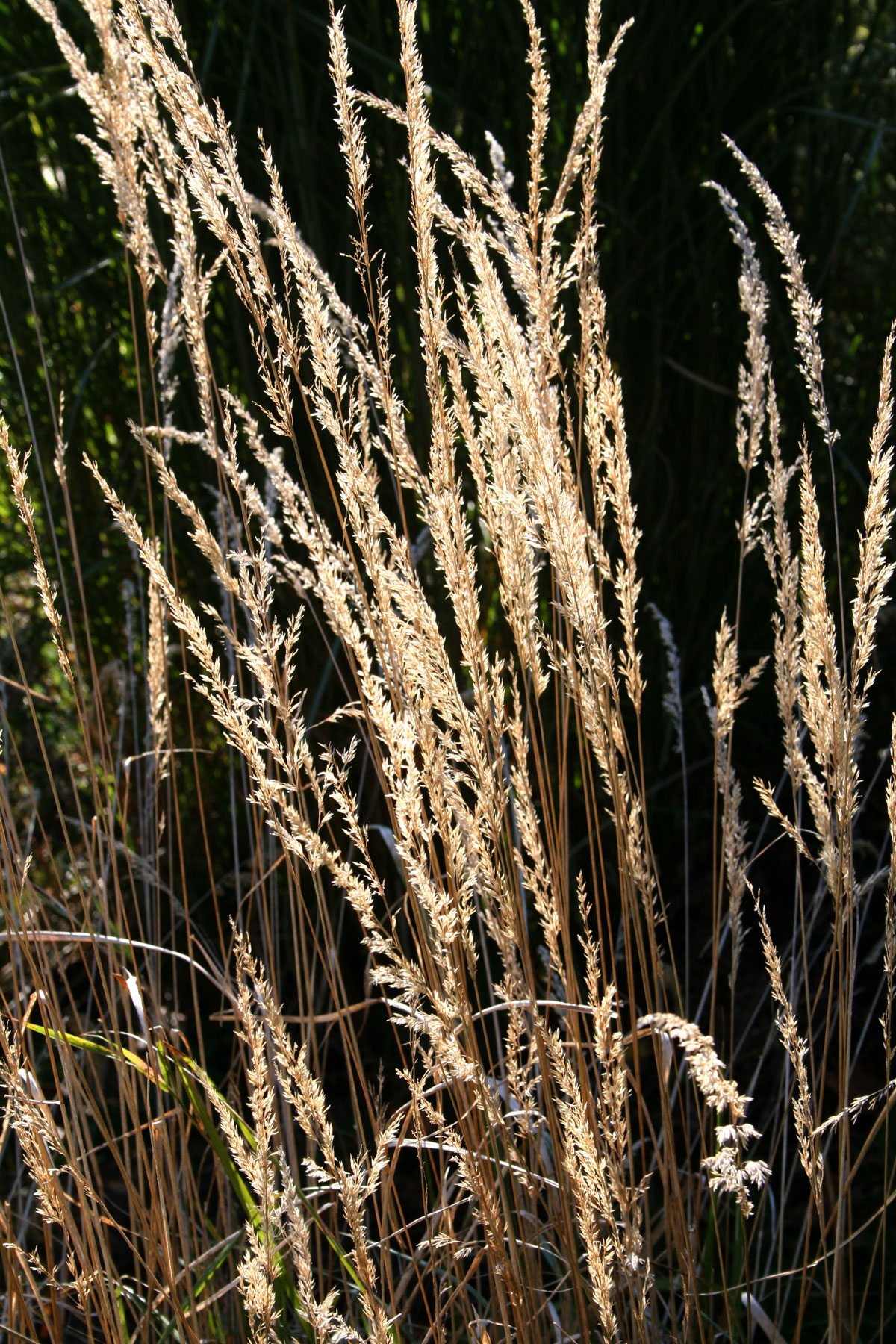
Backlit grasses usher in brown season.
November
Fall color is where you find it, like this pitcher plant …
… and this bittersweet and borrowed scenery.
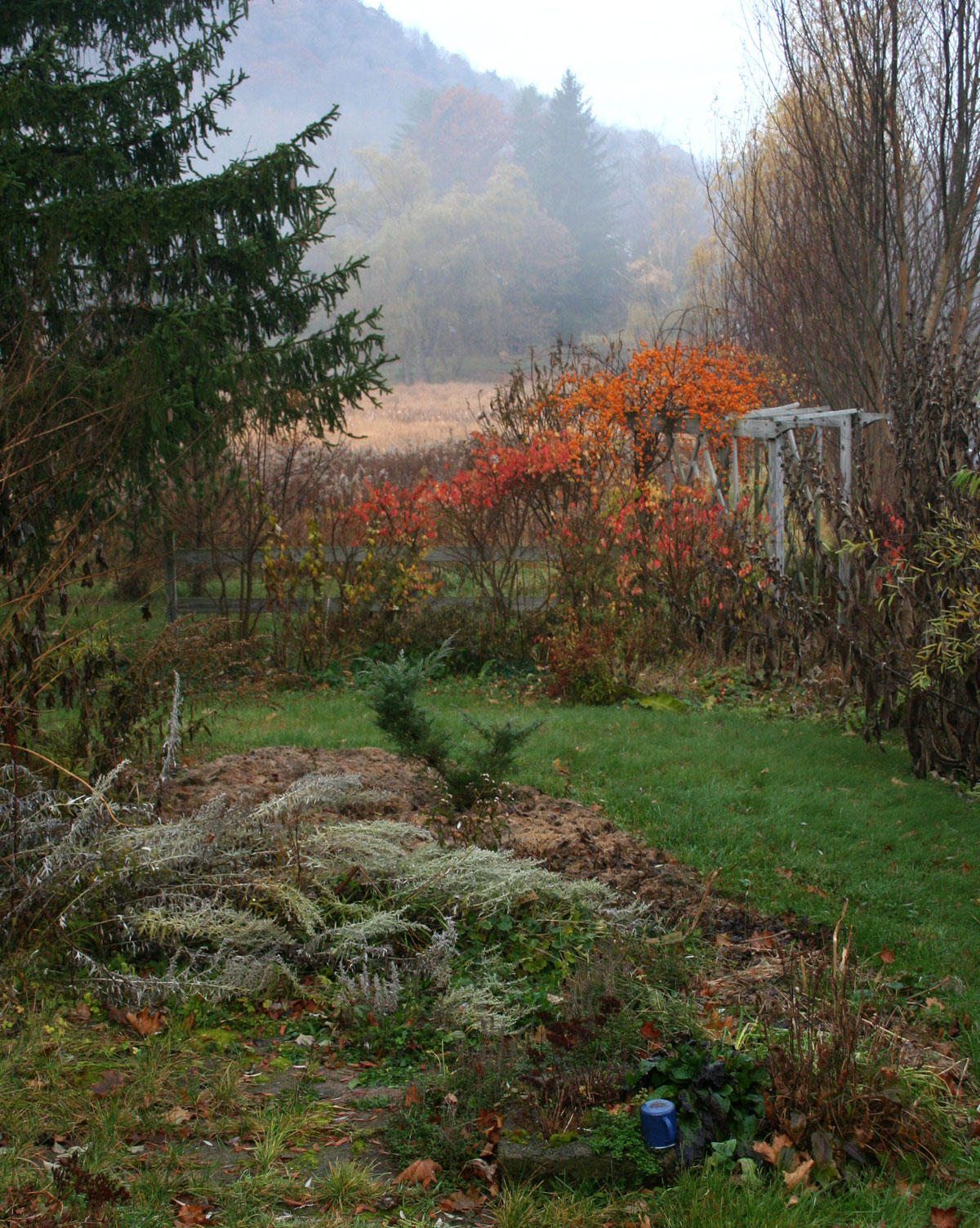
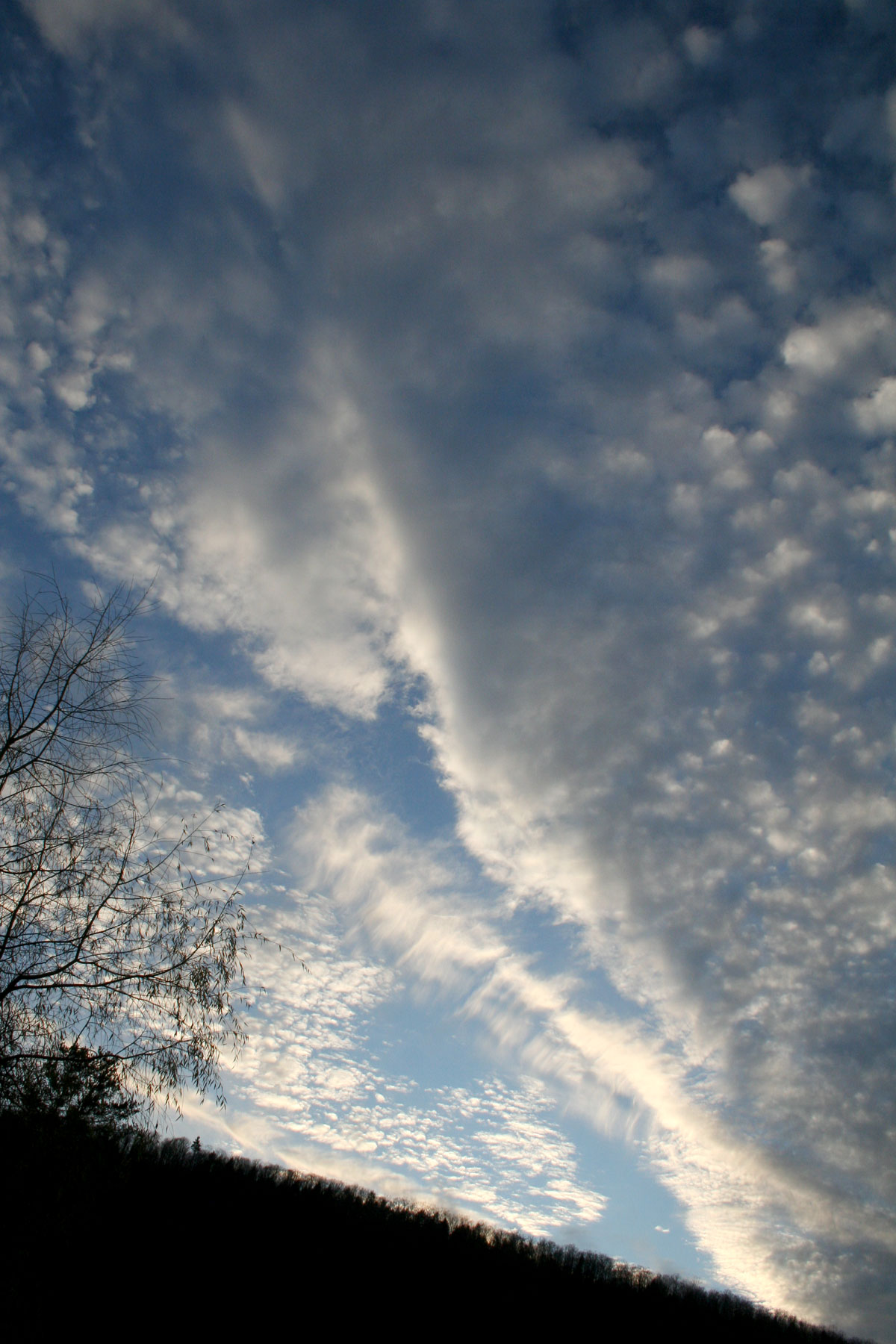
When there’s less to see looking down, you appreciate more the view looking up.
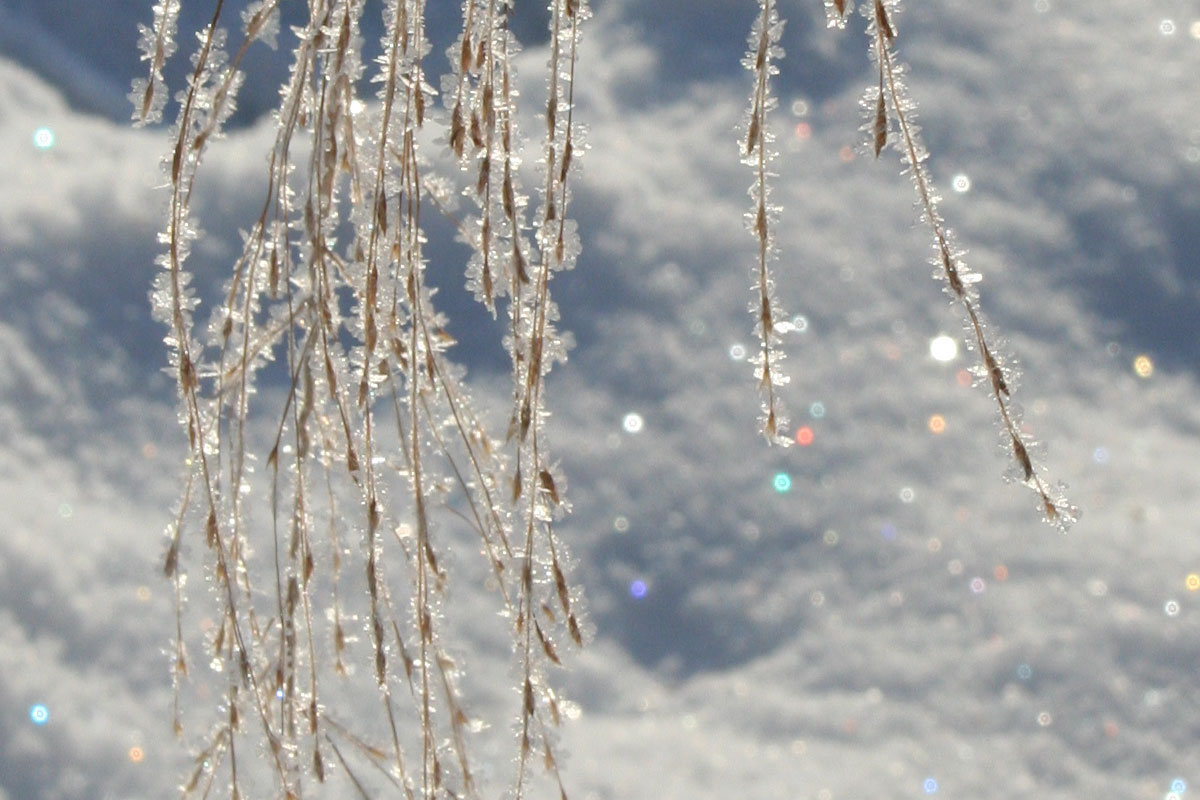
January came in November [impressions | the real thing]
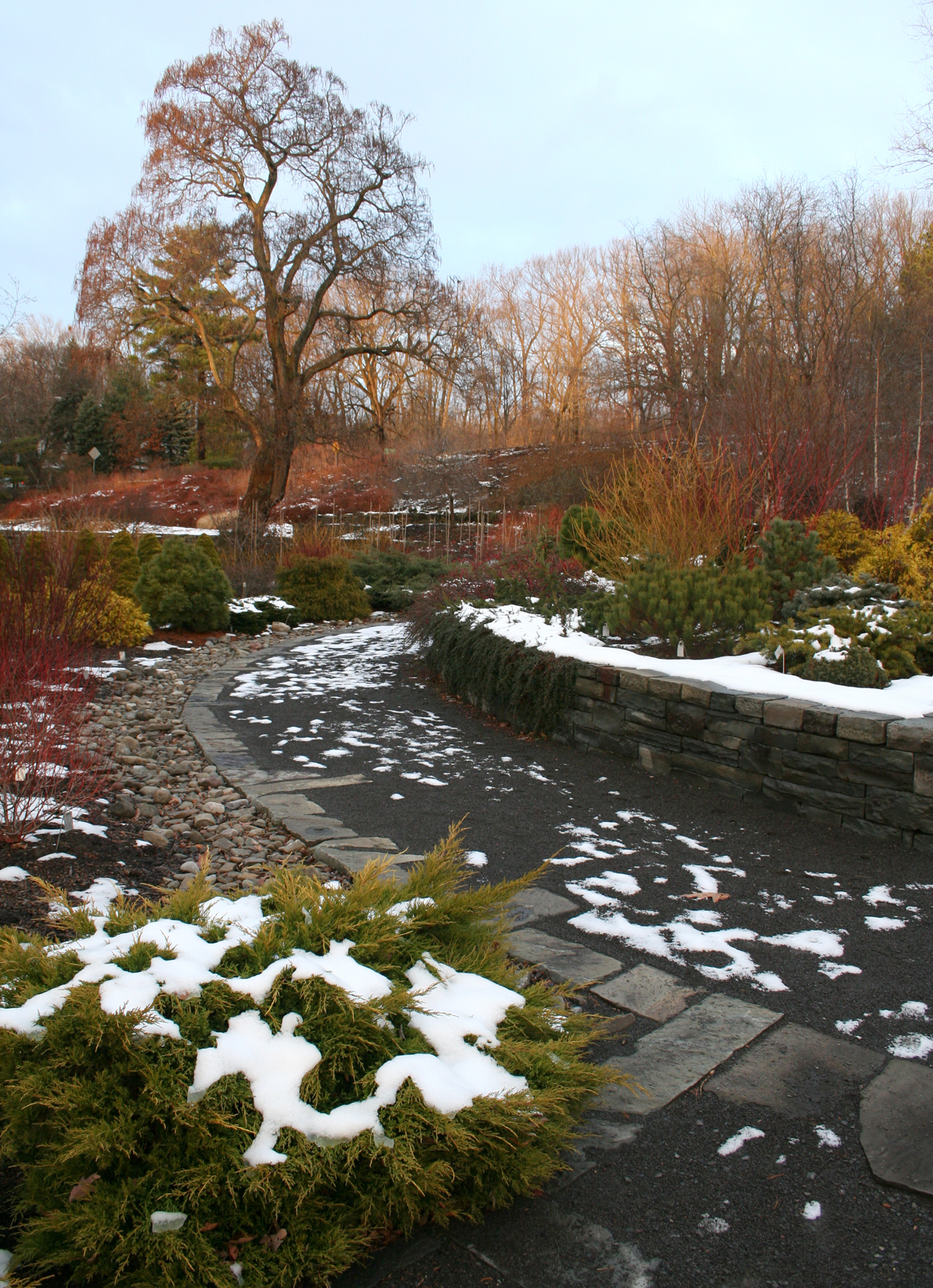
I visited the Winter Garden at Cornell Plantations as the light was waning.
December
Check out the student projects from Cornell’s Art of Horticulture class.
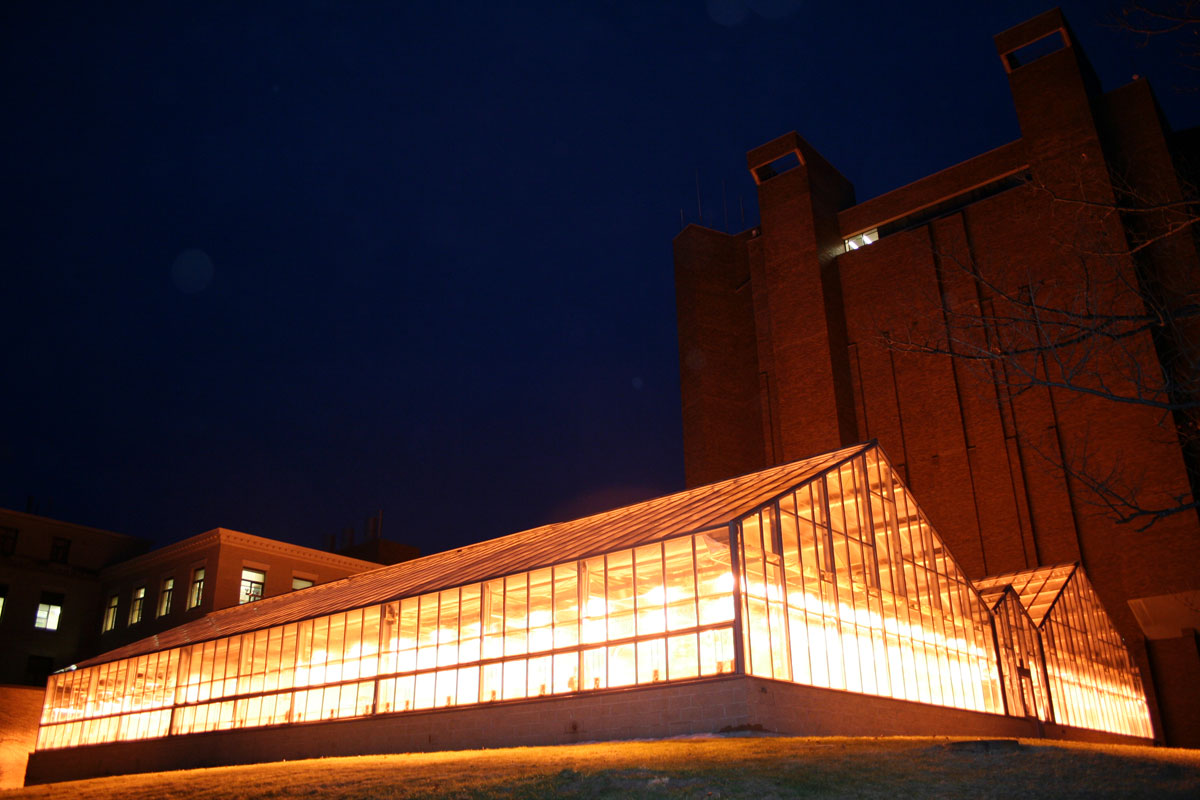
Glowing greenhouses make leaving work after dark a little less depressing during these SAD-inducing months.
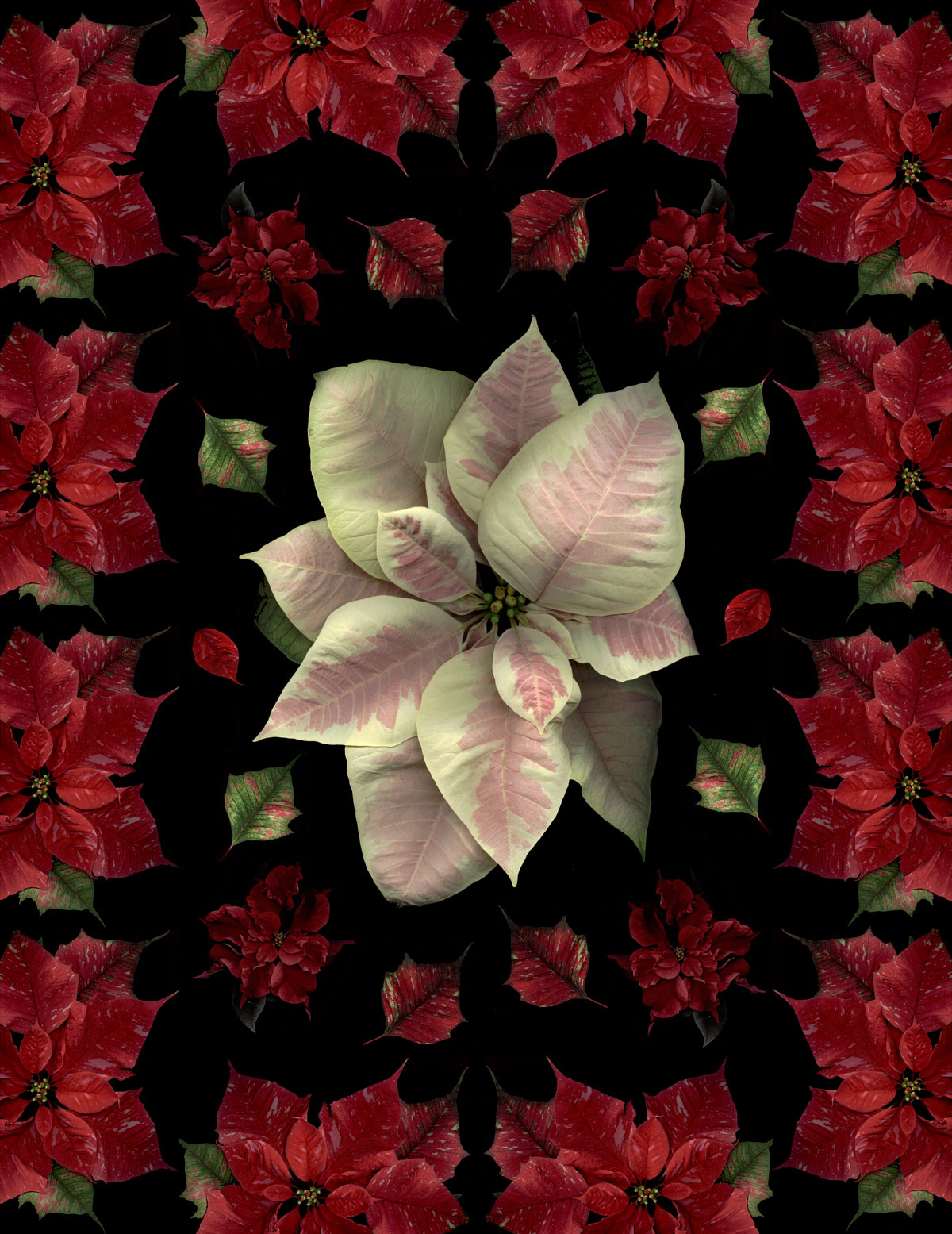
And I’ve now got a passable scan for December for my planned 2010 garden scan calendar.
Thanks for visiting and commenting. Best wishes for the New Year.