A couple weeks ago, I picked up a monopod for $15 at a big box store. I finally hauled it out the other day and I have to say that it makes a huge difference. I get much less shake under low light/long exposures.

Scanner art by Craig Cramer, gardening & more
Herbaceous perennials I grow.
A couple weeks ago, I picked up a monopod for $15 at a big box store. I finally hauled it out the other day and I have to say that it makes a huge difference. I get much less shake under low light/long exposures.
 No, I’m not talking about that little kerfuffle with Kerr-McGee back in the ’80s.
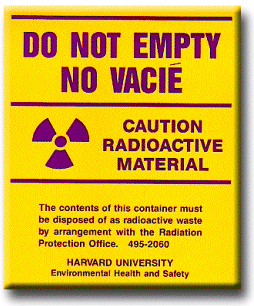
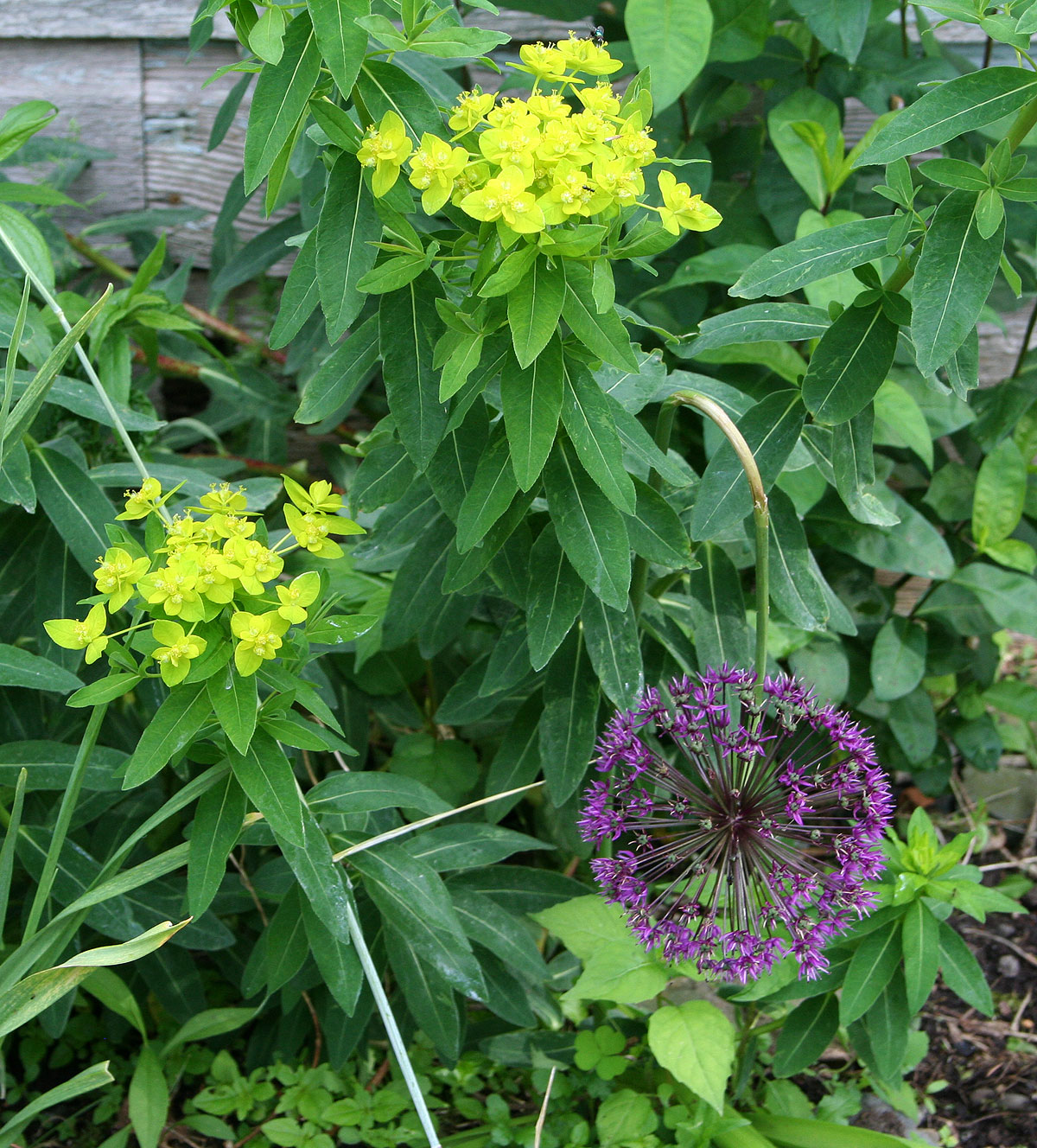
There’s areason that radioactive waste signs are purple and yellow. Purple and yellow are complementary colors — colors on opposite sides of the color wheel — like red and green or orange and blue.
They compete for the attention of the eye, and so accentuate each other when located close together. On radioactive waste signs, they screem for attention.
If I were a better designer, I’d take advantage of that. But I do notice when it occurs by happenstance.
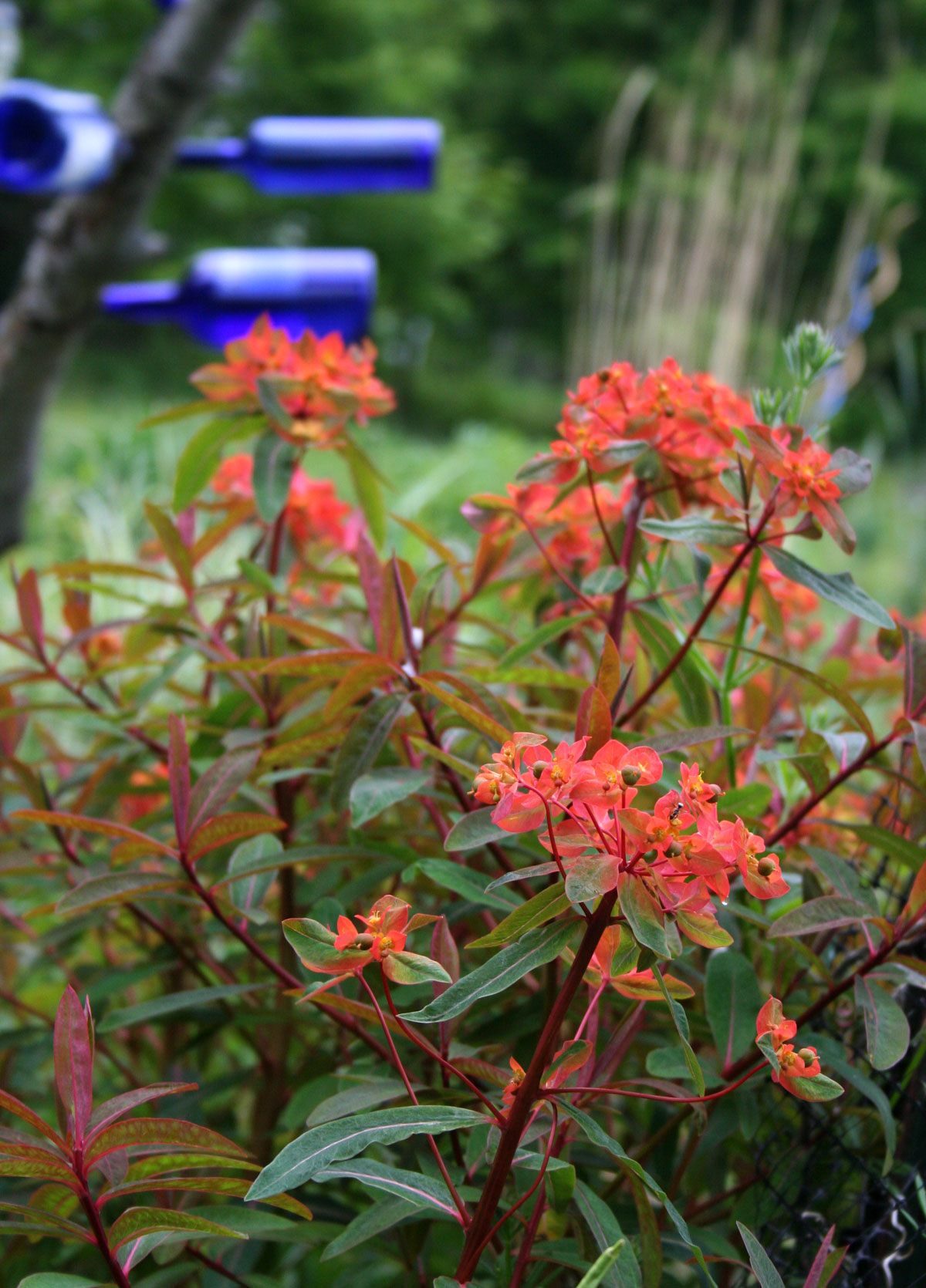
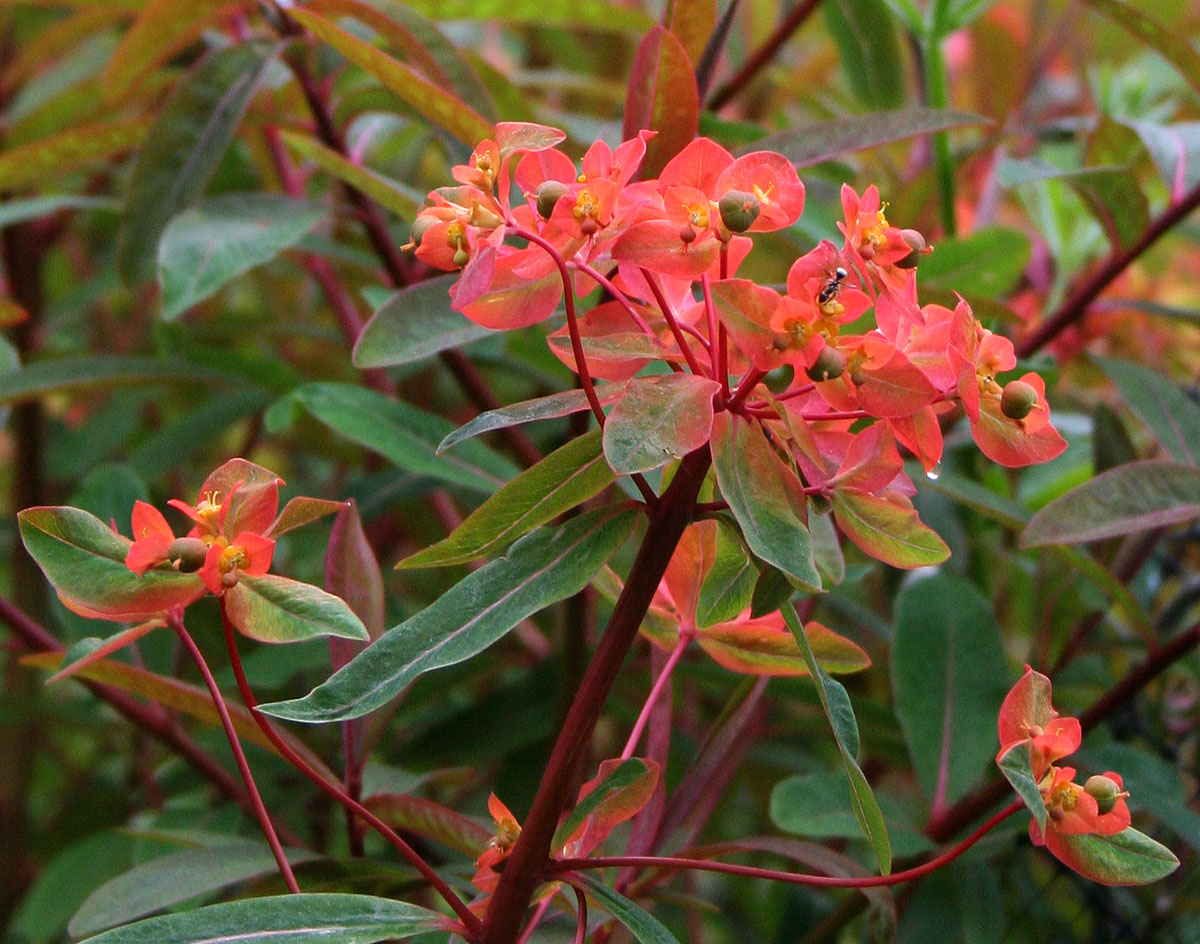
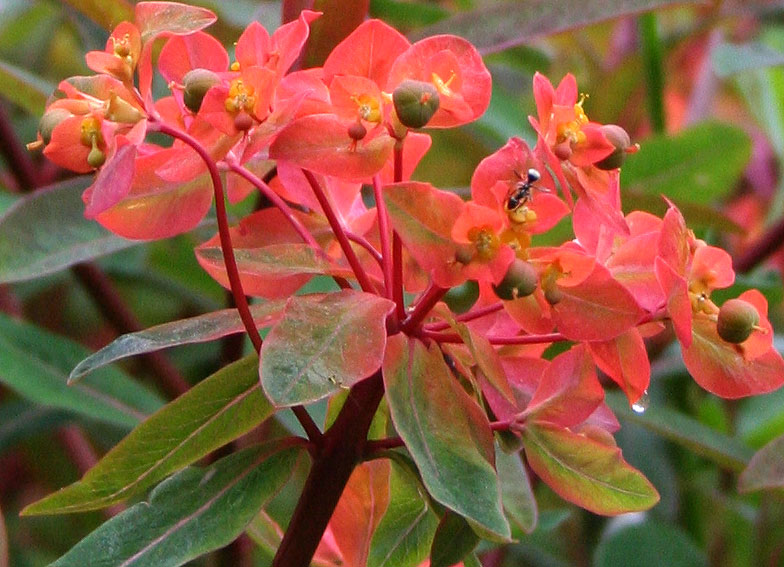
Euphorbia and allium…
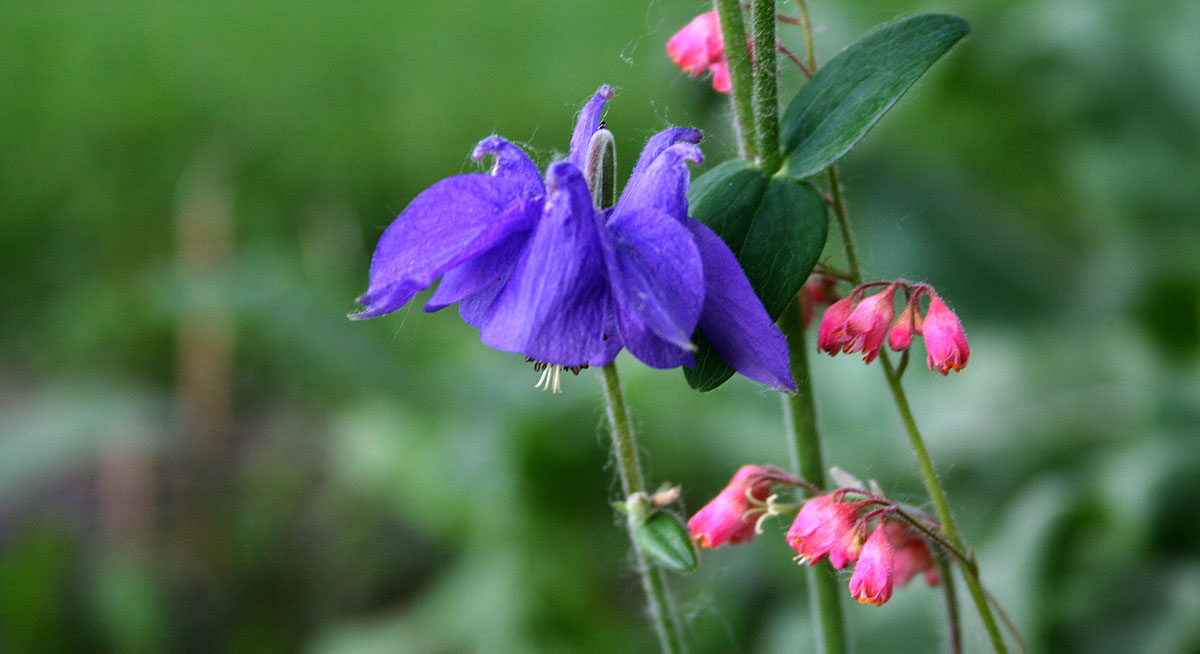
Purple (columbine) and orange (coral bells) have similar effect, though they aren’t exactly opposites on the color wheel.
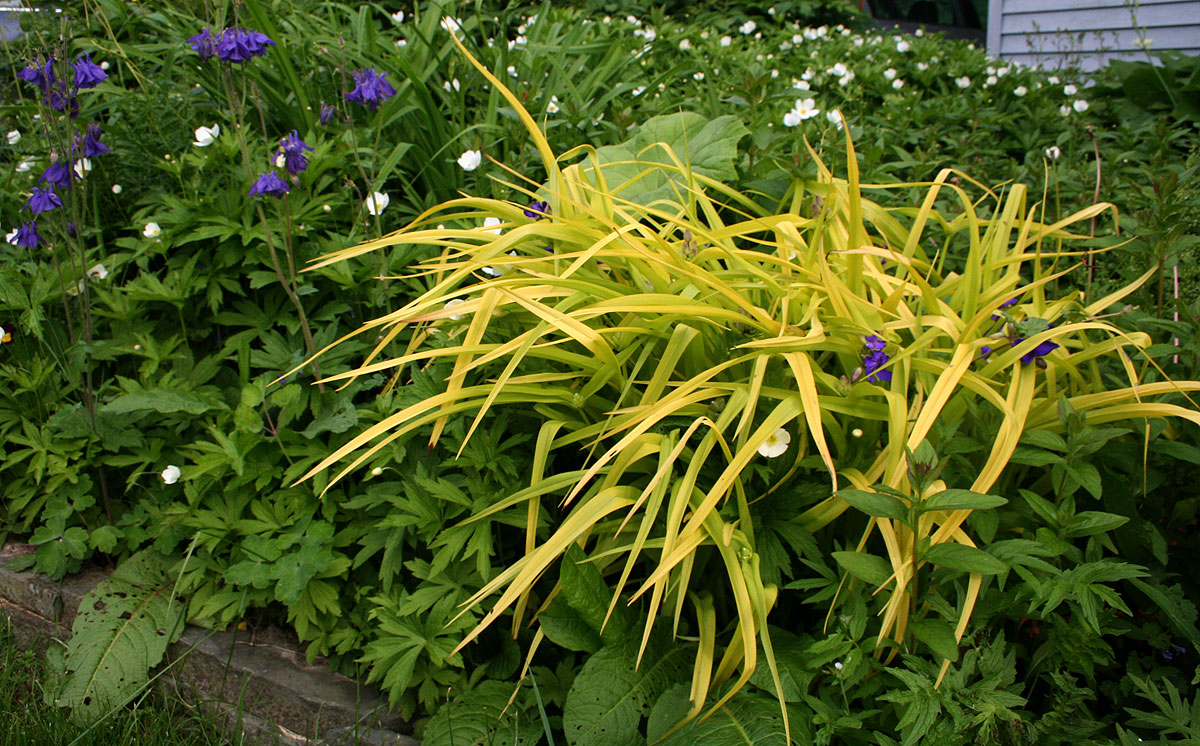
Tradescantia with its own purple flowers and some columbine nearby …
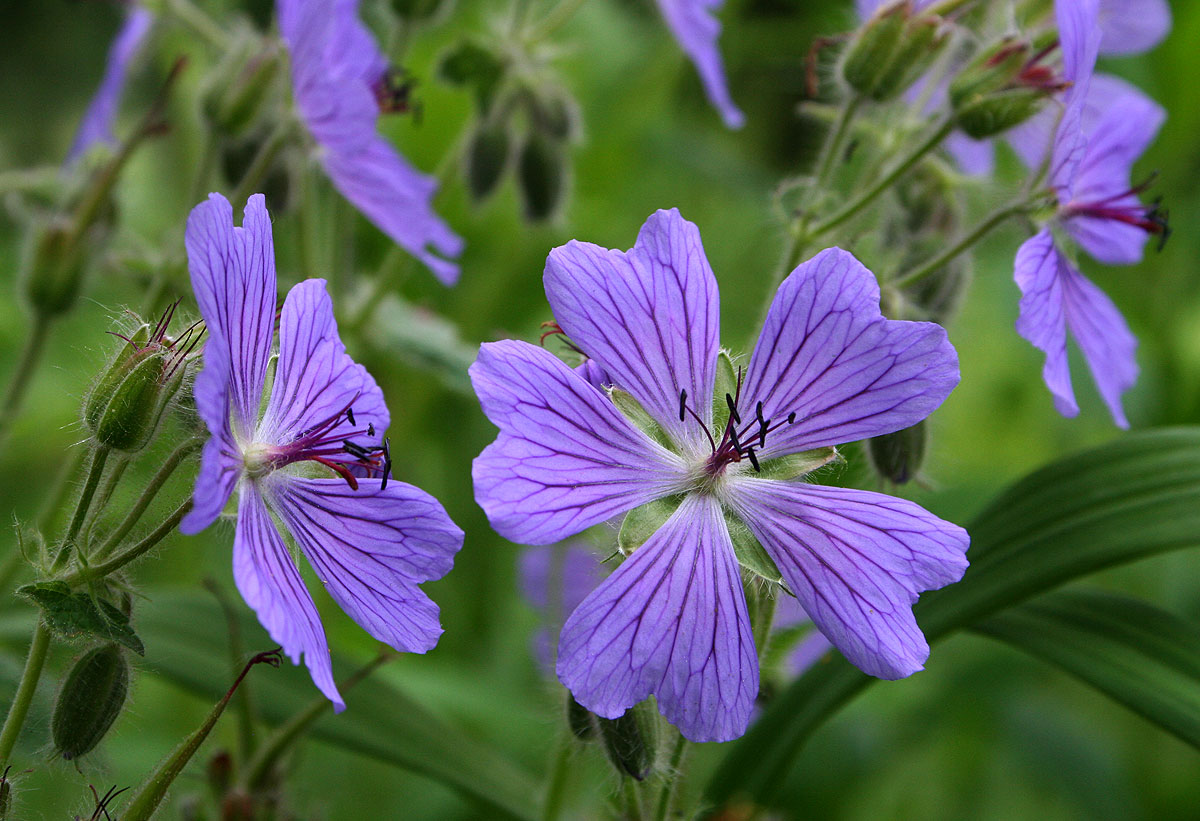
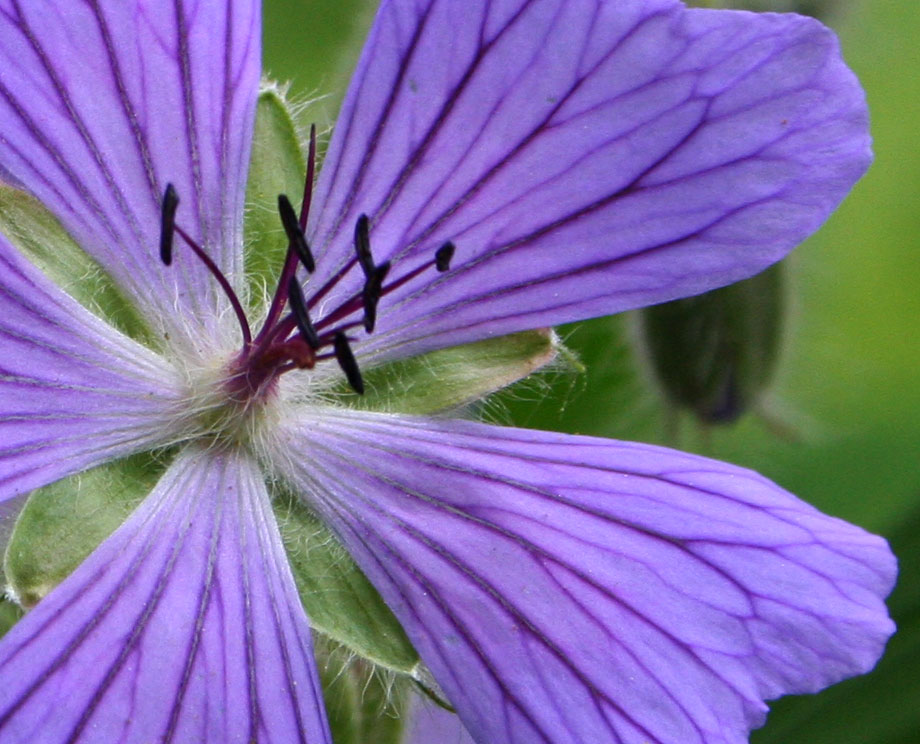
More purples that I should team up with some yellows. Geranium … [Update: That’s Geranium renardii “Nätnäva”, judging by pix from Ken in Sweden.]
Closer …
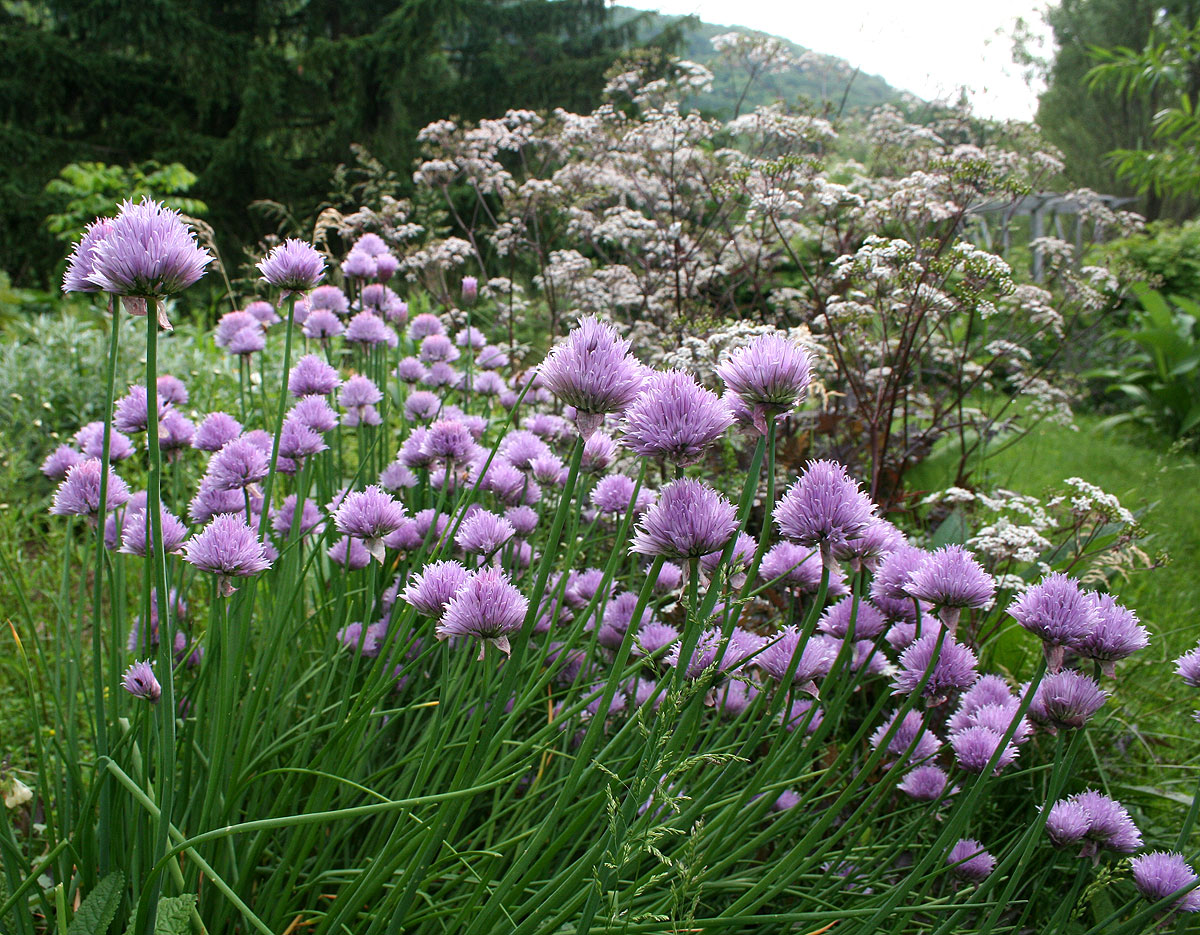
Chives and cow parsnip.
As a kid, I used to take chunks of all four glow-in-the-dark colors of Play-Doh and work them in to one lump. I’d keep kneading that lump until the colors formed psychedelic patterns. My very own hunk of Peter Max. But if you worked that hunk too much, the colors all blended together to dull gray.
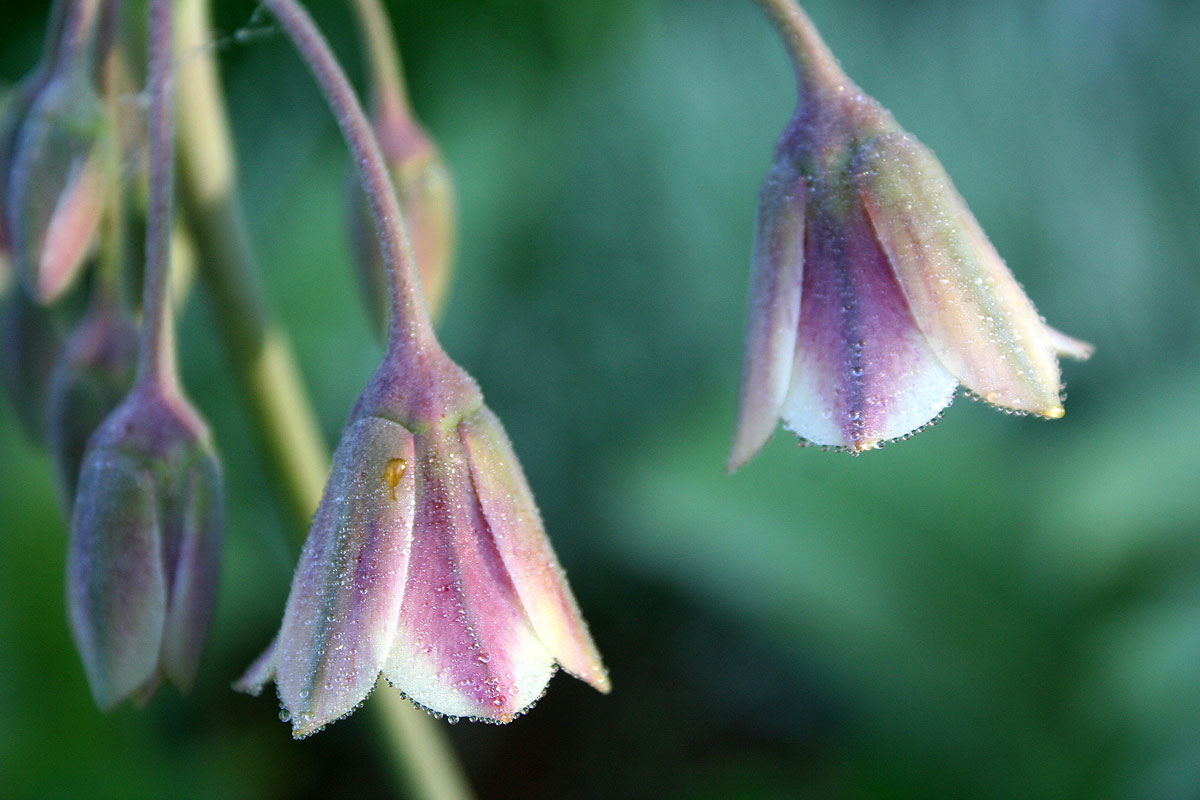
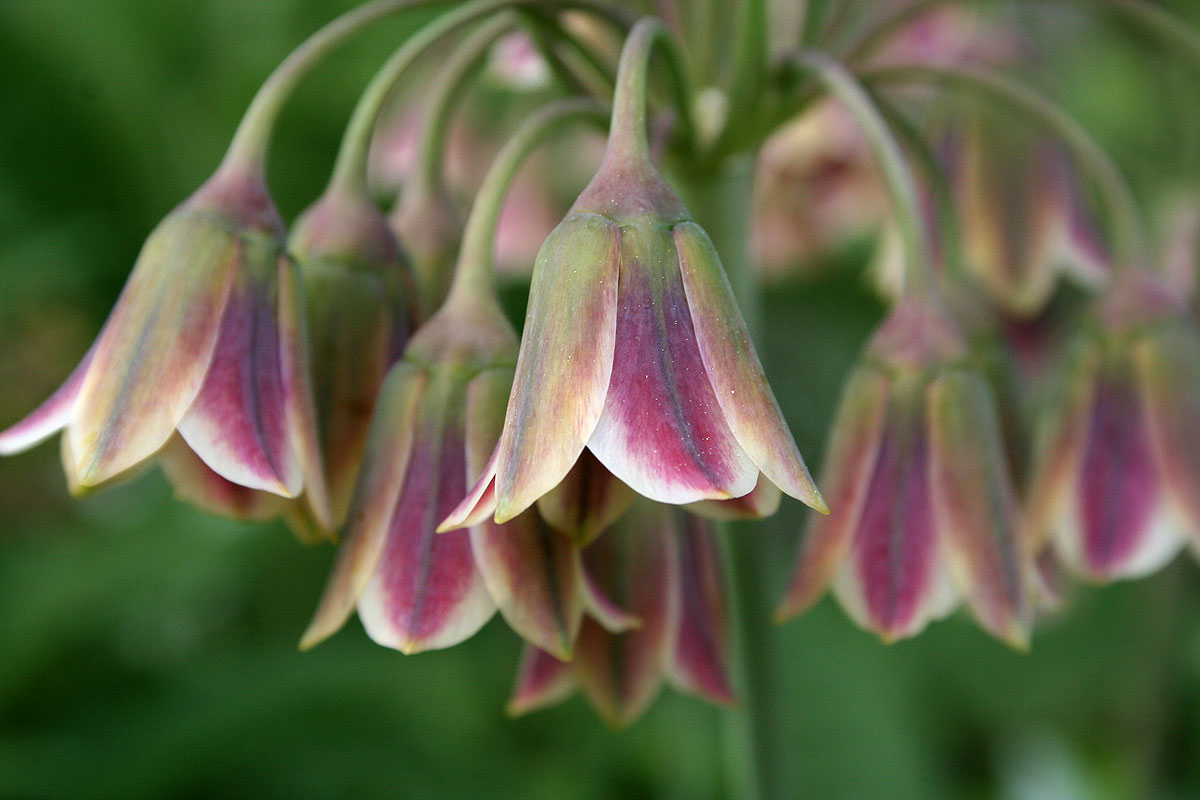
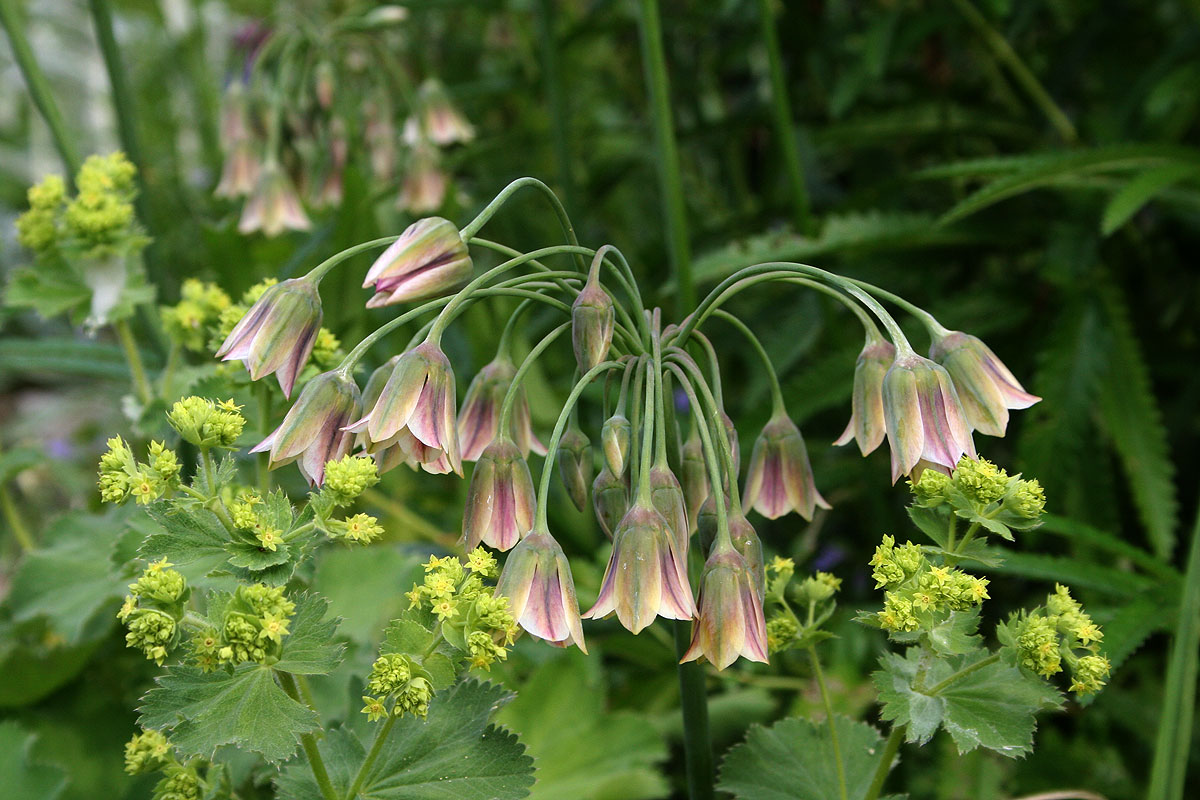
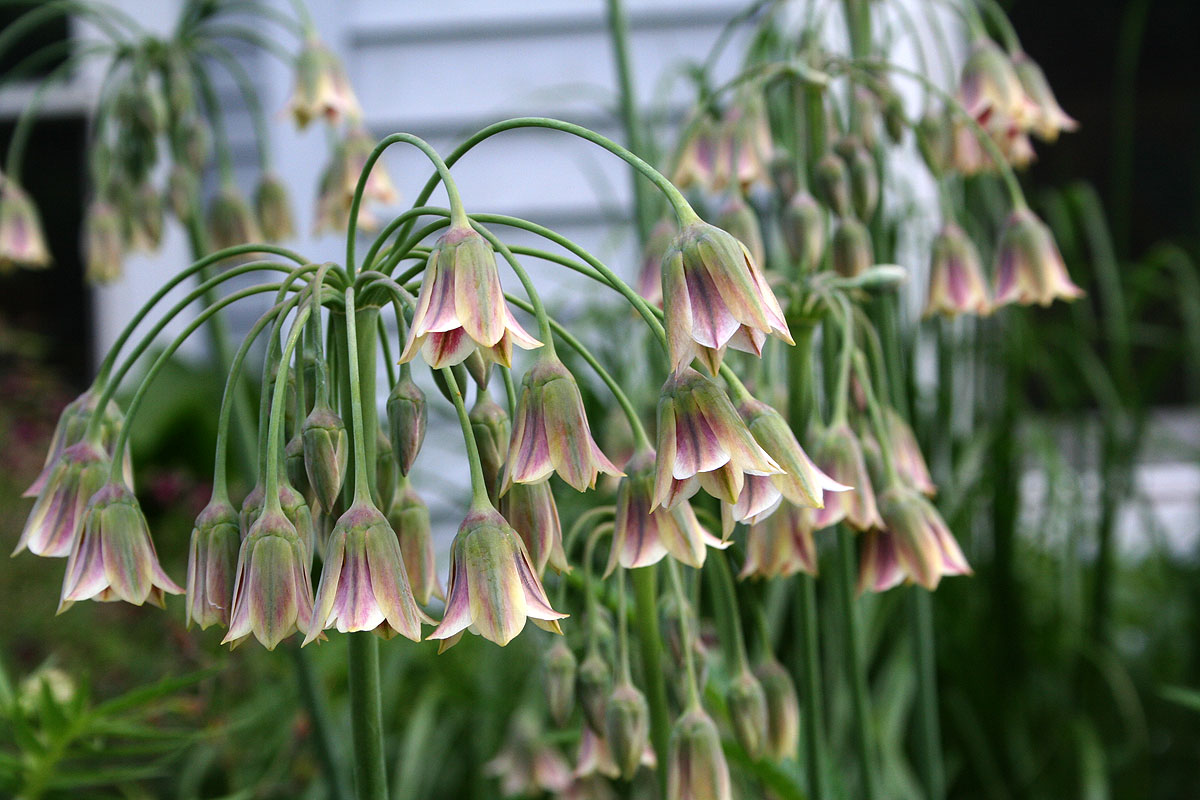
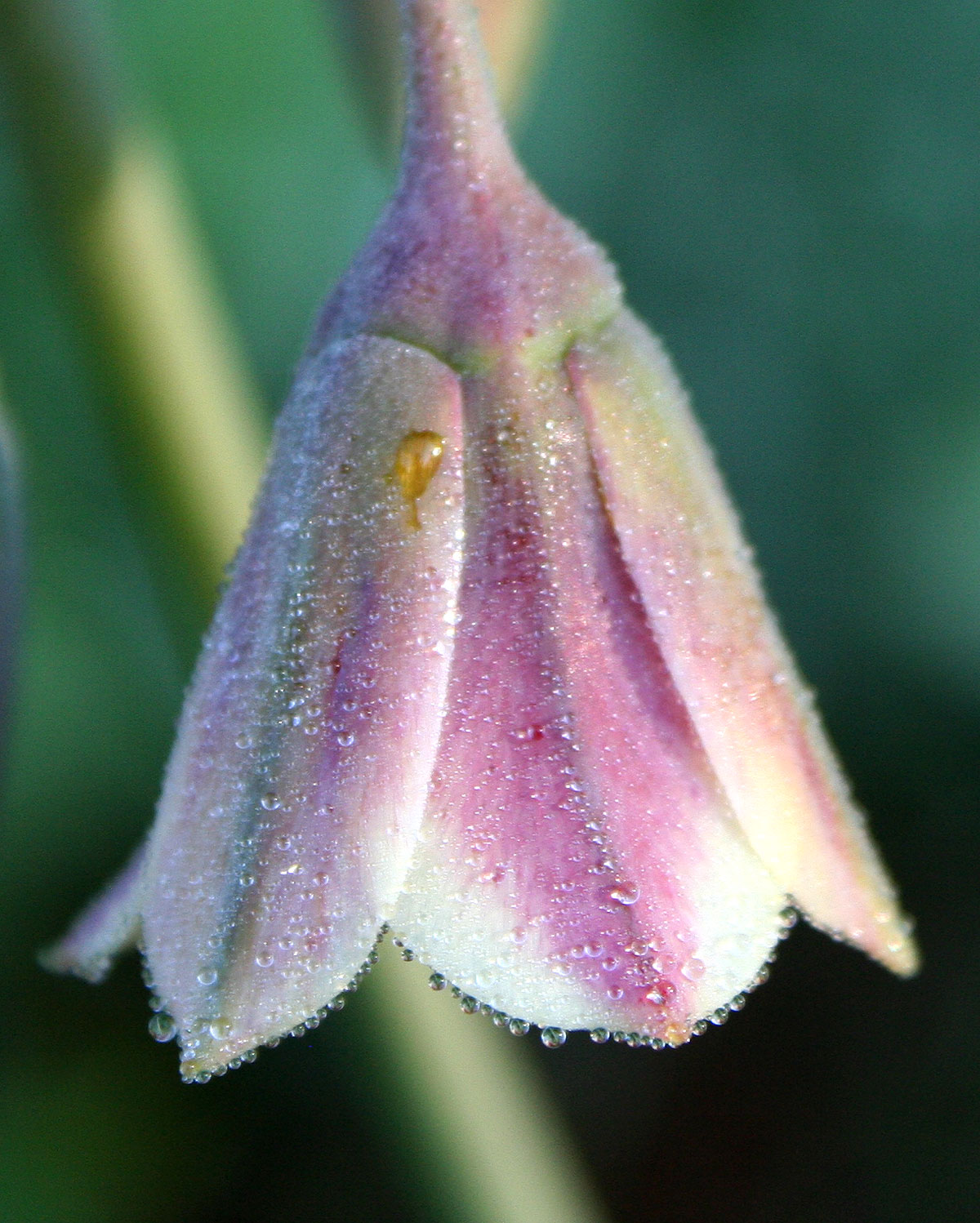
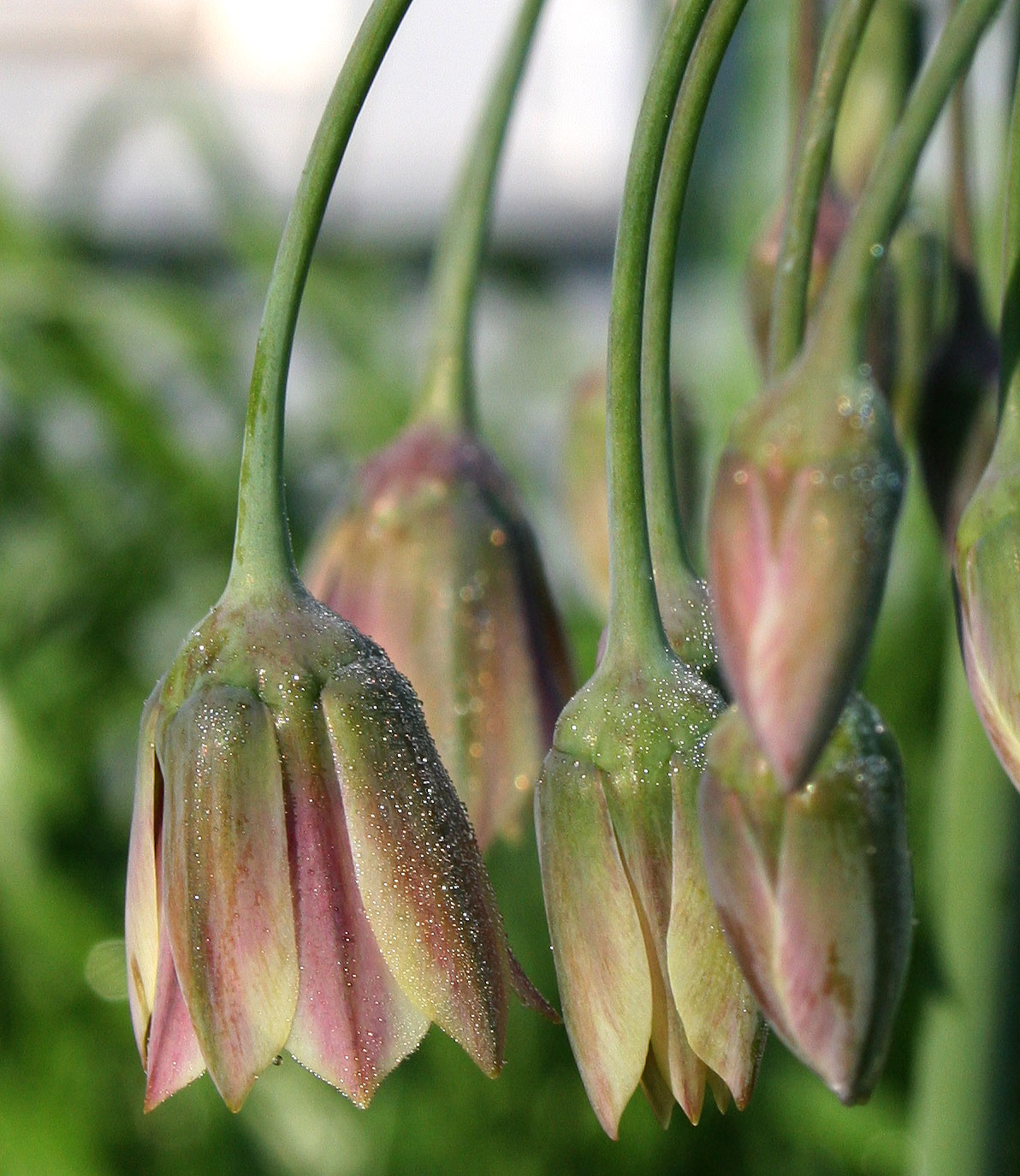
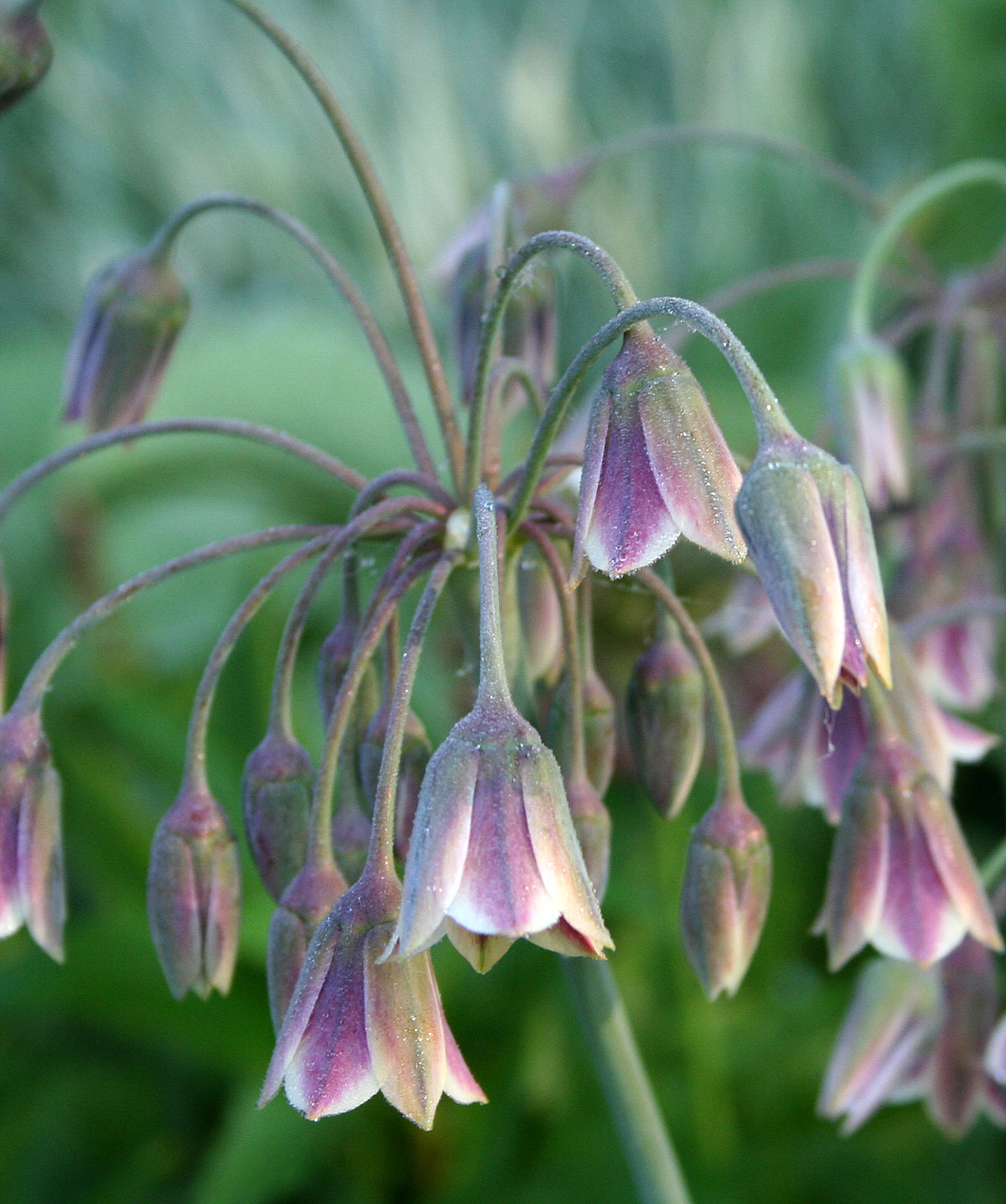
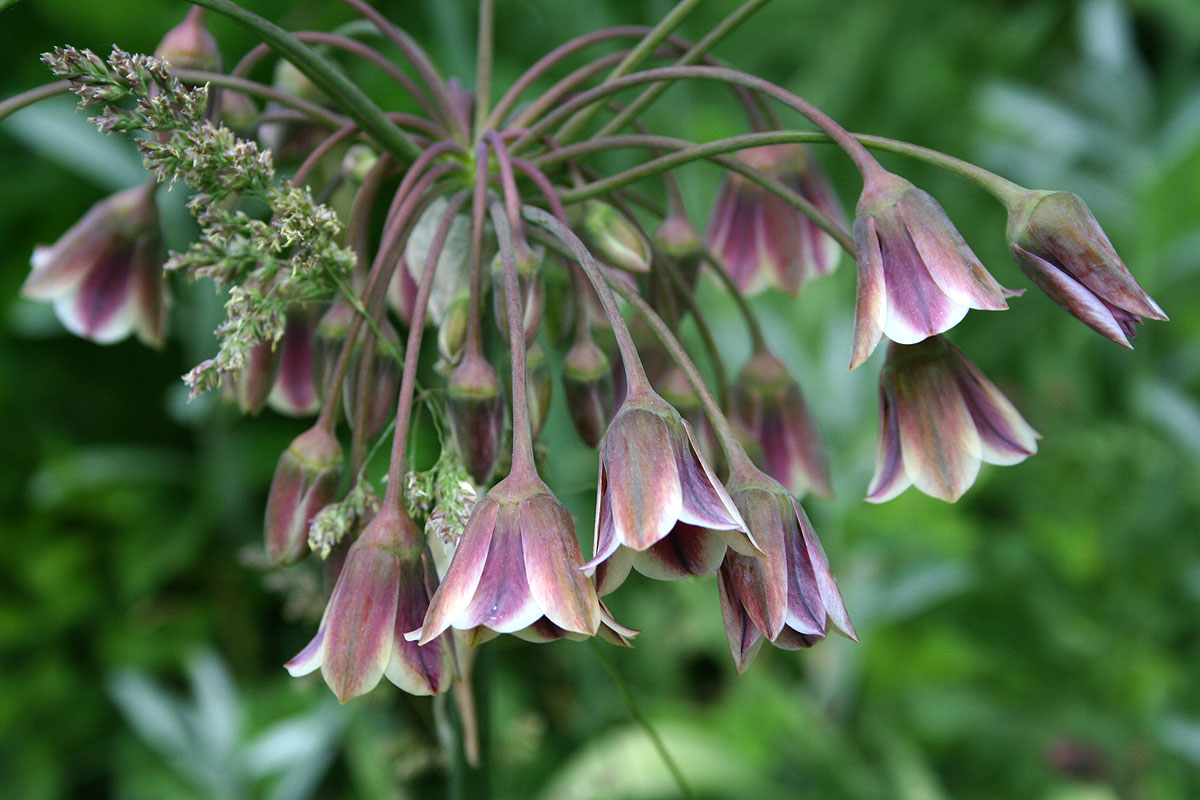
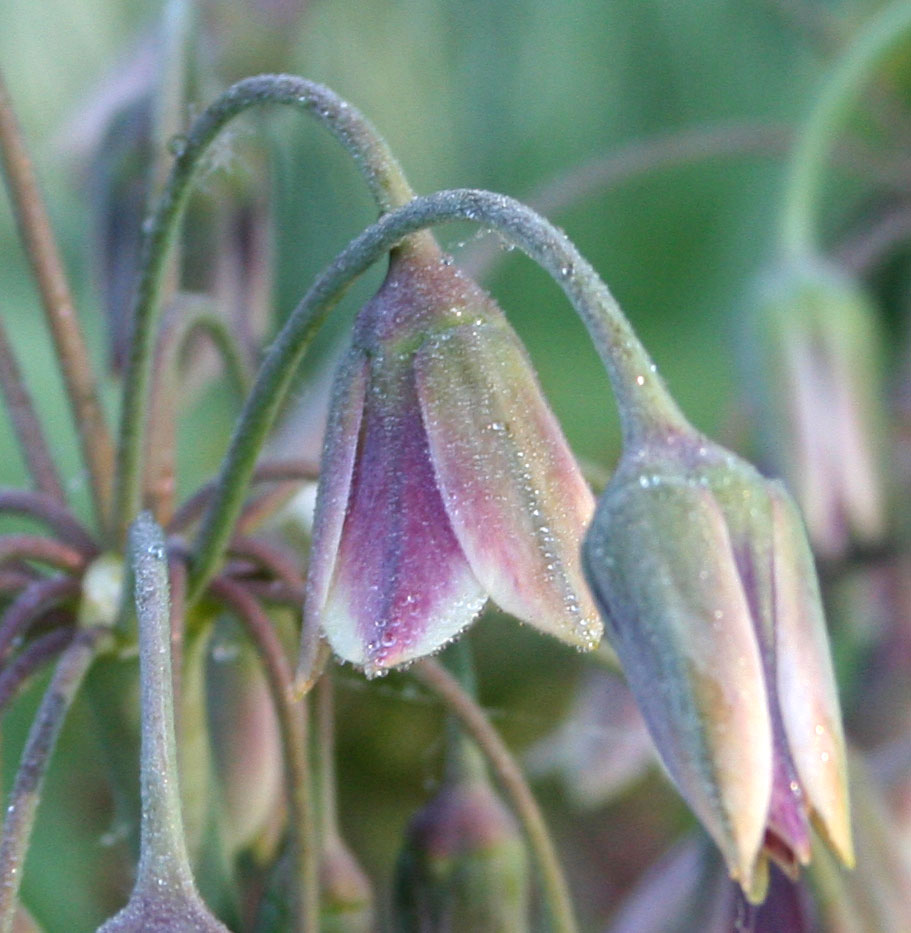
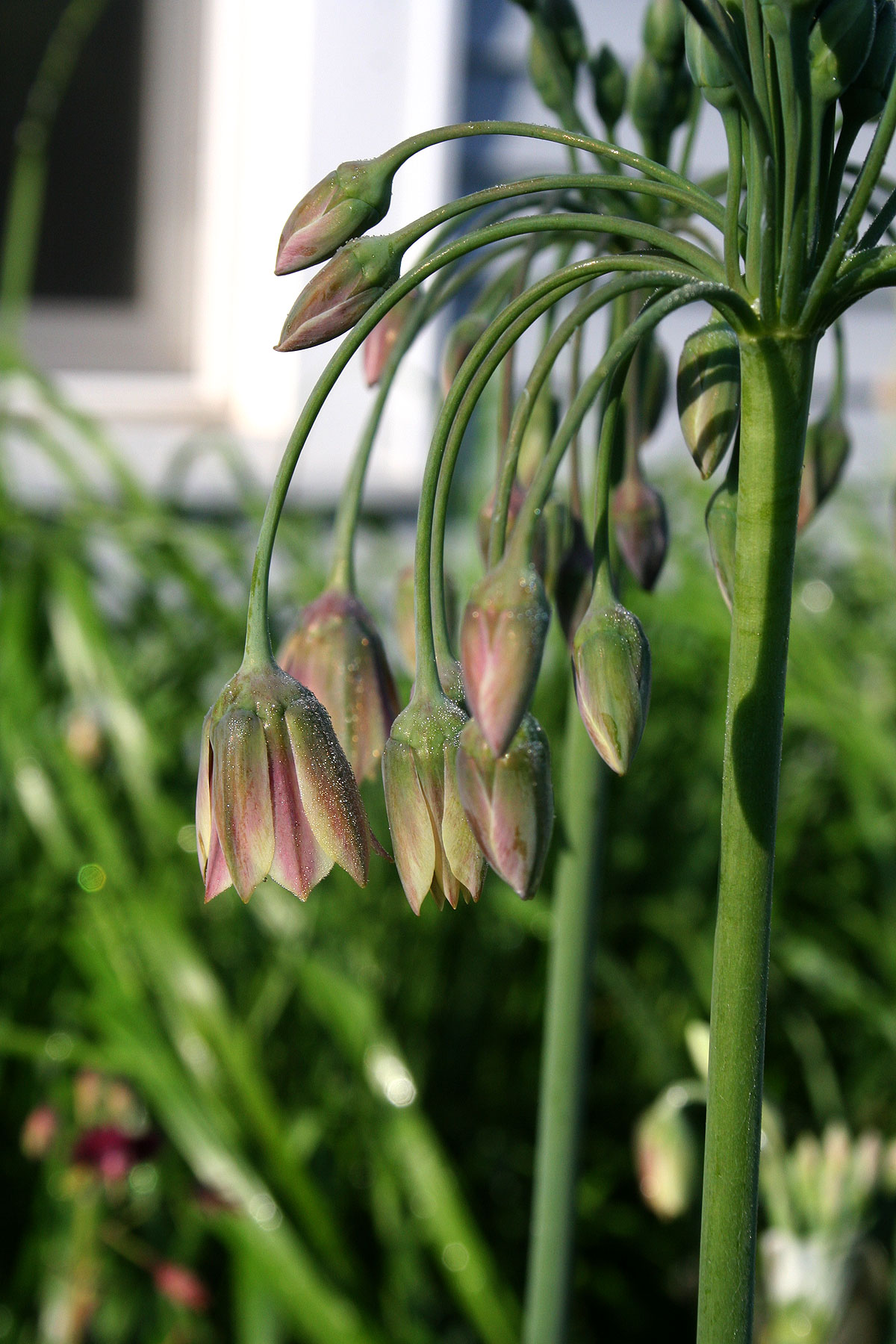
What’s that got to do with Nectaroscordum siculum ssp. bulgaricum, my favorite flower this time of the year? From a distance, it’s pretty homely. All the subtle colors blend together and the eye turns them to a barely noticeable grayish green. But if you get up close, it’s a mixed sherbet delight. The colors also change dramatically depending on the light.
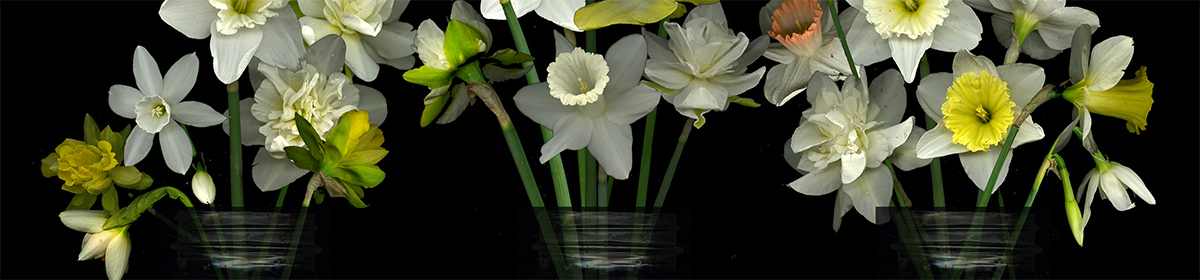
The structure is a bonus — interesting enough to inspire this sculpture from some pictures I took I took last year.
More Nectaroscordum siculum ssp. bulgaricum than you probably want to see. But hey. It’s a favorite…
Late-spring/early summer has been whizzing by. Life’s been busy and haven’t had a chance to take many pix. And I’ve been slow to get them onto the blog. Here are some random shots to get caught up.
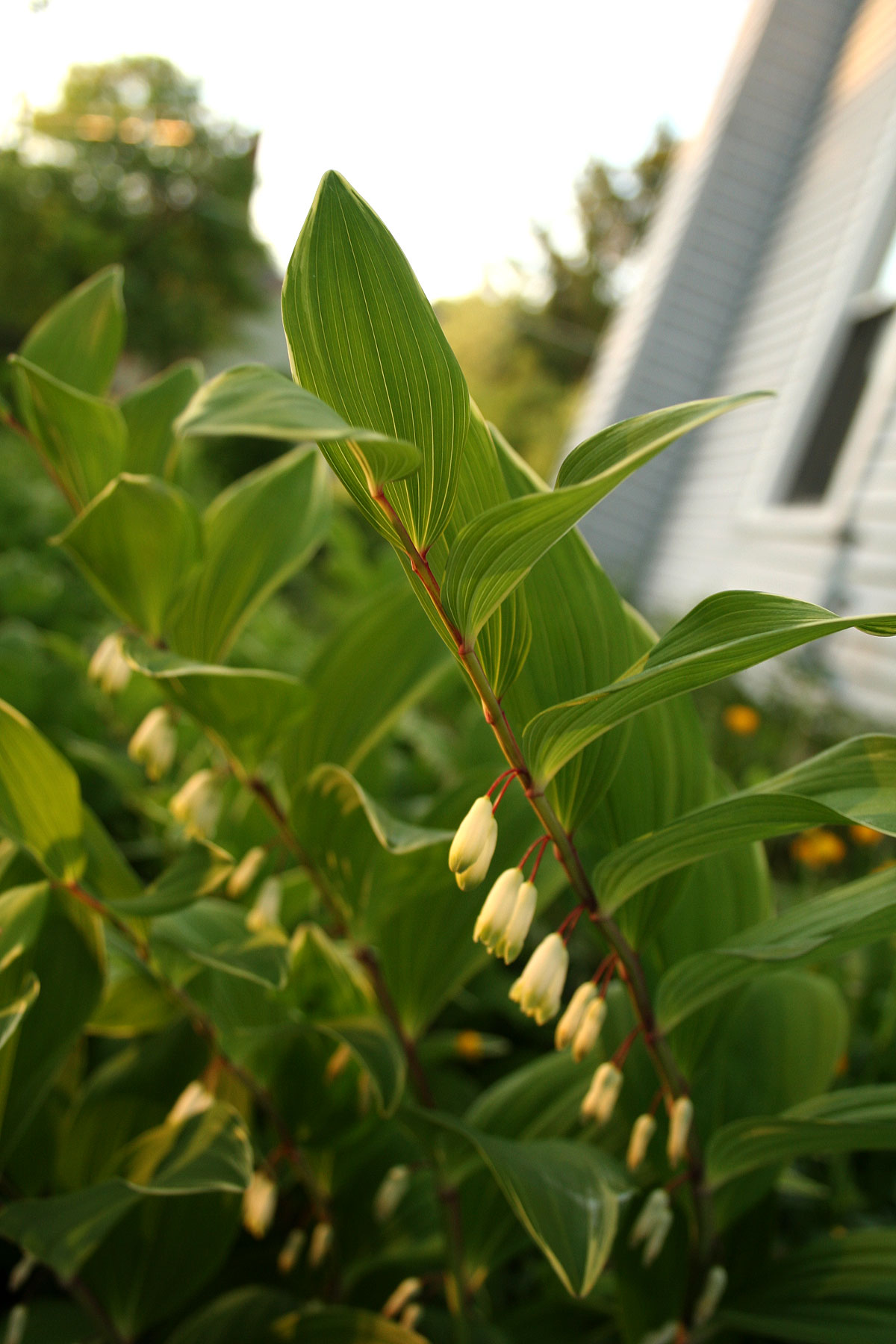
I notice that I’m shooting a lot of ’tilted’ shots. (The house in the background is the biggest giveaway.) Not sure why. I don’t think I’m doing it on purpose. I guess I just don’t feel obligated to level the camera any more.
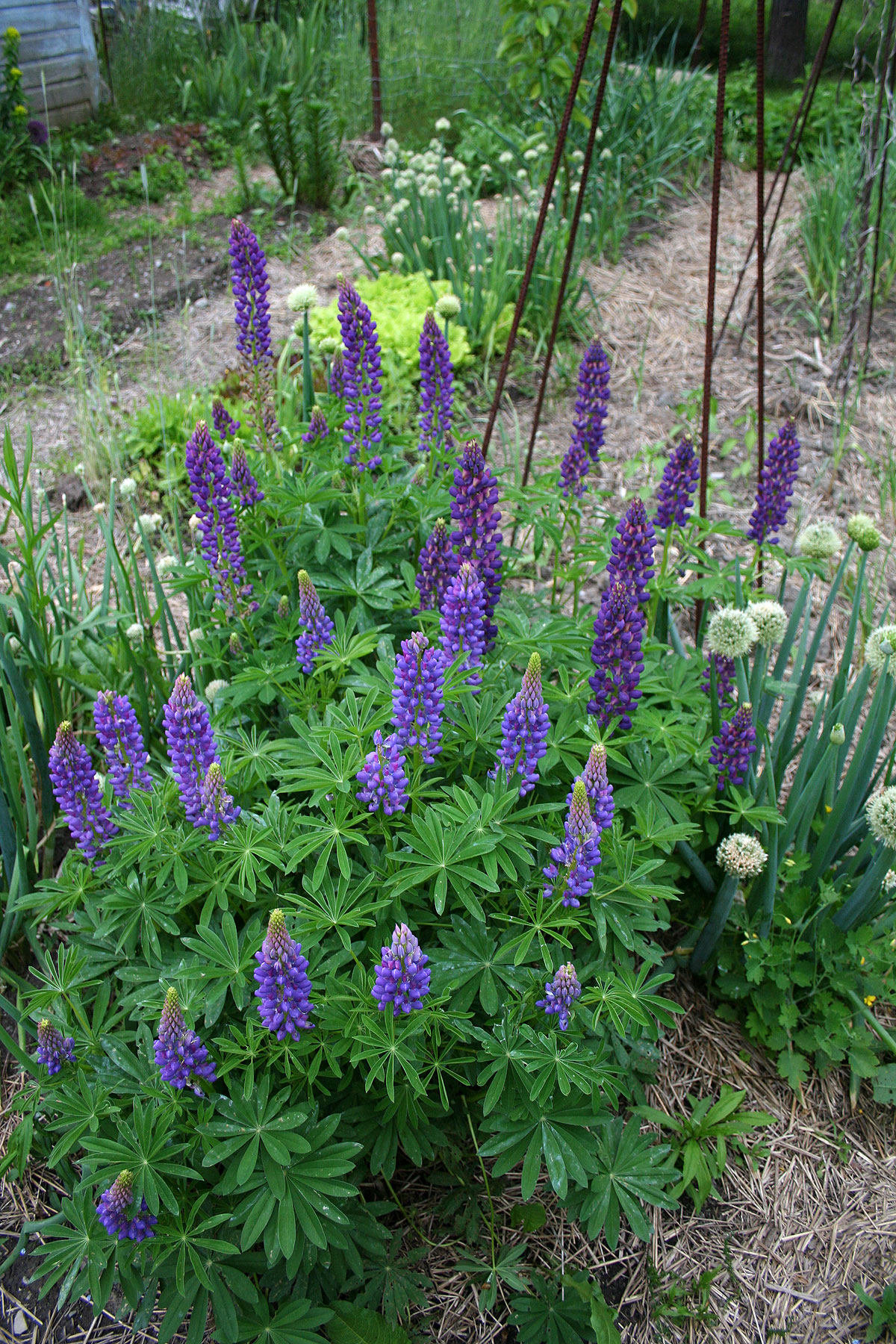
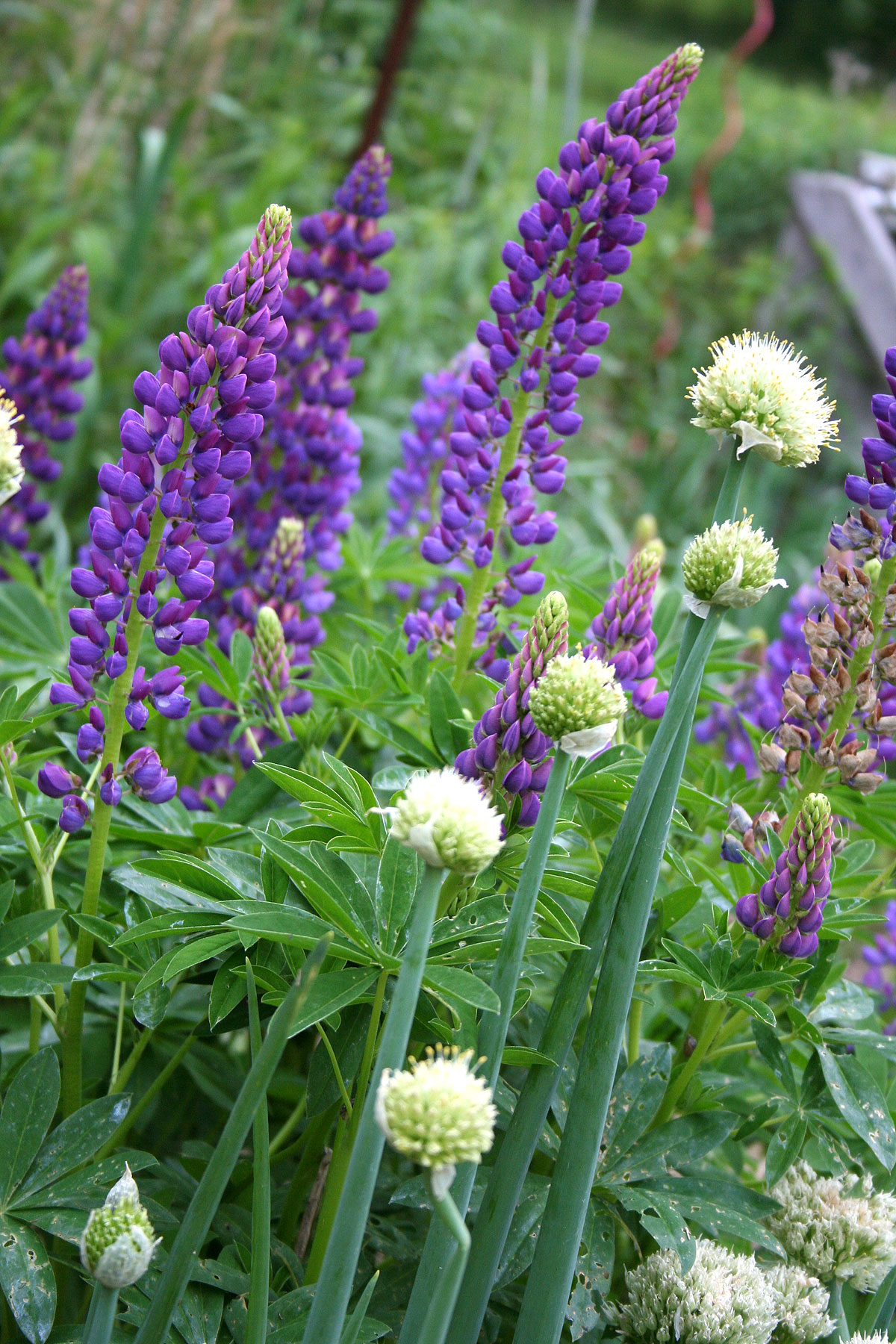
Lupines and bunching onions in the veggie garden. (No I don’t eat the lupines. They’re joost for pretty.)
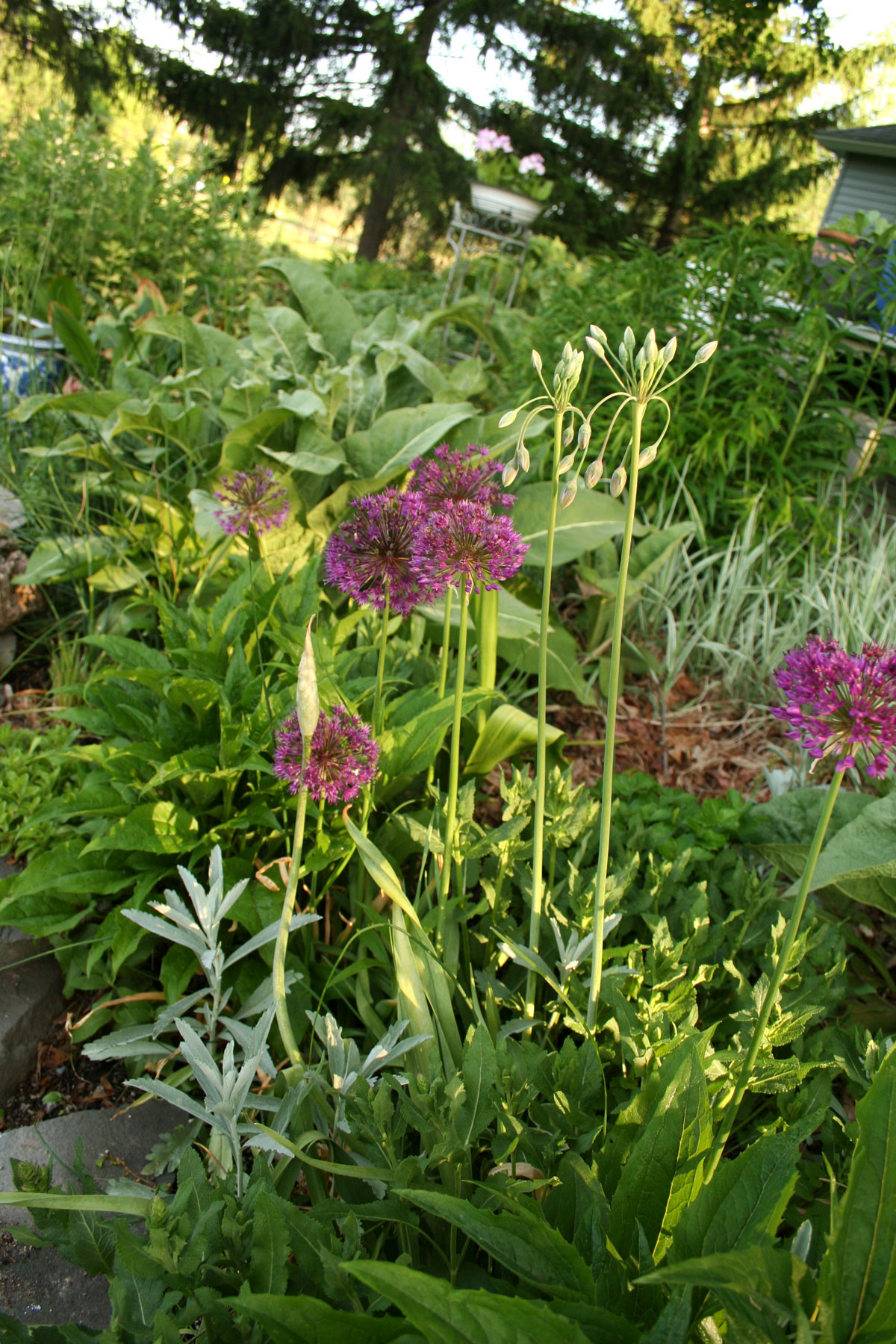
South bed, morning light.
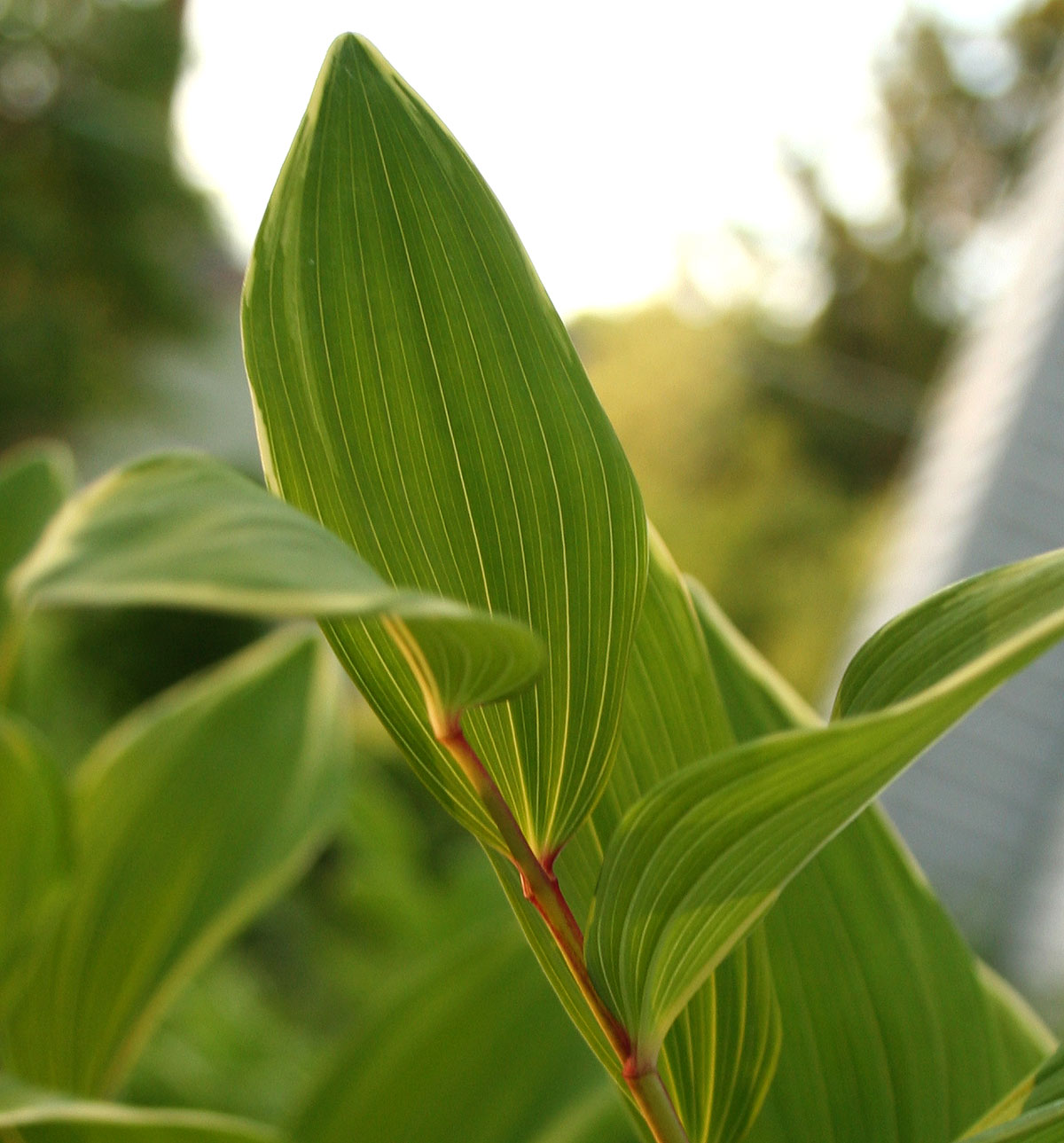
Variegated Solomon’s seal, evening light.
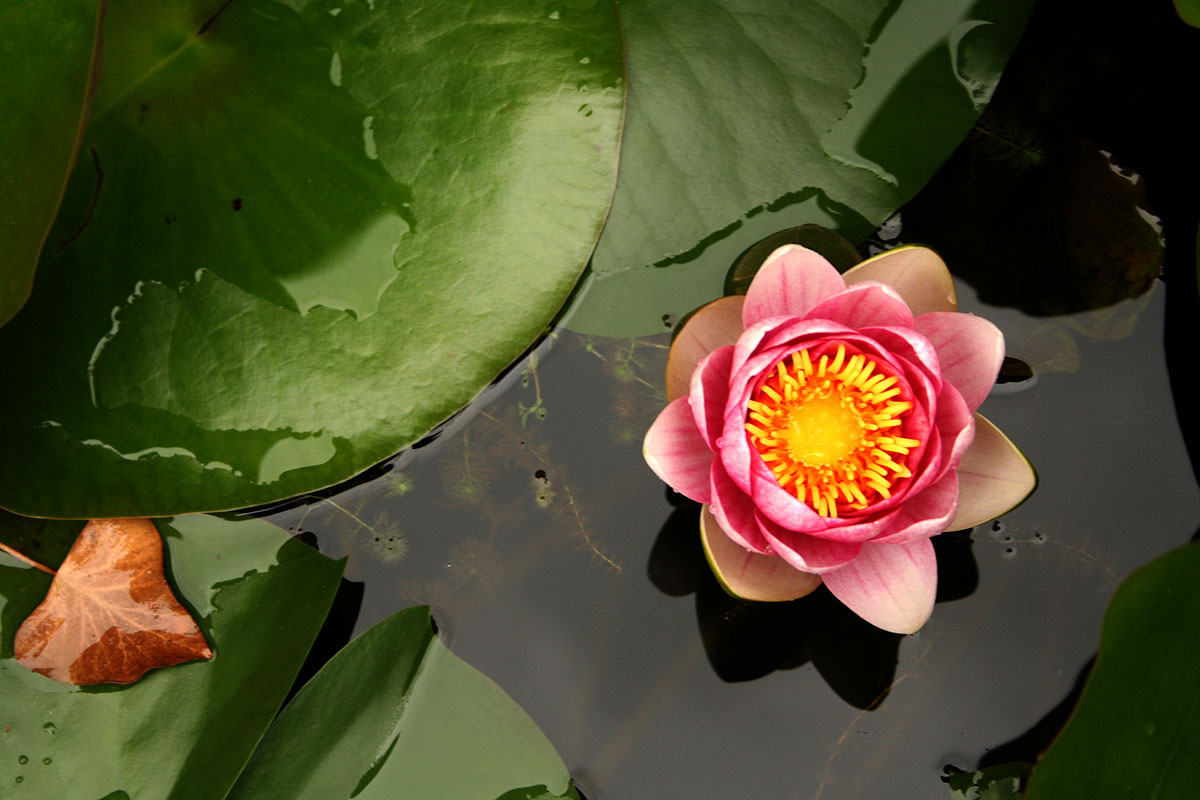
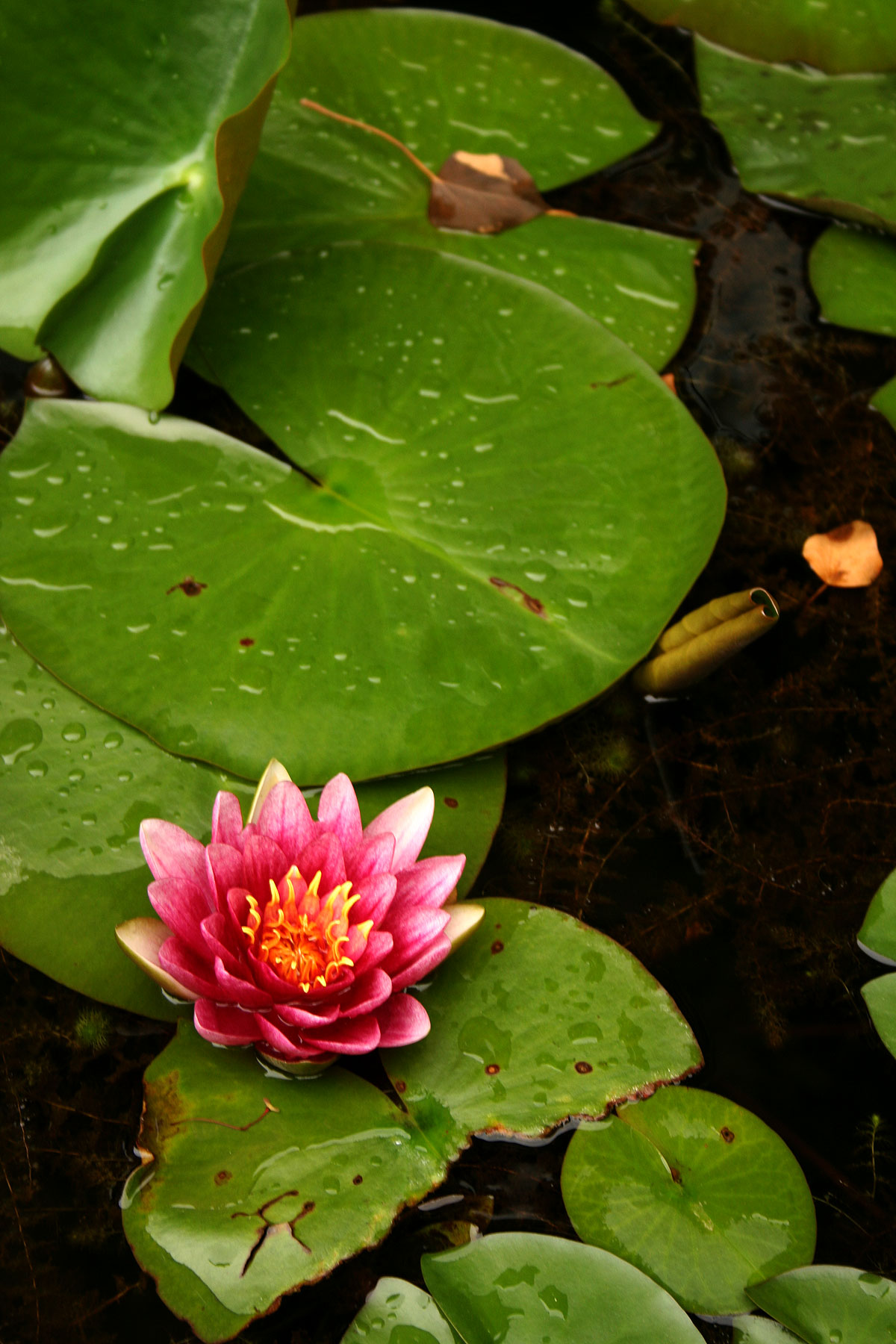
Water lilly, Secret Garden outside Plant Sciences
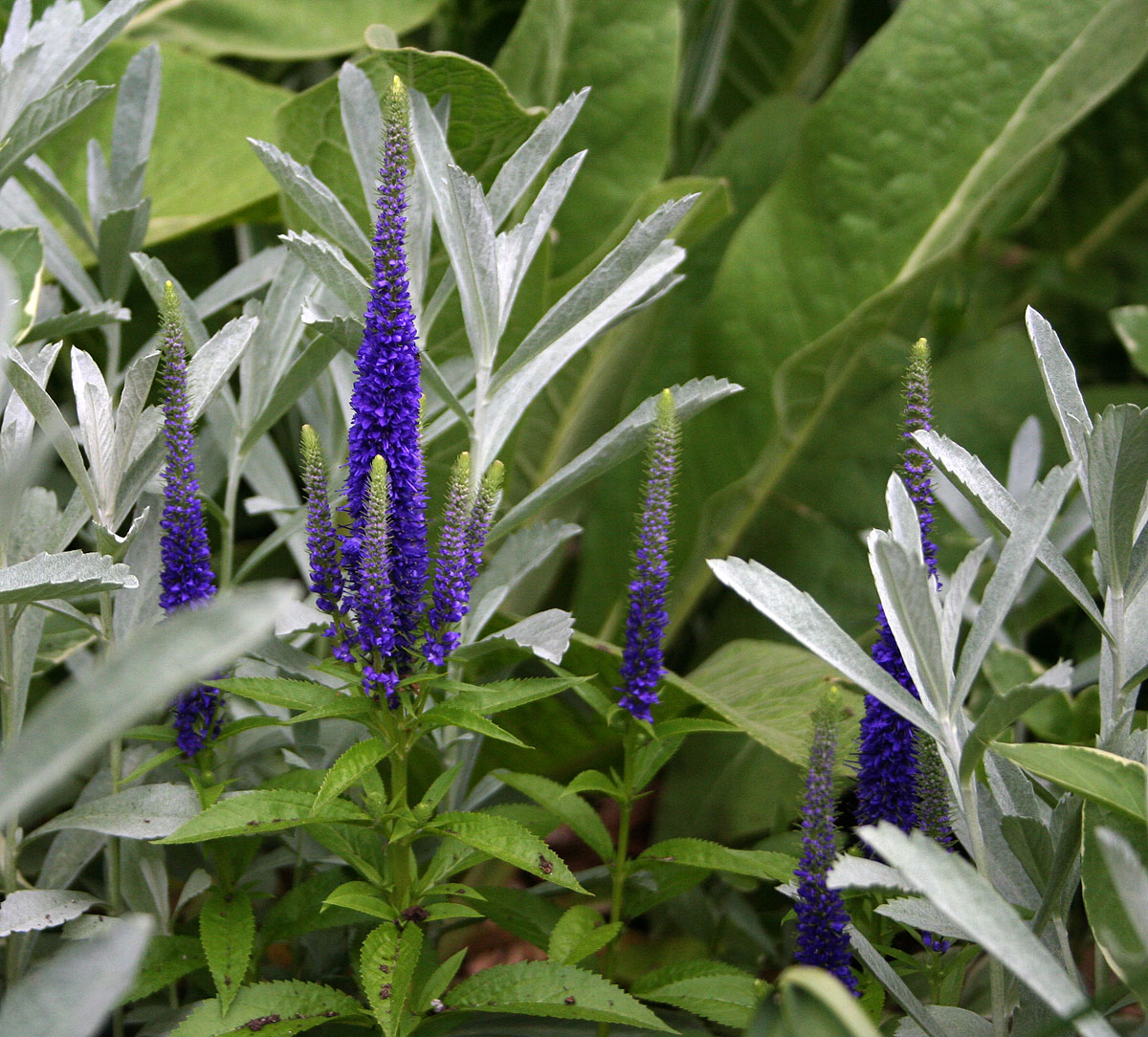
Veronica ‘Royal Candles’, artemisia, verbascum.
Fast becoming one of my favorites as it spreads politely (so far). And I don’t like orange. As with Nectaroscordum siculum ssp. bulgaricum (pix coming later this week), it’s the range of colors in a single plant that amazes.
The usual moving closer series …